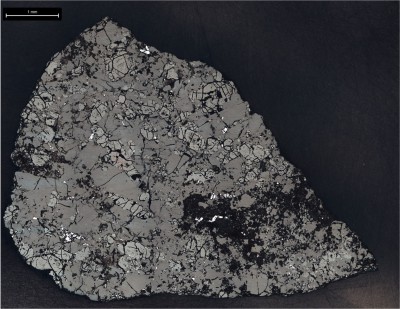
A Mars meteorite records ancient water, but its exact home is still unknown
Teghaza 001 preserves evidence of alteration about 4.1 billion years ago. Dating its grains does not locate its source crater or detect life.
Teghaza 001 preserves evidence of alteration about 4.1 billion years ago. Dating its grains does not locate its source crater or detect life.
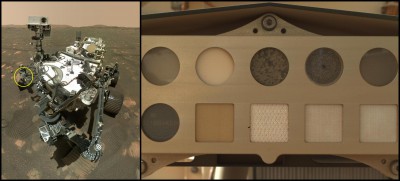
Years of observations reveal persistent fine particles on calibration samples. The findings inform contamination control, not a measured astronaut exposure limit.
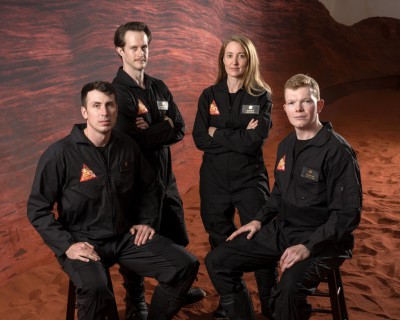
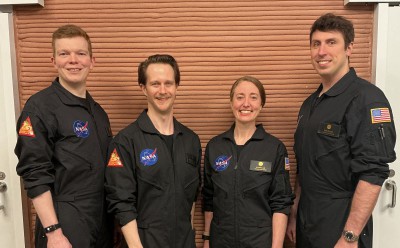
The October 31 exit ends a long test of isolation, workload and communications. An Earth-based analogue answers selected questions, not every Mars problem.
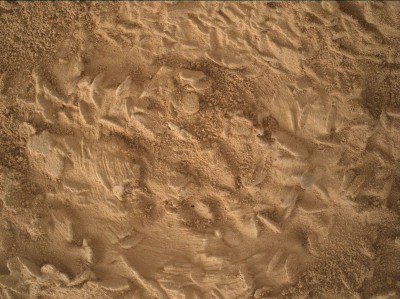
Newly published drilling preparations combine close-up 3D imaging with deeper laser measurements. The textures are geological clues, not evidence of life.
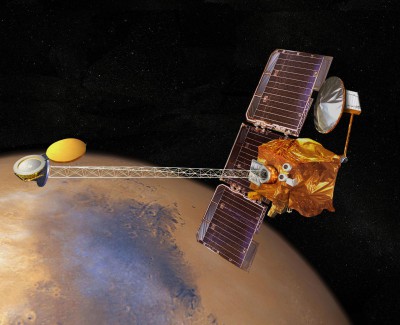
NASA’s veteran orbiter built a thermal record of Mars and helps surface missions send their discoveries home. Longevity has become part of the infrastructure.
CHAPEA’s second crew is nearing the end of a 378-day mission in Houston. Communication delays turn ordinary maintenance and medical questions into autonomy research.
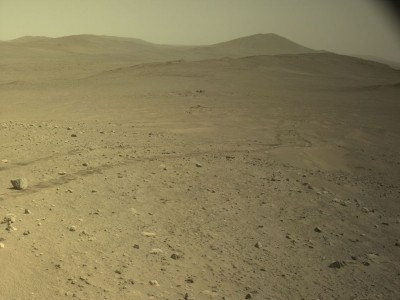
NASA’s new engineering account connects a 45.22-kilometre milestone with science stops, autonomous navigation and a reused helicopter processor.
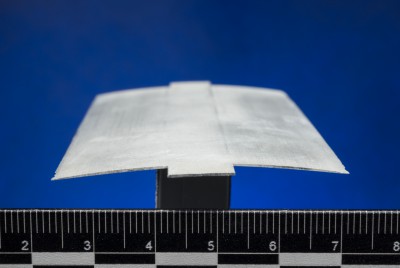
Wind-tunnel tests and simulations favor a Mars-specific airfoil. The long-range figures describe future designs, not a flight already achieved.
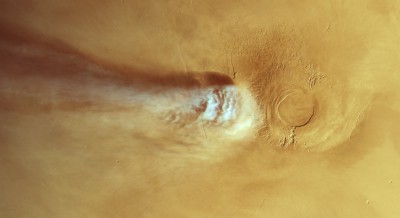
An October study reproduces the Arsia Mons cloud by allowing ice to form without dust nuclei. The images and the model provide different kinds of evidence.