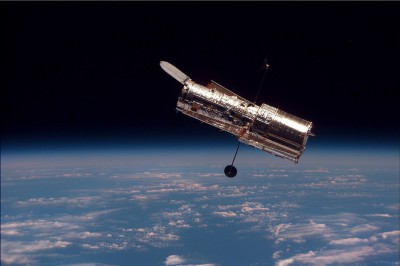
NASA asks industry how to extend Hubble’s life—and end it safely
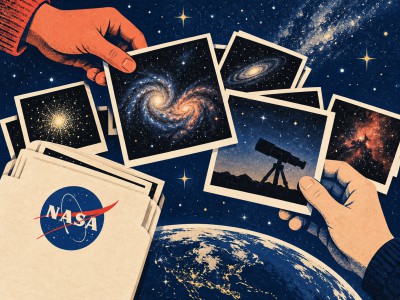
A request for information explores reboost, servicing and controlled disposal. No commercial mission has been selected.
A request for information explores reboost, servicing and controlled disposal. No commercial mission has been selected.
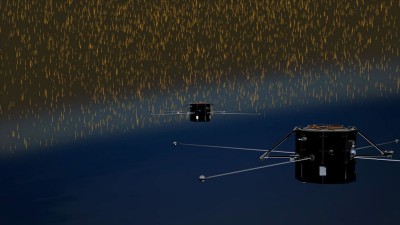
Two spacecraft help resolve an ambiguity a single moving observer cannot easily untangle in magnetic reconnection.
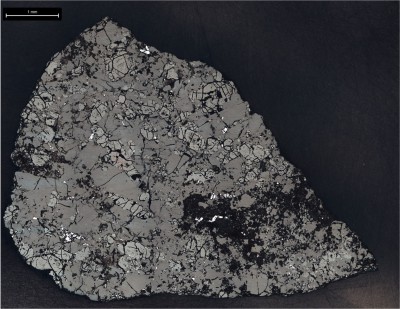
Teghaza 001 preserves evidence of alteration about 4.1 billion years ago. Dating its grains does not locate its source crater or detect life.
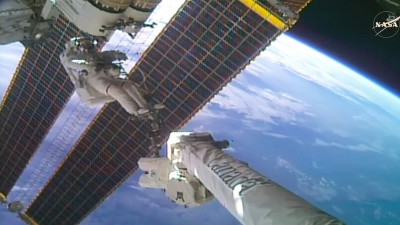
The completed spacewalk adds power on channel 2A; the final roll-out array is planned for November 5.
A coordinated hardware switch extends instrument time. A separate October interruption ended before ground commands were sent.
Overlap Zoo uses backlit galaxies to study dust. Other selected proposals still need development, data or location-specific equipment.
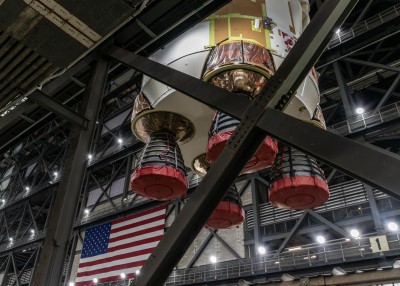
NASA’s assembly images lead toward a core-stage tanking exercise. The mission described by the agency tests docking before later lunar landings.
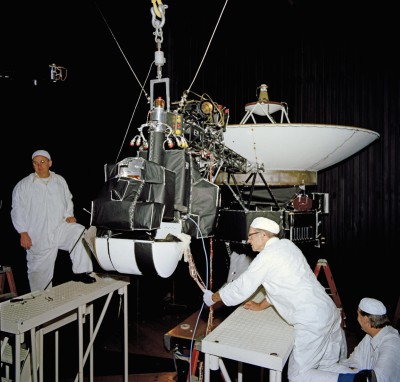
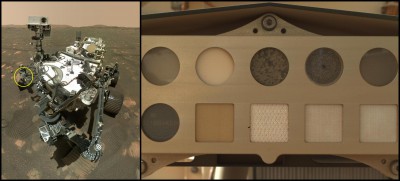
Years of observations reveal persistent fine particles on calibration samples. The findings inform contamination control, not a measured astronaut exposure limit.
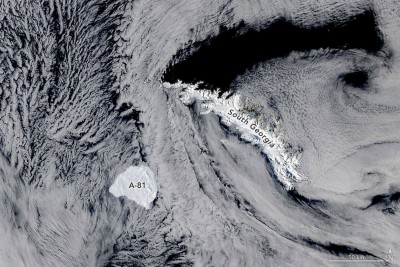
A new satellite account follows the berg’s route from the Brunt Ice Shelf. Slower movement is not yet proof of permanent grounding.