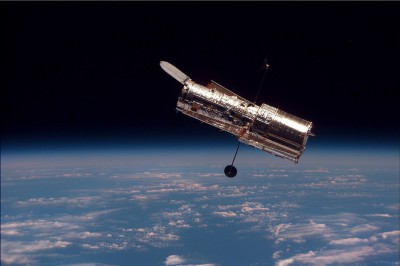
NASA asks industry how to extend Hubble’s life—and end it safely
A request for information explores reboost, servicing and controlled disposal. No commercial mission has been selected.
A request for information explores reboost, servicing and controlled disposal. No commercial mission has been selected.
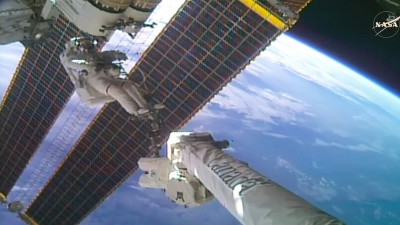
The completed spacewalk adds power on channel 2A; the final roll-out array is planned for November 5.
A coordinated hardware switch extends instrument time. A separate October interruption ended before ground commands were sent.
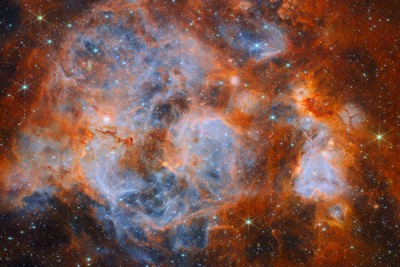
Infrared colours separate ionized gas, molecules and dense filaments. The nearby galaxy offers a comparison with less chemically enriched conditions.
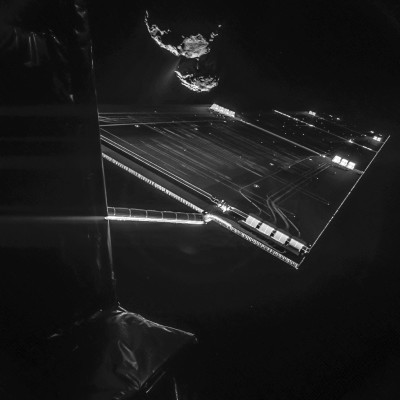
Philae took the 2014 image while still attached to the orbiter. Two exposures let a spacecraft and a dim comet share the frame.
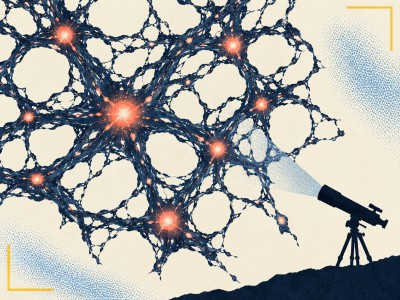
An astronomy visualization makes structure visible without photographing the particles behind it. That distinction is the useful part of the image.
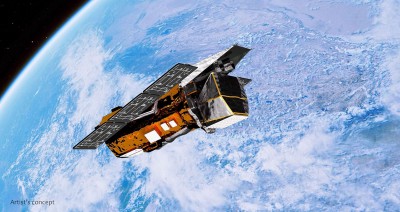
NASA’s gamma-ray-burst observatory leaves nearly 22 years of observations as atmospheric drag ends the mission. Its archive outlives the spacecraft.
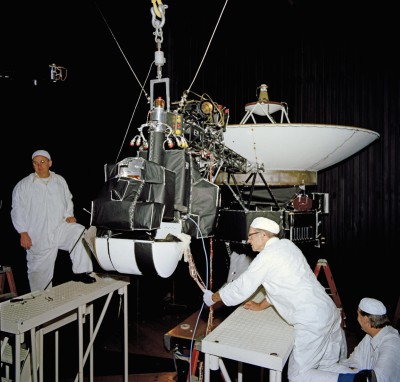
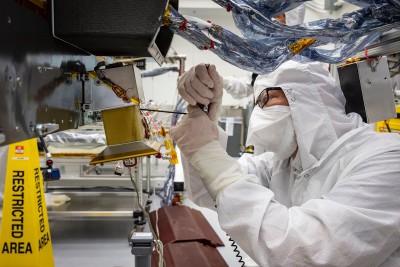
Flight-like avionics, simulated sensors and real-time imagery bring the first Titan landing sequence into a more demanding test.
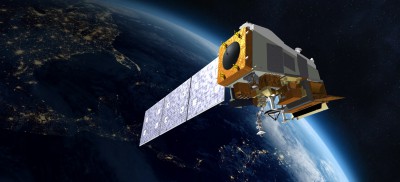
NOAA plans a December descent for the weather satellite. Its retirement shows why an end-of-life maneuver belongs in the mission design.