A year inside NASA’s simulated Mars habitat tests the wait for an answer
CHAPEA’s second crew is nearing the end of a 378-day mission in Houston. Communication delays turn ordinary maintenance and medical questions into autonomy research.
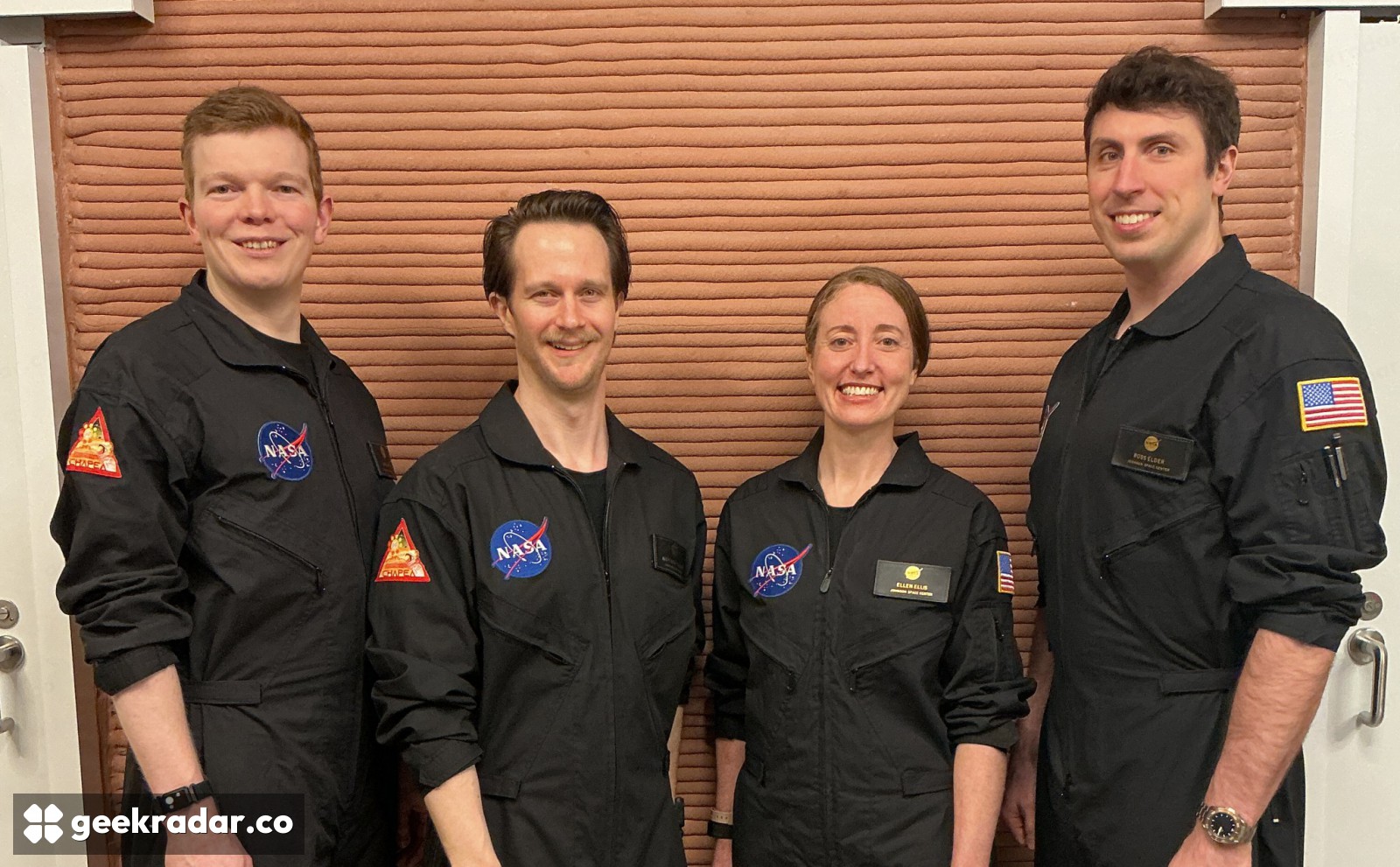
Four people have spent a year inside NASA's simulated Mars habitat in Houston, working under constraints designed to make ordinary tasks less ordinary. The second CHAPEA crew entered on October 19, 2025, and is scheduled to leave on October 31 after a 378-day mission. They have not traveled to Mars. The point is to study what happens when a crew cannot treat Earth as an immediately available help desk.
NASA's one-year report describes limited resources, crop growing, simulated surface work and delayed communications. Those constraints make the habitat a research instrument, rather than merely a place where people agree to stay indoors for a long time.
Delay changes the shape of a conversation
When a reply cannot arrive quickly, a question needs more context before it is sent. A maintenance problem that might normally be resolved through a rapid exchange becomes a sequence of observations, decisions and waiting. The crew needs to act on incomplete information without turning every small uncertainty into a halt.
NASA says the analog includes communication delays of up to 45 minutes each way. That is a feature of the experiment as described, not a claim that every Earth–Mars radio signal always takes that long. The important operational issue is the loss of immediate back-and-forth support.
That limitation is a reason to define the experiment carefully, not to dismiss it. Different research settings answer different questions. A ground-based habitat can observe routines over many months while controlling constraints that would be difficult to separate during an actual flight.
The habitat is a working environment
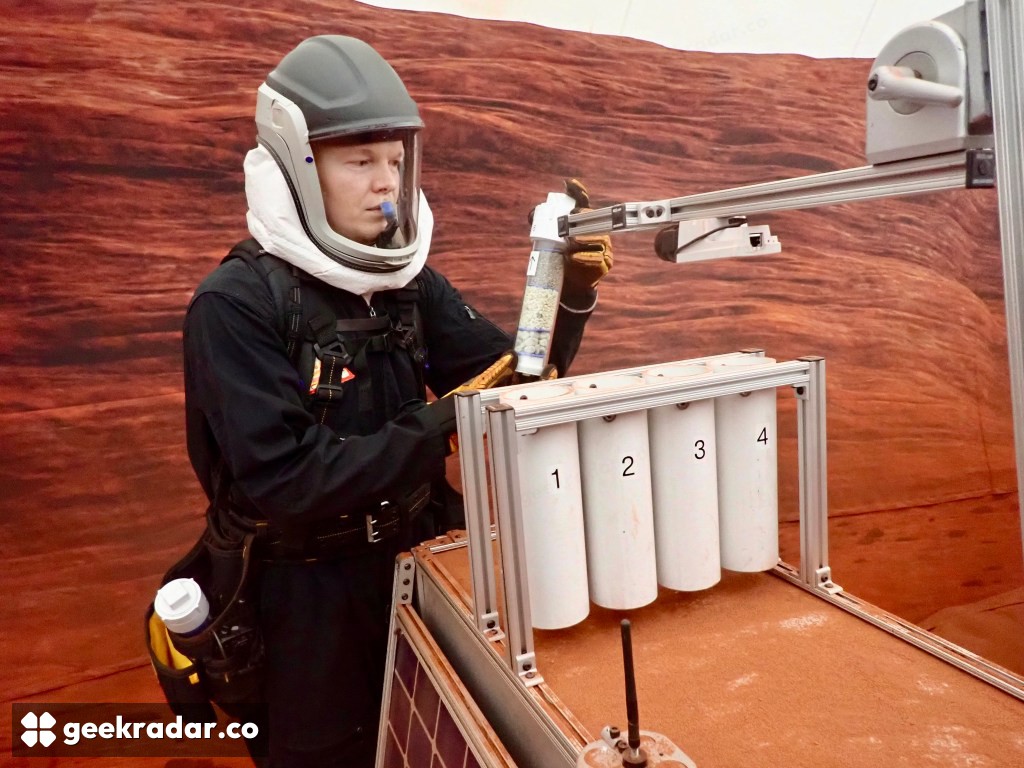
The CHAPEA habitat provides living and working space and an area for simulated surface activities. The crew's tasks include maintaining systems and managing the supplies available to them. The useful evidence lies in how those demands interact over time, rather than in one spectacular simulated emergency.
A work plan that looks manageable for a week can create different pressures after months. Exercise, food preparation, maintenance and scientific work all compete for time. Delayed outside assistance adds another dependency to that schedule. Studying the combined load can help researchers understand what support systems need to do before a real crew relies on them far from home.
The Mission 2 overview places the exercise within NASA's human-performance research. It is not a demonstration that a specific Mars mission is ready to launch, nor proof that four participants represent every future crew. The results must be interpreted within the experiment's design.
Leaving the habitat does not end the measurement
NASA plans post-mission evaluations and debriefs after the crew exits. Those sessions matter because the operational record alone cannot explain every decision or adaptation. Researchers need to connect what happened with the participants' accounts and the physiological and performance measures collected.
Our coverage of Mars exploration often concerns machines working without nearby human help, including Perseverance's long-distance driving. CHAPEA examines a different part of that separation: how people organize life and work when assistance is available, but conversation has a delay.
The most consequential technology in a future habitat may not be the most dramatic object in the room. It could be a procedure, diagnostic tool or supply arrangement that lets a tired crew solve the next ordinary problem without waiting for Earth to tell them what to do.