NASA’s POWER data links weather to the decisions behind an energy system
A Virginia partnership connects Earth observations with planning. Cooling-degree maps are useful evidence, but they are not a forecast of an electricity bill.
A Virginia partnership connects Earth observations with planning. Cooling-degree maps are useful evidence, but they are not a forecast of an electricity bill.
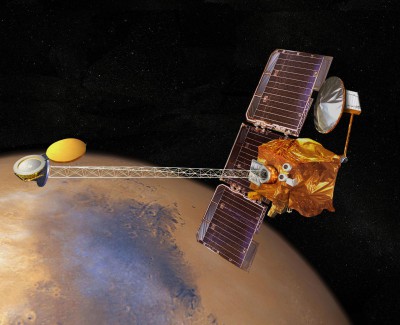
NASA’s veteran orbiter built a thermal record of Mars and helps surface missions send their discoveries home. Longevity has become part of the infrastructure.
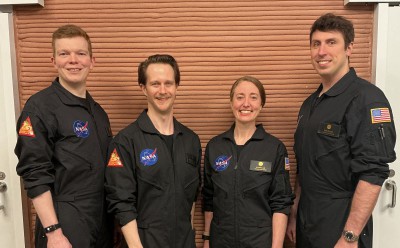
CHAPEA’s second crew is nearing the end of a 378-day mission in Houston. Communication delays turn ordinary maintenance and medical questions into autonomy research.
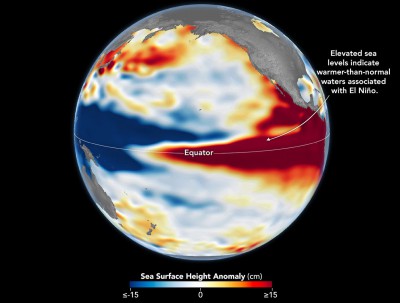
Satellite sea-height measurements reveal a striking similarity across decades. They are evidence of ocean conditions, not a local winter forecast.
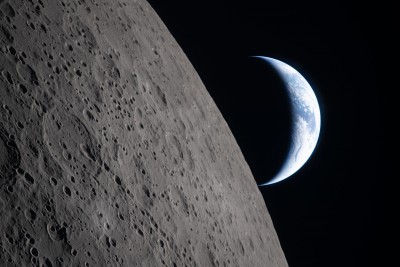
NASA will discuss Artemis III and its 2028 lunar-landing goal. The next crewed mission is a systems test in low Earth orbit, with ESA astronaut Luca Parmitano aboard.
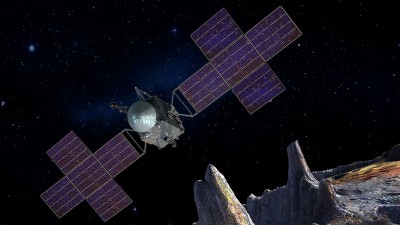
NASA’s spacecraft has begun its sustained electric-propulsion leg. A tiny continuous push matters more than a spectacular burst.
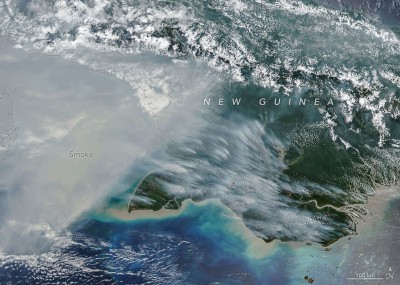
NASA’s new report combines an October 11 satellite view with dated emissions estimates. The dates, geography and units explain what the evidence can show.
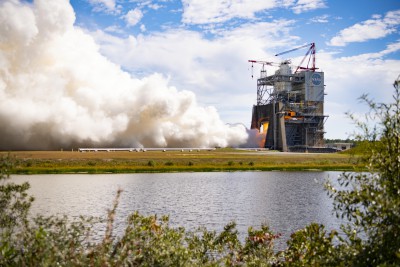
Development engine 10001 ran at Stennis for a flight-length firing. Duration and operating margin explain more than the plume alone.
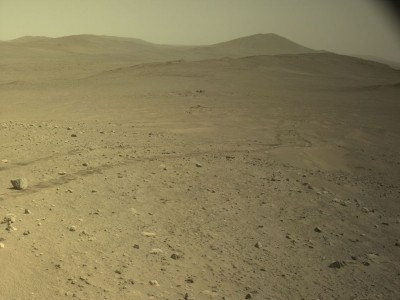
NASA’s new engineering account connects a 45.22-kilometre milestone with science stops, autonomous navigation and a reused helicopter processor.