NASA’s October 23 Artemis briefing: the orbit test comes before the landing
NASA will discuss Artemis III and its 2028 lunar-landing goal. The next crewed mission is a systems test in low Earth orbit, with ESA astronaut Luca Parmitano aboard.
NASA’s October 23 Artemis briefing will be easier to follow if one distinction is kept in view: Artemis III is currently planned as a crewed test in low Earth orbit, rather than a lunar landing. The agency says the update will cover that mission and progress toward returning astronauts to the Moon’s surface by 2028.
The official briefing advisory schedules the event for 2 p.m. EDT at Kennedy Space Center in Florida. That is 18:00 UTC and 20:00 CEST in Italy on Friday, October 23. NASA directs viewers to its live coverage page. The advisory establishes the agenda and timing; it does not preannounce a revised launch date or the decisions officials may describe.
The next mission has a different job
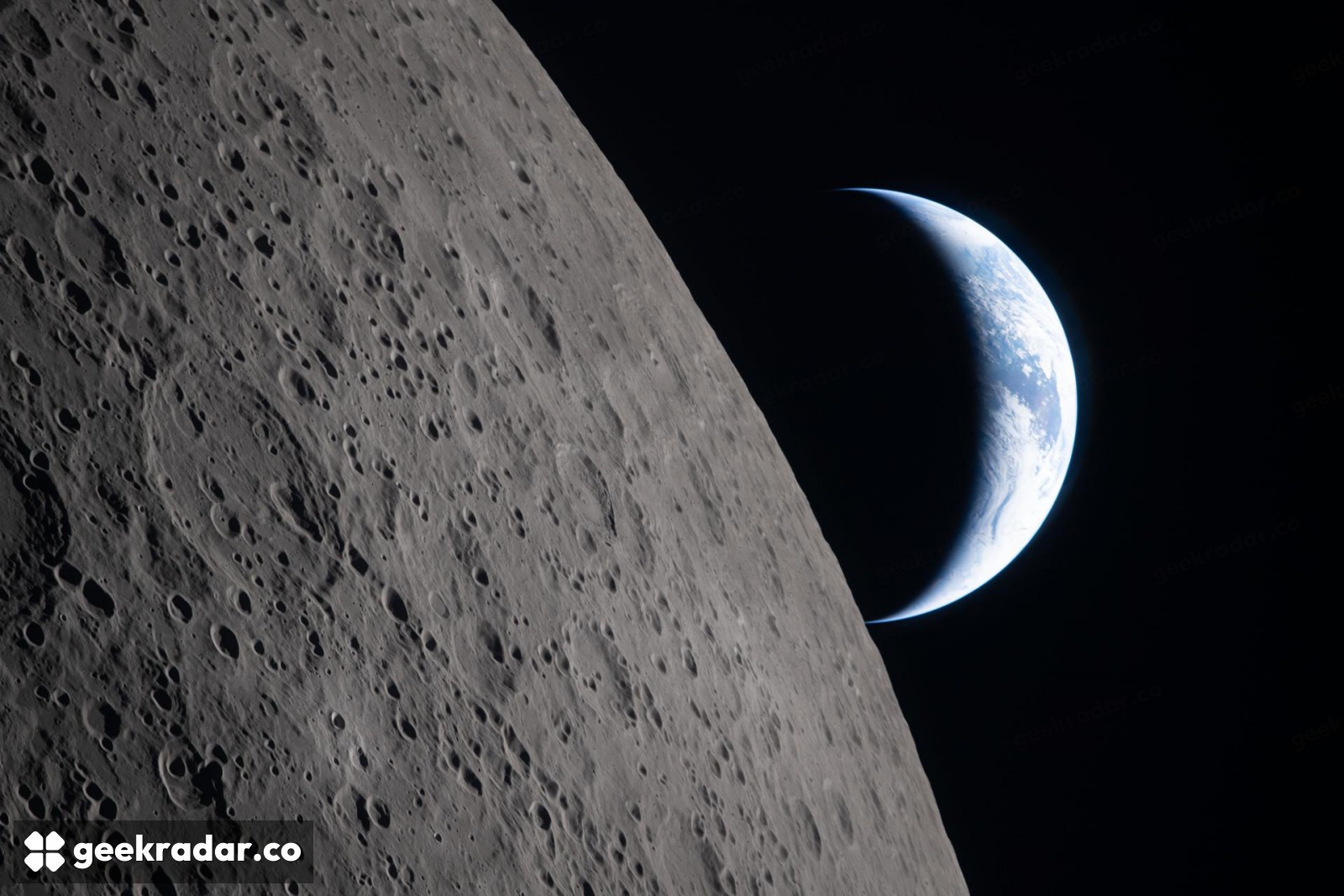
Artemis II carried astronauts around the Moon earlier this year. NASA’s current plan gives Artemis III a different purpose: testing systems and operations closer to Earth before the later landing attempt. The agency describes rendezvous with human-lander test articles from Blue Origin and SpaceX, with four crew members including ESA astronaut Luca Parmitano.
That makes the mission directly relevant to European and Italian space coverage. Parmitano’s place in the crew is one connection; Europe’s work on Orion is another. NASA’s October hardware update describes ESA and Airbus inspections of the service module’s solar-array wings. The module supplies propulsion, thermal control, electrical power, air and water. These are operational dependencies, rather than ceremonial participation.
Hardware progress is not a launch clearance
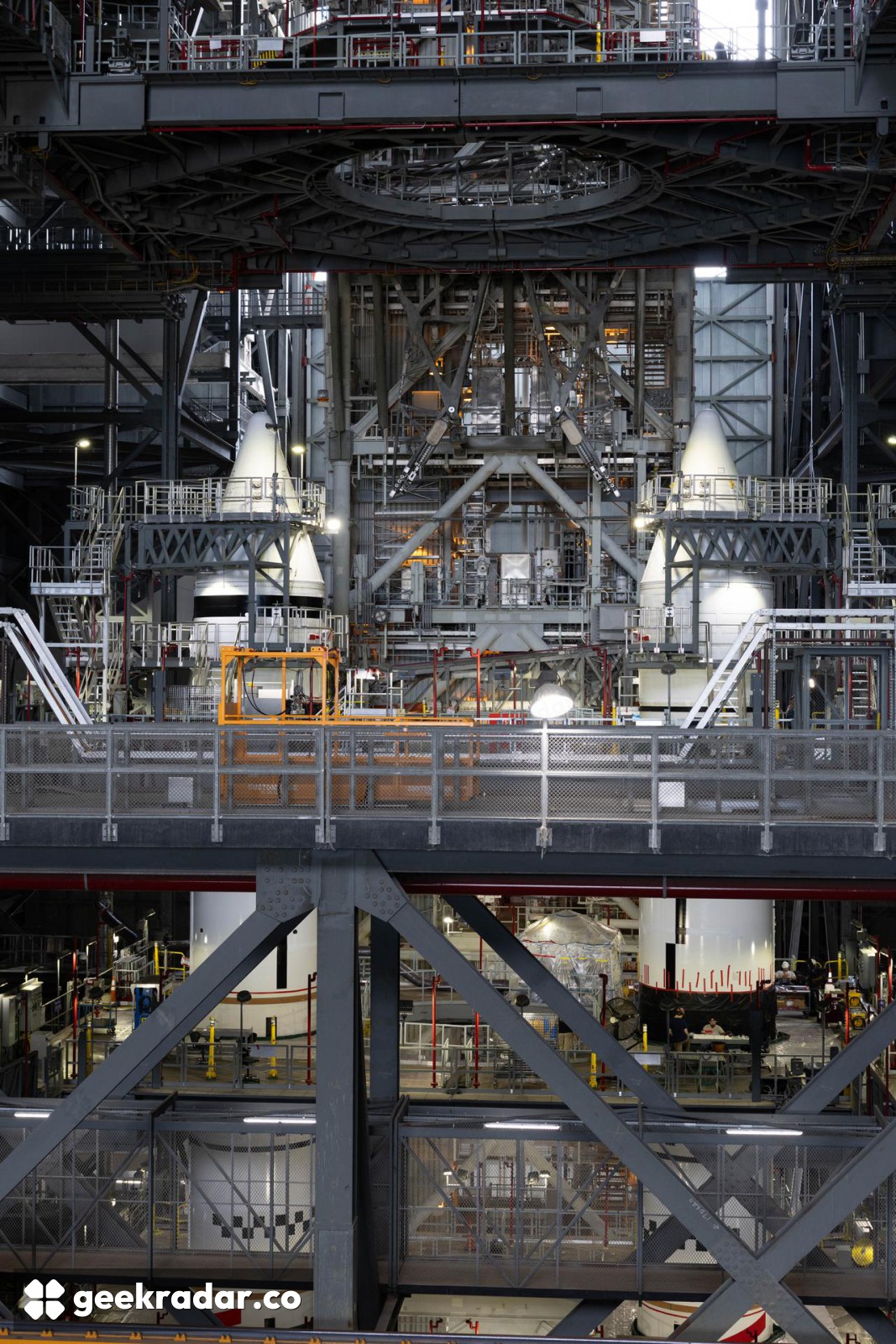
The same update reports completed booster-stacking work and installation of the core stage’s four RS-25 engines. It also lays out work still ahead, including assembling the short-stack configuration and conducting a tanking test. A completed component, an integrated vehicle and a rehearsed launch operation mark different levels of readiness.
That distinction is useful when listening to schedule announcements. A photograph of assembled hardware is evidence of assembly. It cannot, by itself, establish that the remaining tests are complete or that a launch date is guaranteed. The sequence matters because each stage can expose issues that the previous stage could not.
NASA’s October 15 heat-shield assessment provides another example of the work behind a milestone. Engineers continued examining Artemis II’s recovered thermal-protection system months after the successful return. A safe splashdown supplied flight evidence; later inspections and material analysis helped explain how the hardware behaved.
Read the goal alongside the demonstrated capability
The 2028 lunar-return date is NASA’s stated objective. The October 23 event is an opportunity to hear how the agency connects that objective to the tests, hardware and commercial lander work still required. It should be read alongside the surface-mobility preparations already under way, while keeping those projects separate from readiness to land a crew.
The useful question is consequently more precise than whether Artemis is “on track.” Which capability has now been demonstrated, which remains planned, and which later operation depends on it? An orbital rehearsal can be a substantial step toward the Moon without being a lunar landing in disguise.