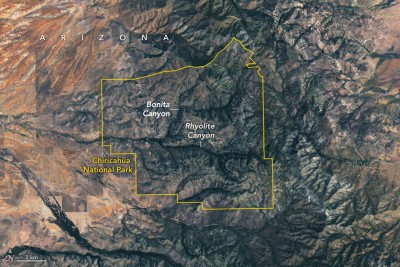
Landsat shows the volcanic framework behind America’s newest national park
The July image, published this week, reveals rock and vegetation patterns rather than individual pinnacles. Chiricahua’s protection began a century ago.
The July image, published this week, reveals rock and vegetation patterns rather than individual pinnacles. Chiricahua’s protection began a century ago.
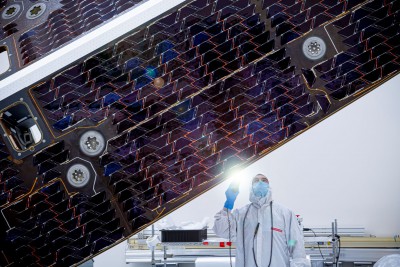
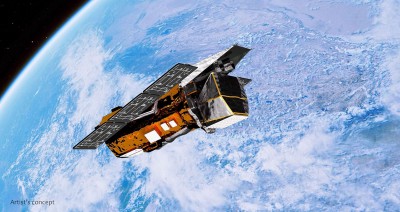
The six-metre structure combines thermal protection and power. NASA still lists launch no earlier than September 2027.
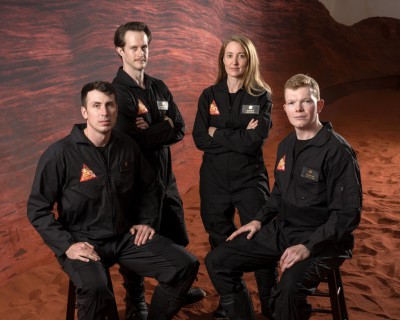
The October 31 exit ends a long test of isolation, workload and communications. An Earth-based analogue answers selected questions, not every Mars problem.
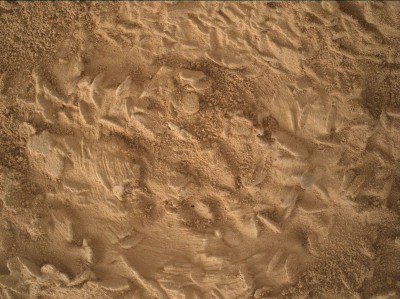
Newly published drilling preparations combine close-up 3D imaging with deeper laser measurements. The textures are geological clues, not evidence of life.
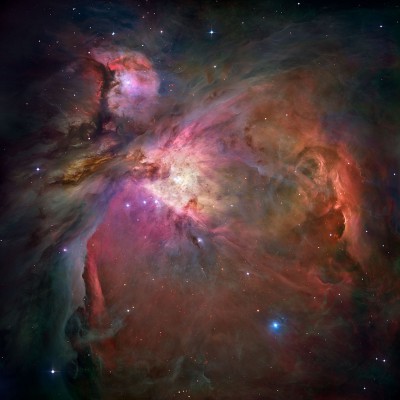
Hubble’s archival mosaic shows a stellar nursery shaped by ultraviolet light. Brightness, color and structure each tell a different part of the story.
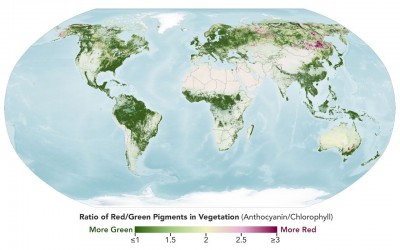
NASA’s hyperspectral maps distinguish a pigment ratio from an ordinary photograph. Ground observations help explain what the signal means.
NASA’s gamma-ray-burst observatory leaves nearly 22 years of observations as atmospheric drag ends the mission. Its archive outlives the spacecraft.
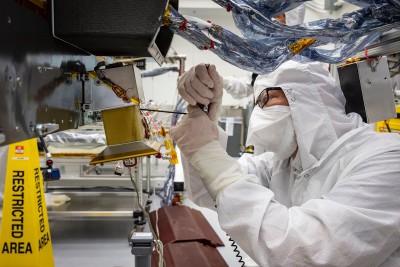
Flight-like avionics, simulated sensors and real-time imagery bring the first Titan landing sequence into a more demanding test.
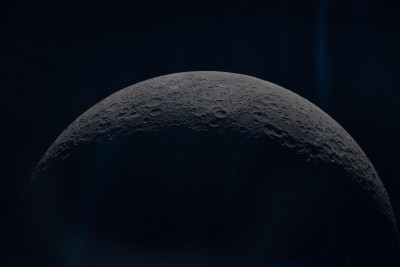
The 2028 target now rests on two distinct chains of refuelling, transfer stages and rendezvous. Neither provider has the first landing assigned.