Swift has stopped observing. Its greatest instrument was the ability to turn quickly
NASA’s gamma-ray-burst observatory leaves nearly 22 years of observations as atmospheric drag ends the mission. Its archive outlives the spacecraft.
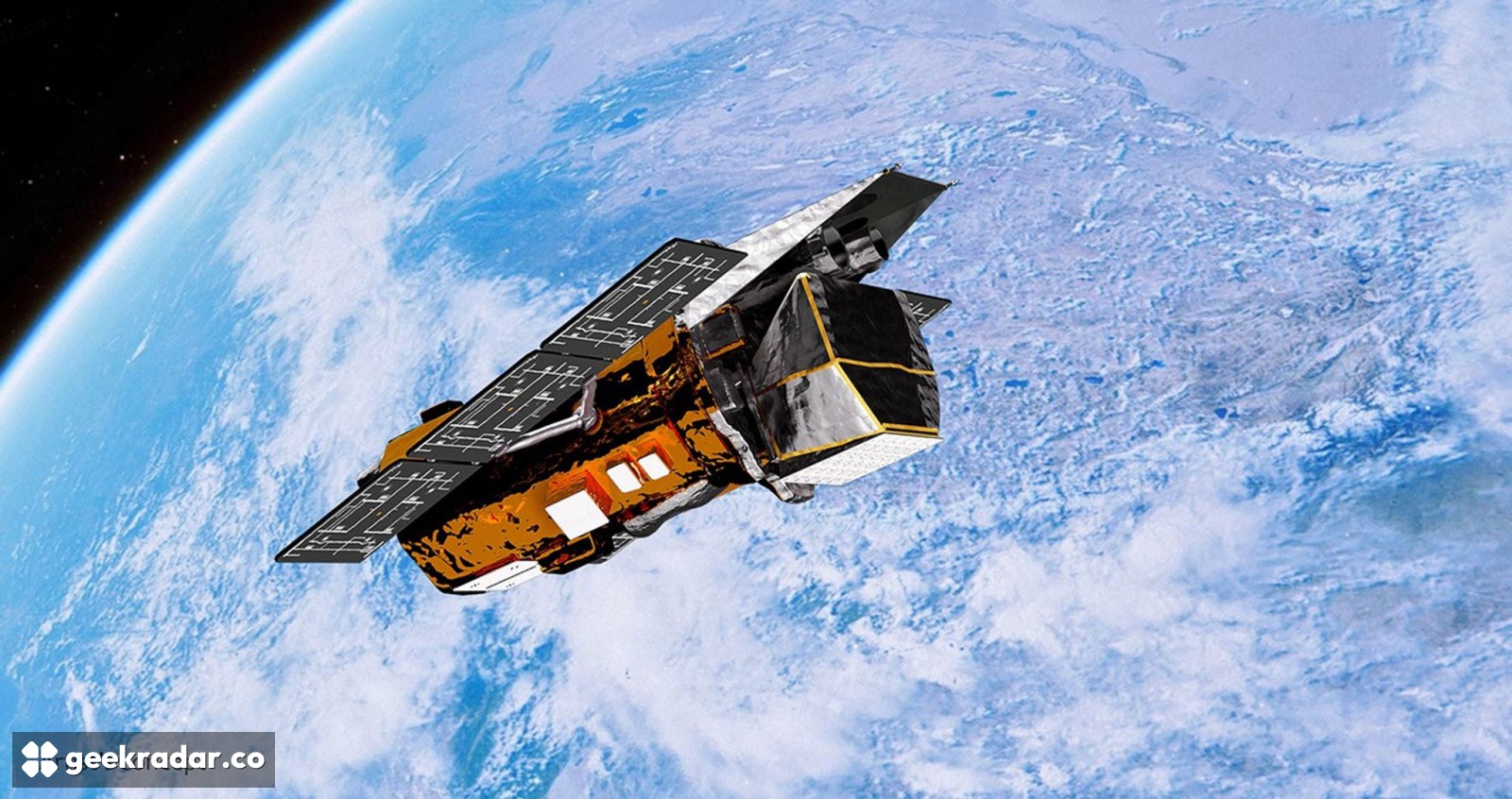
NASA's Neil Gehrels Swift Observatory has finished its science mission because its orbit has become too low for steady astronomical observations. Its final observation took place on October 20. In an announcement published October 23 and updated October 26, NASA says atmospheric drag below roughly 275 kilometres prevents the telescopes from maintaining the pointing they need.
The distinction between the end of observing and the end of the spacecraft matters. NASA expects reentry in the following weeks; it does not give an exact time or location. The science mission has ended because the platform can no longer do its job reliably, rather than because its archive has stopped being useful.
Speed was part of the instrument
Swift was built to investigate gamma-ray bursts, brief and powerful cosmic explosions whose fading afterglows are difficult to catch. Detecting one was only the first step. The observatory had to locate it, notify other telescopes and turn its own instruments toward the source while there was still something to measure.
NASA describes that sequence as typically taking about a minute. This made reaction time part of the scientific capability. A telescope can be exquisitely sensitive and still miss a phenomenon if it points in the right direction too late.
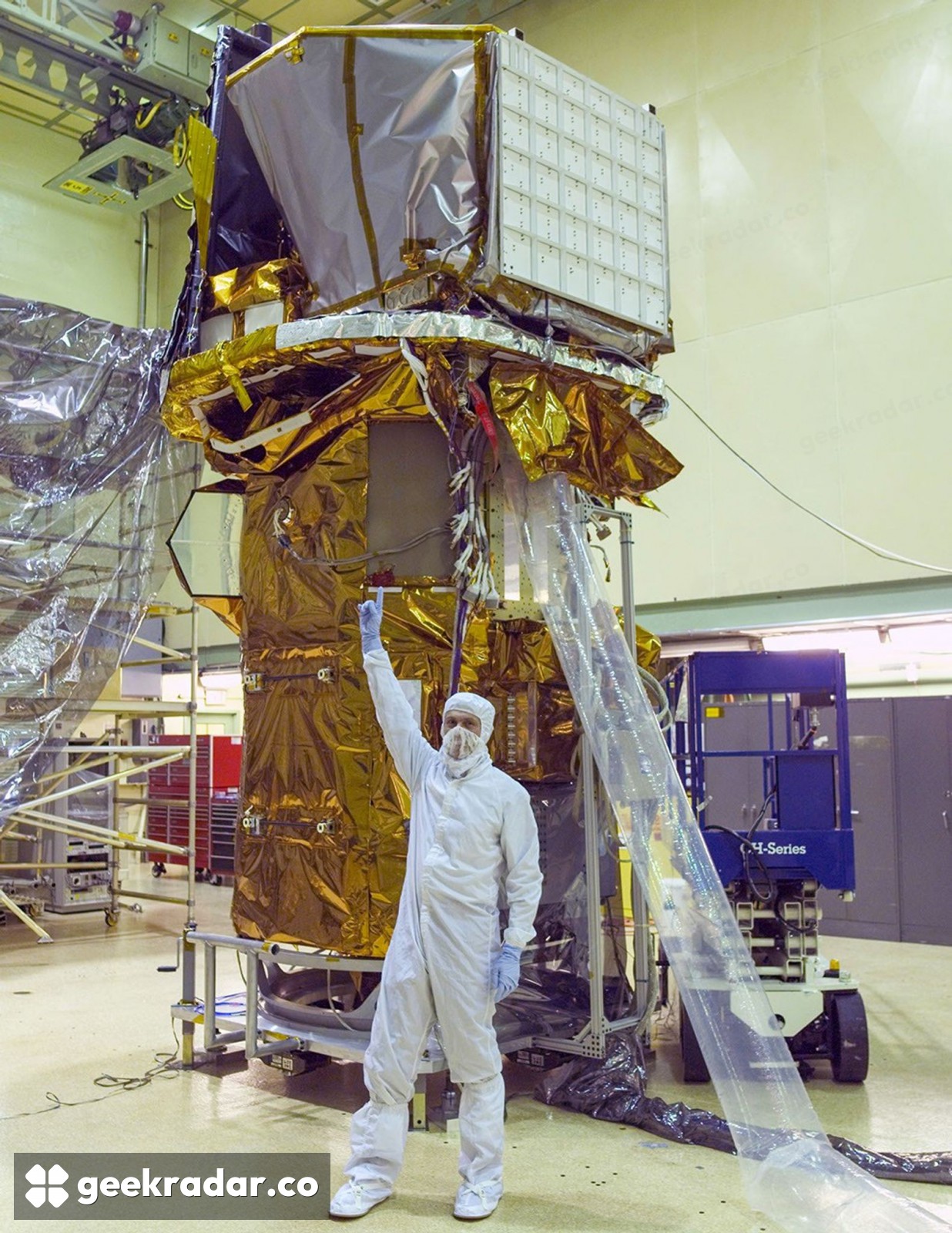
The mission combined gamma-ray detection with aligned X-ray and ultraviolet/optical instruments. Observing the same event through different parts of the spectrum helped turn an alert into a physical account of what happened. The Swift mission site explains that multiwavelength purpose and the mission's place in time-domain astronomy, the study of how the sky changes.
A short flash can leave a long record
NASA highlights Swift's 2005 detection of an afterglow from a very short gamma-ray burst. The initial event lasted only 0.03 seconds. Swift's rapid response yielded a small number of X-ray photons that nevertheless helped establish a location and connect short bursts with their astrophysical environments. The value lay in catching evidence that would otherwise have disappeared.
Over nearly 22 years, the mission observed more than 2,000 gamma-ray bursts and more than 1,400 supernovae, according to NASA. Its flexible scheduling also supported observations of many other objects. These totals describe different kinds of targets; they should not be added together as if they were a count of unique discoveries.
The archive outlives the pointing system
NASA reports roughly 12 terabytes of observations, including more than 1.5 million ultraviolet/optical images. Old measurements become useful again when a new event raises a question about how a source behaved before it changed. Long baselines are difficult to recreate precisely because time cannot be observed retrospectively.
The agency says existing missions will help cover the rapid-response gap while it examines further options. That is a plan to address lost capability, not an announcement that another telescope reproduces everything Swift did.
Swift's legacy is therefore both a collection and a way of working: detect, communicate and turn quickly enough to keep the evidence. Its telescope can no longer hold that gaze, but the sky it recorded is still available for questions nobody had thought to ask when the photons arrived.