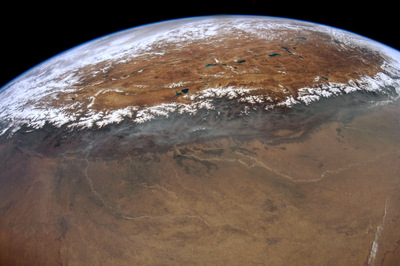
Why Everest disappears in a photo that shows 1,000 kilometres of the Himalayas
Two astronauts used 16 mm and 420 mm lenses on separate passes. A pair of valleys helps locate the summit in the closer view.
Two astronauts used 16 mm and 420 mm lenses on separate passes. A pair of valleys helps locate the summit in the closer view.
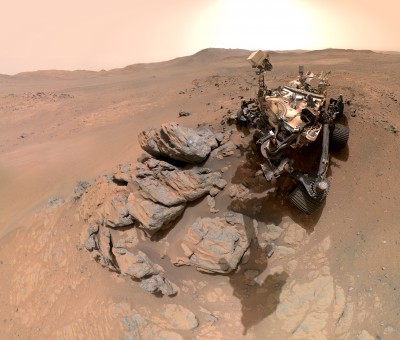
A NASA-backed project aims to spend less of a rover’s stored energy keeping its own battery warm. The company’s proposal g...
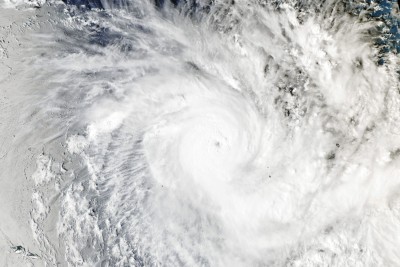
A microwave scan picked out curved rainbands beneath the high clouds. Nine and a half hours later, Aqua caught a tight whi...
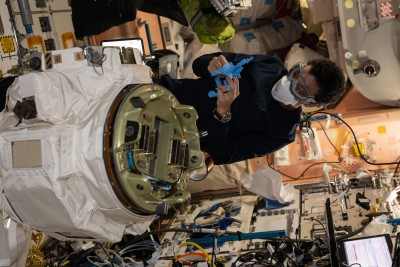
A spacewalk gave the robotic arm a spare wrist joint. The return flight gives engineers the original hardware behind a puzzling motor-current reading.
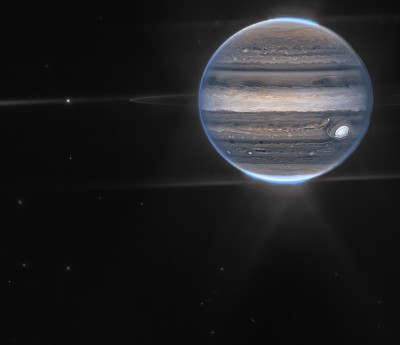
Voyager 1’s camera swayed through more than eight cycles during one exposure. Its wandering stars help explain why the planet’s thin ring looks so wide.
NASA is using the rover’s slower direct link for engineering data while both relay radios are under investigation. A separate fault aboard Mars Odyssey puts its ability to point at risk.
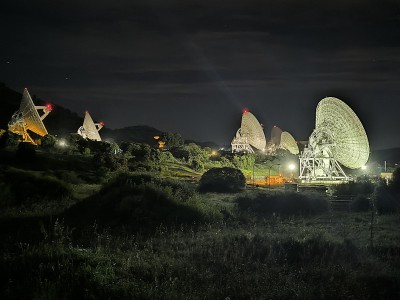
The Spanish dish was already tracking Voyager when the signal arrived. Earth’s rotation put the other two stations below the spacecraft’s line of sight.
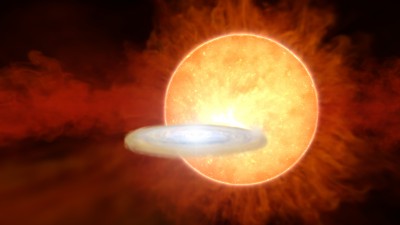
One green-channel reading gives astronomers a timestamp for a faint T Coronae Borealis. Two very different forecasts show what its brightness leaves hidden.
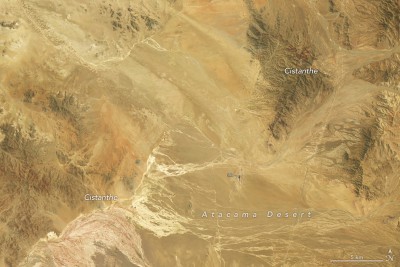
September and October views of the same Chilean hills show different flowers taking their turn. Field observations help explain the change that a satellite index alone would miss.