What a −60°C battery could buy a lunar rover
A NASA-backed project aims to spend less of a rover’s stored energy keeping its own battery warm. The company’s proposal gives two very different numbers for how much energy the hardware could carry.
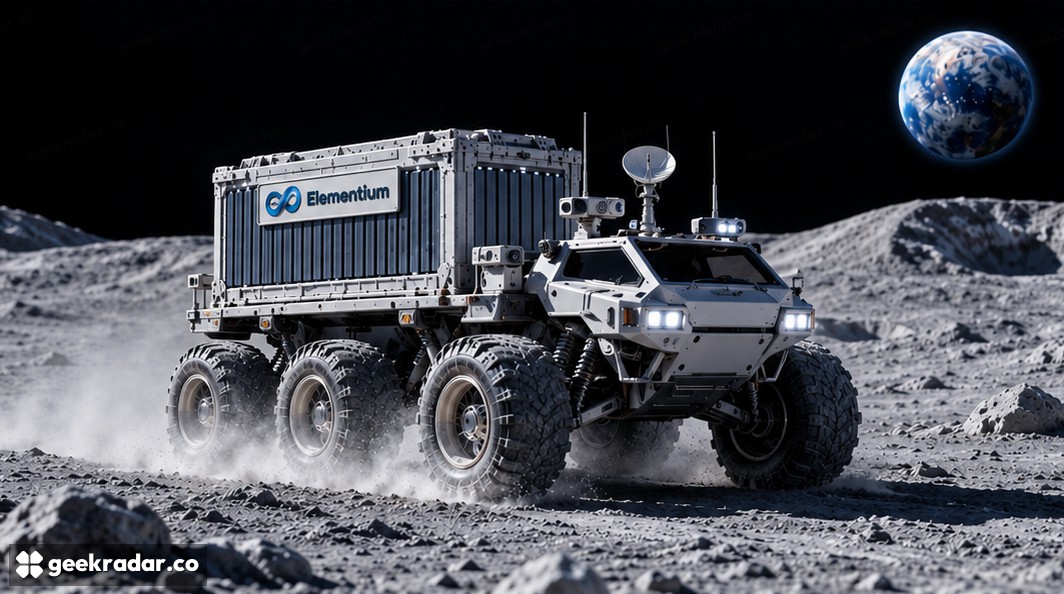
A lunar rover can spend stored electricity just keeping its battery warm enough to deliver the rest. Elementium Materials wants to cut that expense with a lithium-ion battery that the company says can charge and discharge at −60°C without an active heater. NASA highlighted the project on November 20 among 302 small-business research projects selected for up to $171 million in total funding. Elementium has a Phase I award to work out whether its chemistry makes sense in a complete battery module.
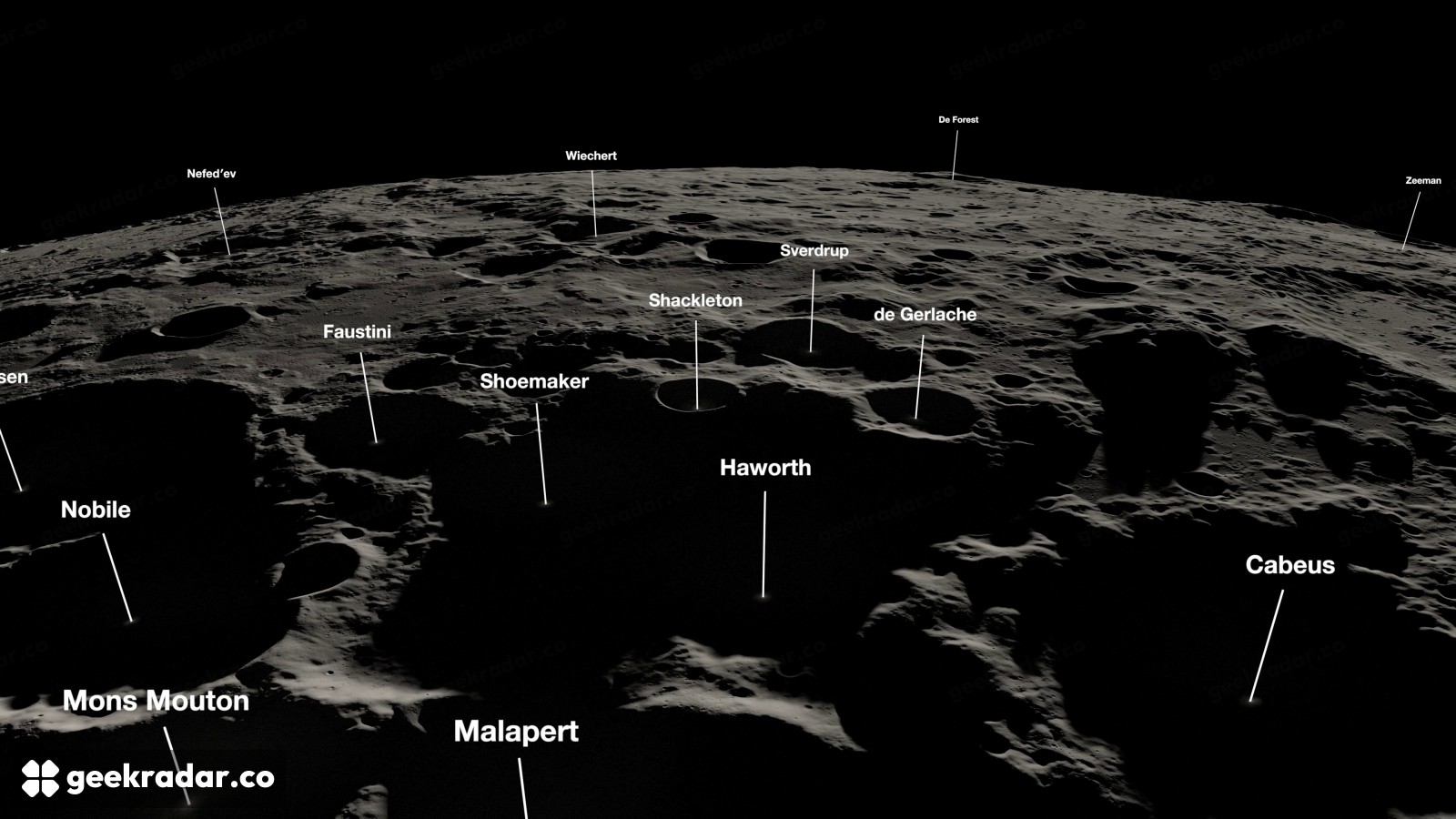
A thermometer on the Moon helps put that claim in perspective. Near the equator, the surface can fall to about −133°C after dark. In permanently shadowed polar craters, instruments have recorded temperatures below −246°C. Those are surface measurements. A cell inside an insulated rover has its own temperature, set in part by its enclosure, the equipment around it and how long it has been losing heat. Moving the cell’s working limit down gives the engineers designing that enclosure more room to manoeuvre.
Where half the energy density goes
In Elementium’s proposal abstract, the company puts the target for its pouch cells at roughly 400 watt-hours per kilogram. For the assembled module it aims to demonstrate the feasibility of exceeding 200 Wh/kg. Both numbers describe a design goal. Neither tells you how far a lunar vehicle drove on a charge.
The gap matters more to the rover designer than the larger number alone. A kilogram of cells goes into a module that also needs electrical connections, protection and a structure to hold everything together. On the Moon, the hardware that prevents the cells from getting too cold adds to that bill. Elementium is pairing a silicon-based anode and nickel-manganese-cobalt cathode with an electrolyte it calls IonPro Arctic. The electrolyte carries lithium ions between the electrodes. The company says its formulation stays usable at temperatures where conventional carbonate-based electrolytes begin to freeze and lose conductivity.
What a heater costs over two weeks
Suppose a heater draws just one watt continuously. Over 14 Earth days, roughly the length of an ordinary lunar night, that is 336 watt-hours. The arithmetic illustrates the cost of keeping something warm for a long time. An actual heater cycles, and its power demand depends on the rover and its surroundings. Elementium has yet to publish a vehicle-level energy budget in the abstract.
Getting hardware down to the surface is one part of NASA’s lunar transport plans. Keeping it useful after sunset is another. A designer could spend any heater savings on a longer listening session with a science instrument, or carry a smaller battery for the same job. The measurement that will decide between those options is how much energy a complete, cold-soaked module can still deliver to its load.