NASA’s 19 citizen-science selections include a galaxy project you can already join
Overlap Zoo uses backlit galaxies to study dust. Other selected proposals still need development, data or location-specific equipment.
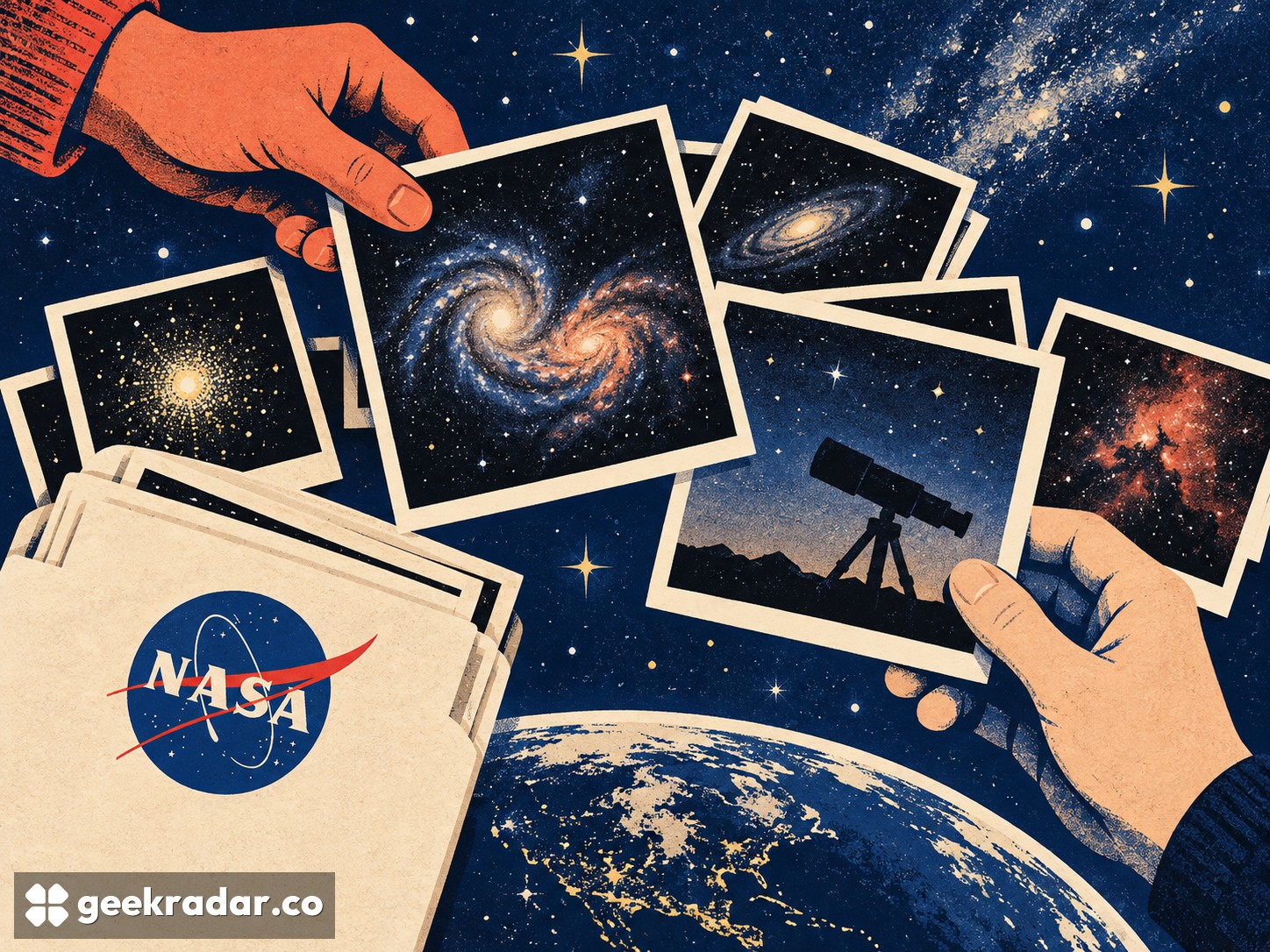
NASA has selected 19 proposals that will create or expand ways for volunteers to contribute to research. The distinction between a funded proposal and an open project matters: the announcement includes future opportunities as well as at least one activity people can already join. It is not a menu of 19 programmes all accepting participants today.
The October 28 selection announcement divides the awards between 12 Citizen Science Seed Funding proposals and seven Science Activation teams. Their subjects range from distant galaxies to lake levels and space weather. The common feature is a defined scientific task, rather than simply asking the public to admire mission images.
An overlapping galaxy can act as a light table
Overlap Zoo is explicitly identified as live. Its volunteers look for galaxies that overlap from our viewpoint. Light from a background galaxy can reveal dust in the foreground one, making an otherwise awkward alignment useful for measuring how transparent a galaxy is.
That illustrates why classification work can have scientific value. A volunteer is not being asked to name a beautiful object or make an unsupported discovery claim. The task is to identify a particular visual relationship that researchers can use in a larger analysis. Repeated classifications and scientific checks remain important: a single click does not settle a research result.
Other proposals are described in future terms. The Rogue Worlds Project will use SPHEREx data to search for free-floating planets and brown dwarfs. Planet Hunters Roman will involve spotting signals associated with gravitational microlensing in Roman telescope data. Neither description should be converted into an instruction to start classifying data on an unannounced launch day.
Participation is not always a browser tab
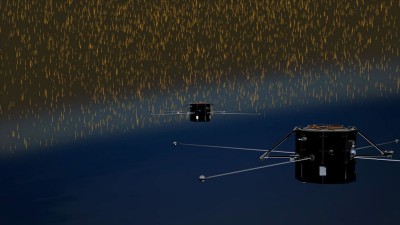
Some projects need more than an internet connection. A proposed magnetometer network is specifically based in Alaska. Other work involves classrooms growing crops, amateur radio equipment, or a distributed network of telescopes. Location, equipment and the eventual project instructions determine who can usefully participate.
The selection also includes listening to plasma-wave data converted into sound and comparing satellite observations with measurements made on the ground. These are different ways to make patterns accessible. They do not eliminate the need for calibrated instruments or researchers who understand what the patterns mean.
NASA’s citizen-science directory is the appropriate starting point for checking current participation instructions. A new funding announcement can help readers discover a subject, but the individual project page should determine what to do and whether an activity is ready.
The strongest idea in this group is not that anyone can replace a scientist. It is that a carefully designed task can let many people contribute observations that would otherwise be difficult to collect or examine at scale. The useful first step is modest and concrete: choose a live project, learn its classification or measurement rules, and contribute data that someone else can check.