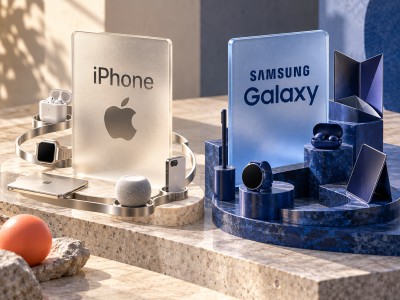
iPhone vs Samsung Galaxy: features, trade-offs and the ecosystem decision
Compare the phone families through software, device connections, hardware choice and switching costs. The flagship's features are not a promise for every tier.
Compare the phone families through software, device connections, hardware choice and switching costs. The flagship's features are not a promise for every tier.
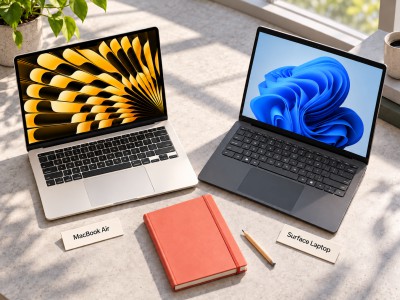
The 13.8-inch Snapdragon Surface adds touch and USB-A; the Air fits macOS workflows. Exact apps, drivers, memory and peripherals can settle the purchase first.
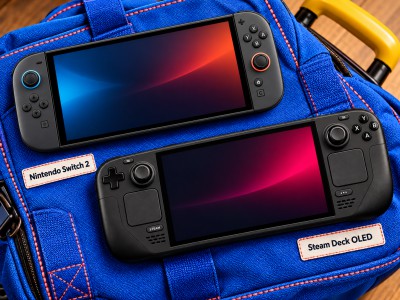
Nintendo’s detachable controls and dock meet Valve’s portable PC library. Screen specifications, game compatibility and storage standards point to different priorities.
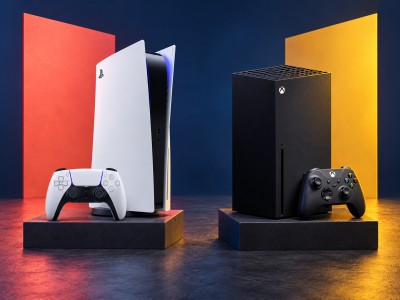
Disc access, qualifying Play Anywhere purchases and storage expansion can outweigh a small hardware discount. Build the basket around the games you will use.
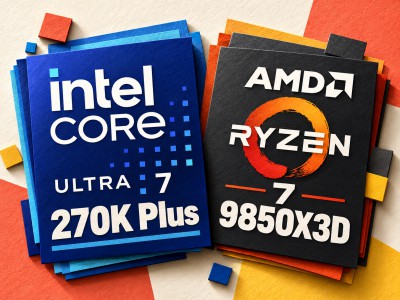
Twenty-four cores against eight is a misleading shortcut. Workload, cache behavior and the motherboard you already own give this CPU comparison its meaning.
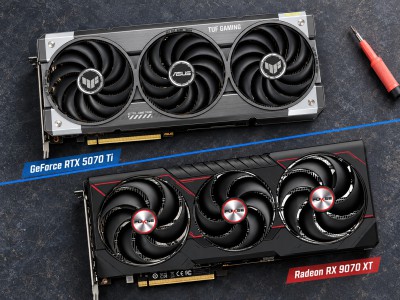
NVIDIA and AMD offer the same memory capacity, but software support, rendered performance and the price of a specific partner card determine the useful comparison.
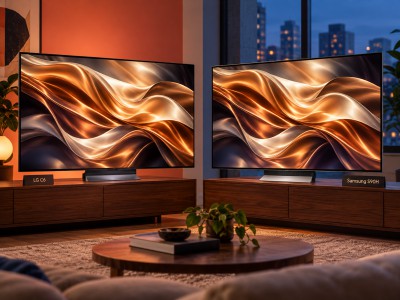
Dolby Vision and reflection control address different viewing problems. The useful OLED comparison includes your sources, windows, HDMI setup and local model code.
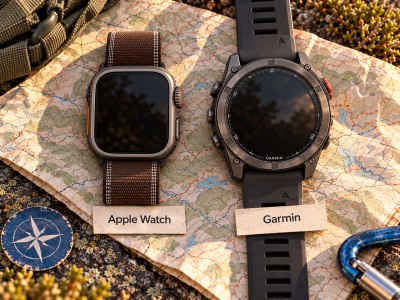
An iPhone companion and a long-endurance outdoor watch make different demands on charging, subscriptions and regional services. Compare the exact Garmin display and size.
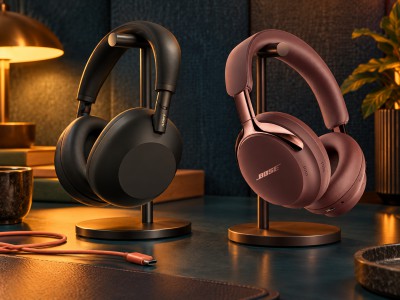
Bose accepts digital audio over USB. Sony’s listening-while-charging feature is a different proposition; codecs, comfort and battery modes complete the choice.