Apple Watch Ultra 4 vs Garmin fēnix 8 Pro: start with your routine
An iPhone companion and a long-endurance outdoor watch make different demands on charging, subscriptions and regional services. Compare the exact Garmin display and size.
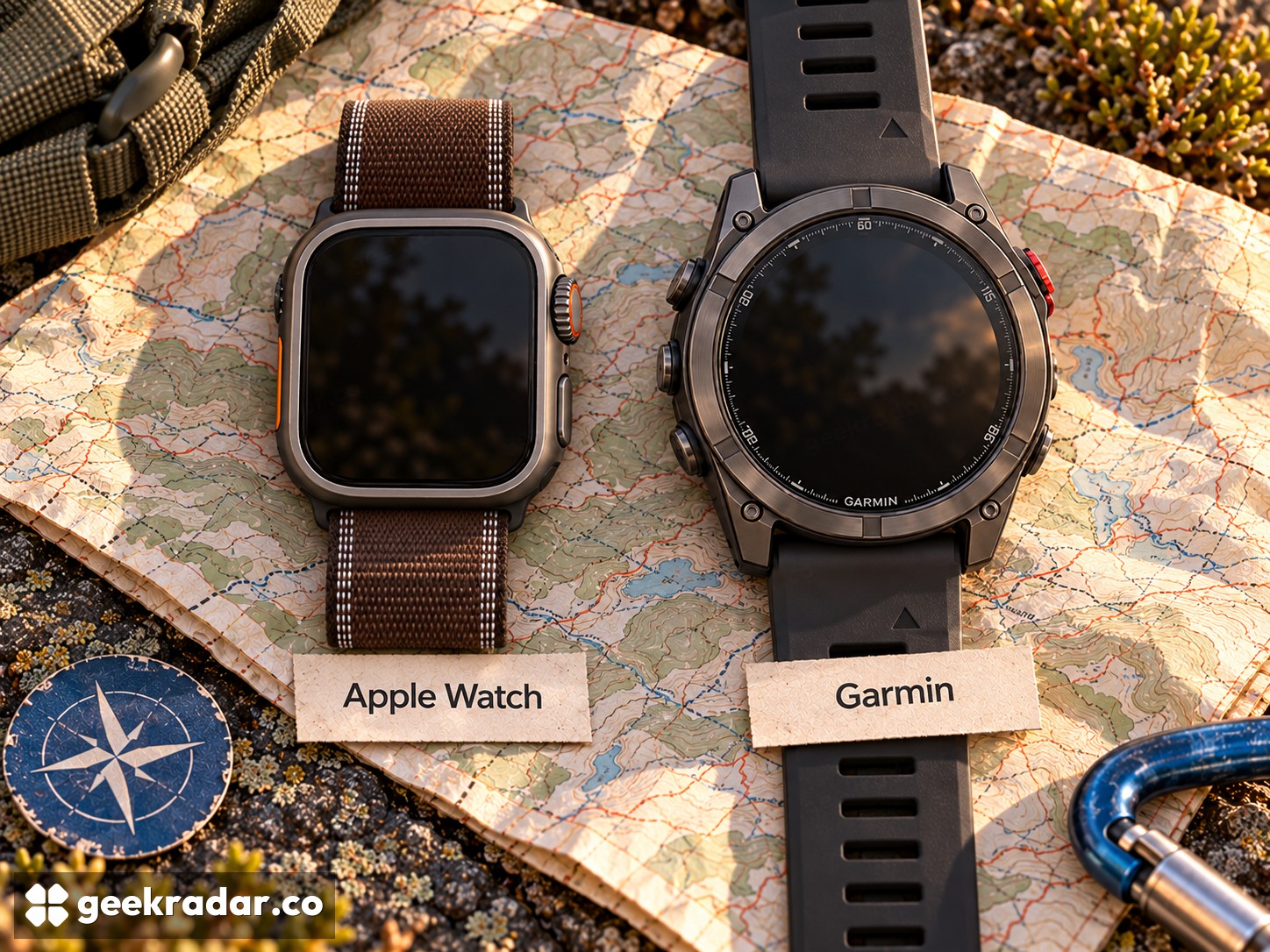
Apple Watch Ultra 4 and Garmin fēnix 8 Pro are expensive ways to put navigation, training data and communication on a wrist. Their most consequential difference is the routine around the watch. Apple's model sits inside an iPhone-centered daily life; Garmin's AMOLED models put much longer intervals between charges at the center of the outdoor proposition.
The Garmin comparison here concerns the 47mm and 51mm AMOLED versions. The MicroLED model is a separate choice with different endurance. Treating every fēnix 8 Pro as the same watch would obscure one of the strongest reasons to buy it.
Start with the phone, then the trip
Apple's Ultra 4 specifications require an iPhone 11 or later, including supported SE models, running iOS 27 or later. That is an entry condition, not a minor accessory preference. An Android owner should not compare watch prices without also recognizing the cost of changing phones.
For an existing iPhone user, the calculation is different. A watch that fits existing communication, apps and charging habits may earn its place even if another model lasts longer. The useful question is how often you want to leave the phone behind and what must still work when you do.
Garmin's fēnix 8 Pro announcement emphasizes built-in inReach connectivity, alongside maps, training and outdoor features. That proposition deserves attention from someone whose watch is principally a route and activity instrument. It is less compelling if most of its life will be spent relaying notifications beside a charging cable.
Compare battery modes, not the biggest numbers
Apple quotes up to 50 hours of normal use, with separate estimates for Low Power Mode and workout tracking. Garmin's battery table quotes up to 15 days for the 47mm AMOLED and 27 for the 51mm with gesture-based display use. Keeping the display always on reduces those Garmin estimates to eight and fifteen days respectively.
The gap is substantial in the manufacturers' stated everyday modes, but it is not a laboratory comparison. Continuous satellite positioning, music, communications and screen settings create different workloads. A multi-day hike needs the relevant tracking-mode estimate, not a smartwatch-mode number measured under lighter conditions.
There is also a physical trade-off. The 51mm Garmin's larger endurance figure belongs to a larger case. Someone with a small wrist may get a better result from the 47mm version they can wear comfortably overnight, accepting its shorter quoted runtime. Sleep data that is never collected because the watch stays on a bedside table has no practical value.
Italy changes some of the software promises
The Garmin connected-features manual makes the subscription requirement explicit. Before a trip, verify coverage for the destination and the services included in the chosen plan. A country in which the watch is sold is not automatically a country in which every connected function works.
Apple has its own regional qualifications. The Ultra 4 specification footnotes say Siri AI is initially unavailable in the EU on watchOS; some Audio Intelligence functions are also future releases with language and regional limits. Italian buyers should evaluate the features available to them now, rather than treating a US demonstration as a local entitlement. The Italian Ultra page is the appropriate starting point for local offers.
Add the applicable connectivity plans to both baskets and compare the exact Garmin size and display technology. Apple is the more natural shortlist for an iPhone user seeking a daily companion that also handles demanding activities. Garmin AMOLED is the more distinctive proposition when charging intervals and outdoor routines dominate. The decisive specification is the one that still helps on the third day away from your usual habits.