NASA targets November 29 for Cygnus XL. Here’s how the station will catch it
The Jim Lovell cargo ship is due to carry nearly five tonnes to orbit. Two astronauts will capture it on December 1 before ground controllers move it to Unity’s hatch.
NASA is targeting November 29 at 15:47 UTC for the launch of a Cygnus XL carrying nearly five metric tonnes of supplies, equipment and science cargo to the International Space Station. The second date on the agency’s flight schedule is the one to watch if you want to see how the cargo actually gets aboard. On December 1, two astronauts are due to catch the spacecraft with a robotic arm. Even then, it will still be some distance from a hatch the crew can open.
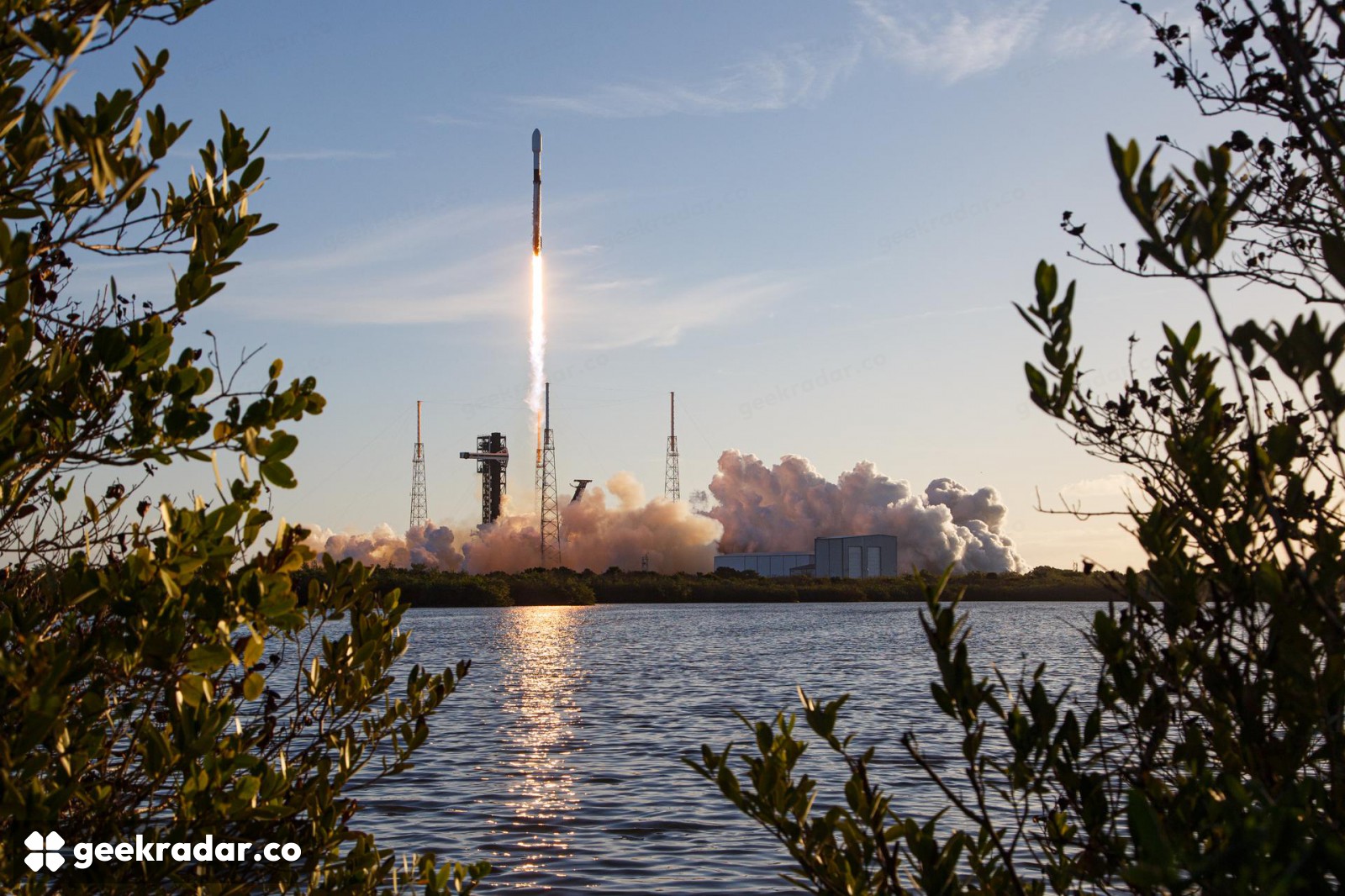
This is Northrop Grumman’s CRS-25 resupply mission for NASA. The company has named its spacecraft the S.S. James “Jim” A. Lovell, after the astronaut who flew aboard Apollo 8 and commanded Apollo 13. SpaceX supplies the Falcon 9 that will launch it from Cape Canaveral in Florida.
A capture, then a berth
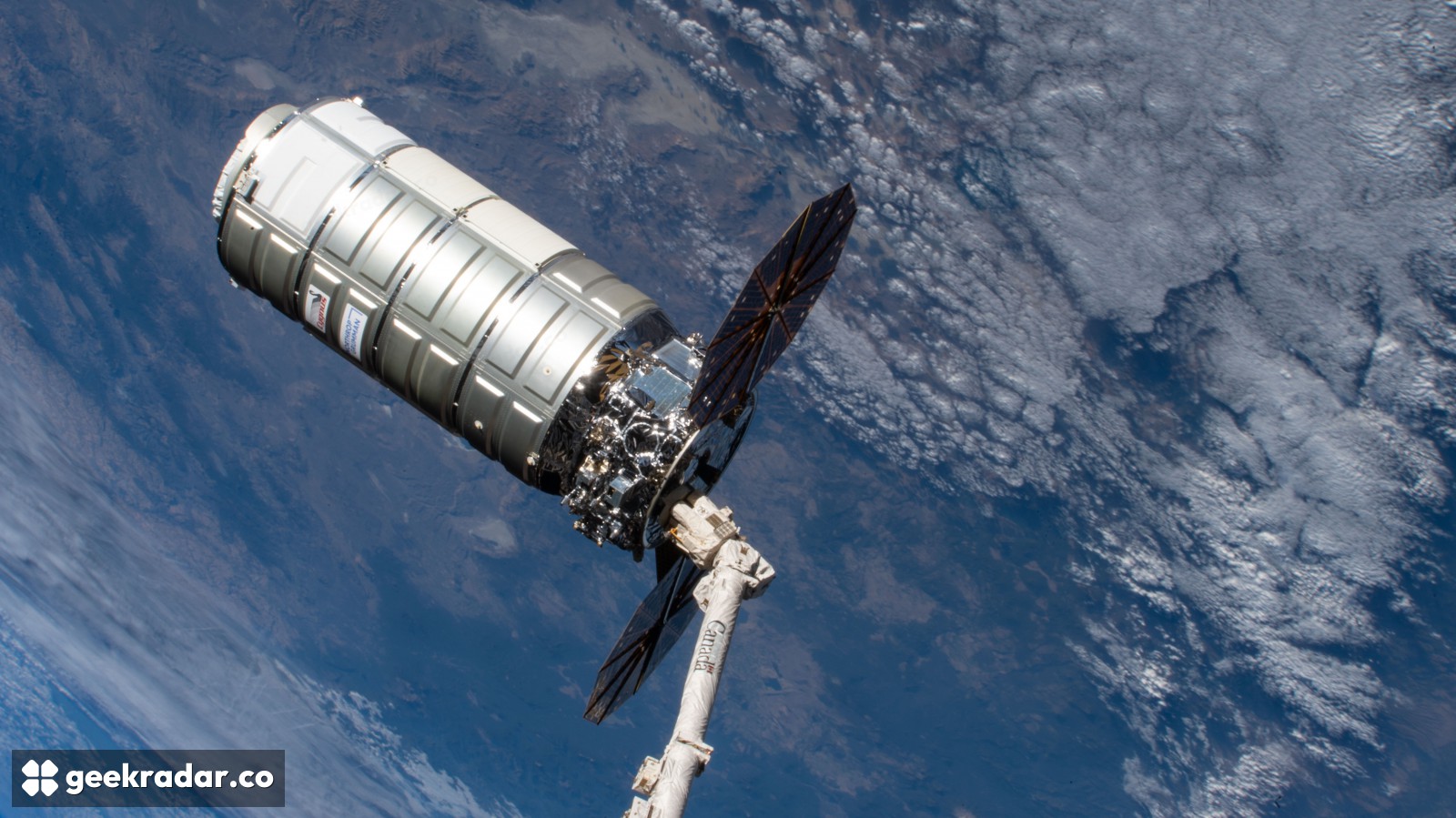
NASA astronauts Jessica Watkins and Luke Delaney are assigned to operate Canadarm2 for the capture. Think of the end of the arm and the station’s cargo port as two separate points on the outside of the laboratory. Once the arm has a grip on Cygnus, controllers on the ground can move the spacecraft into position at the Earth-facing port of the Unity module. Installation there gives the crew access to the pressurised cargo compartment. The capture time in the schedule refers to the first of those operations.
The previous flight gives a particularly clear view of the difference. On October 9, NASA photographed Cygnus XL in the arm’s grasp over the Indian Ocean. That spacecraft was on its way out. It had already come away from Unity after nearly six months attached to the station, and the arm had yet to let go.
These are planned times. NASA’s live coverage page carries the broadcast and is the place to check if the countdown changes.
What fits inside Cygnus XL
Northrop Grumman supplies the service module. Thales Alenia Space makes the pressurised compartment that the astronauts unload. When the first XL version flew in 2025, Thales listed its volume at 36 cubic metres and its cargo capacity at 5,000 kilograms. NASA’s estimate of 11,000 pounds for this particular flight is about 4,990 kilograms. One figure describes the vehicle design and the other the planned load. A cargo bag can use up its share of the cabin long before it reaches a mass limit.
Cygnus is scheduled to stay until May 2027. Its last job turns the incoming supply chain around. The crew can load it with equipment and other items destined for disposal, and the spacecraft will burn up on re-entry. The cargo Dragon recently packed for a return to Earth has a different job. A research sample that needs a laboratory on the ground has to leave on a spacecraft that can bring it back intact.