Weather off California keeps SpaceX’s cargo Dragon at the station until at least Friday
NASA now targets November 20 for undocking. On board for the trip home are protein crystals, a bioprinted blood vessel and a broken joint from the station’s robotic arm.
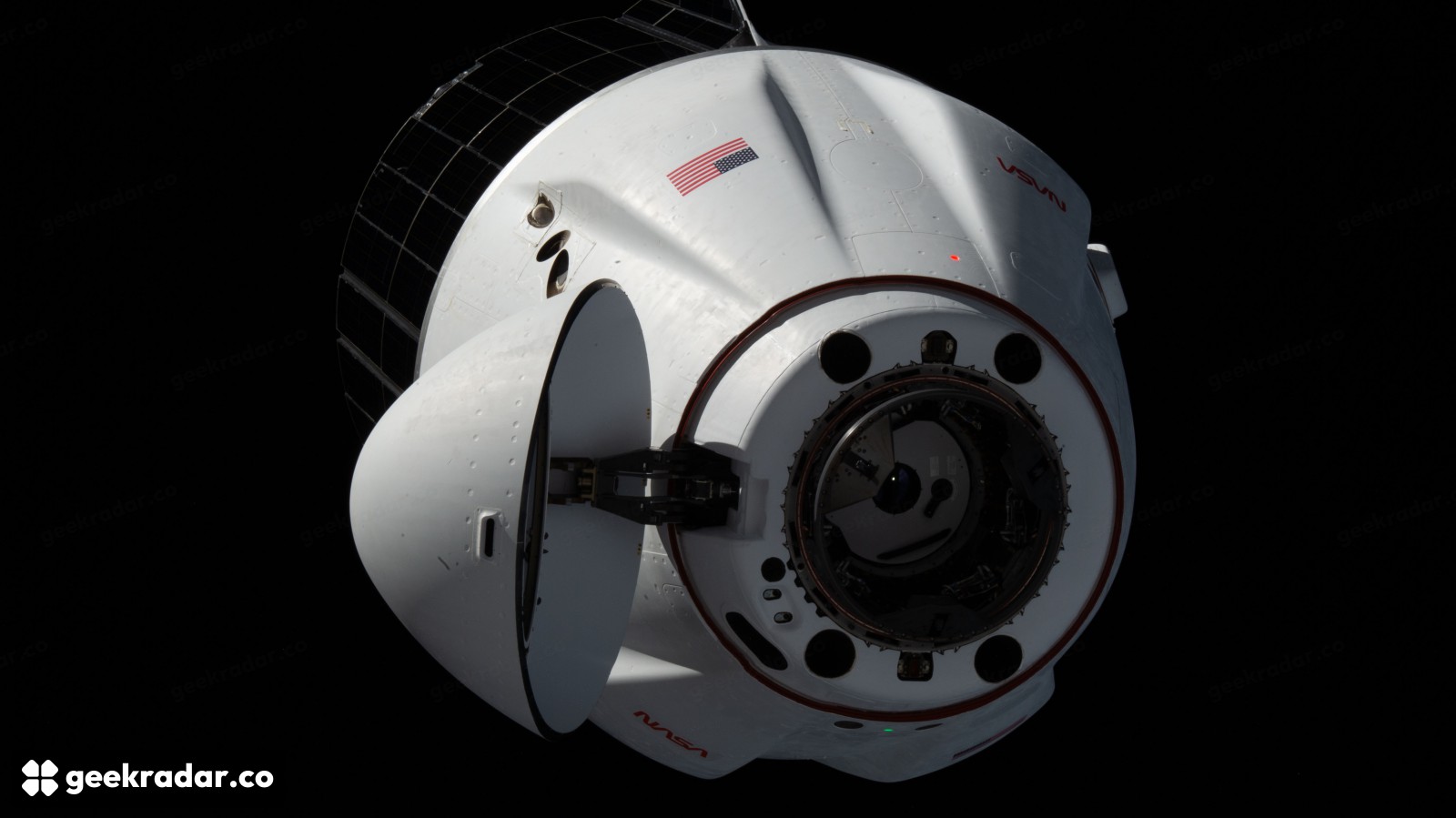
The weather keeping SpaceX’s cargo Dragon at the International Space Station is down on Earth. Poor conditions off California ruled out Wednesday’s departure. NASA now targets Friday, November 20 at 17:05 UTC for the capsule to leave the station. That’s a change from the Thursday opportunity in the agency’s initial weather update. The revised departure advisory still makes Friday’s plan conditional on the recovery forecast.
Dragon arrived on October 15 with more than 6,300 pounds of supplies, experiments and equipment, including the pair of solar arrays that completed the station’s five-year power upgrade. Its return cargo includes a broken piece of the station itself. An astronaut packed the failed wrist joint from Canadarm2 so engineers on Earth can examine the part that the crew replaced in June.
What the crew packed for the trip home
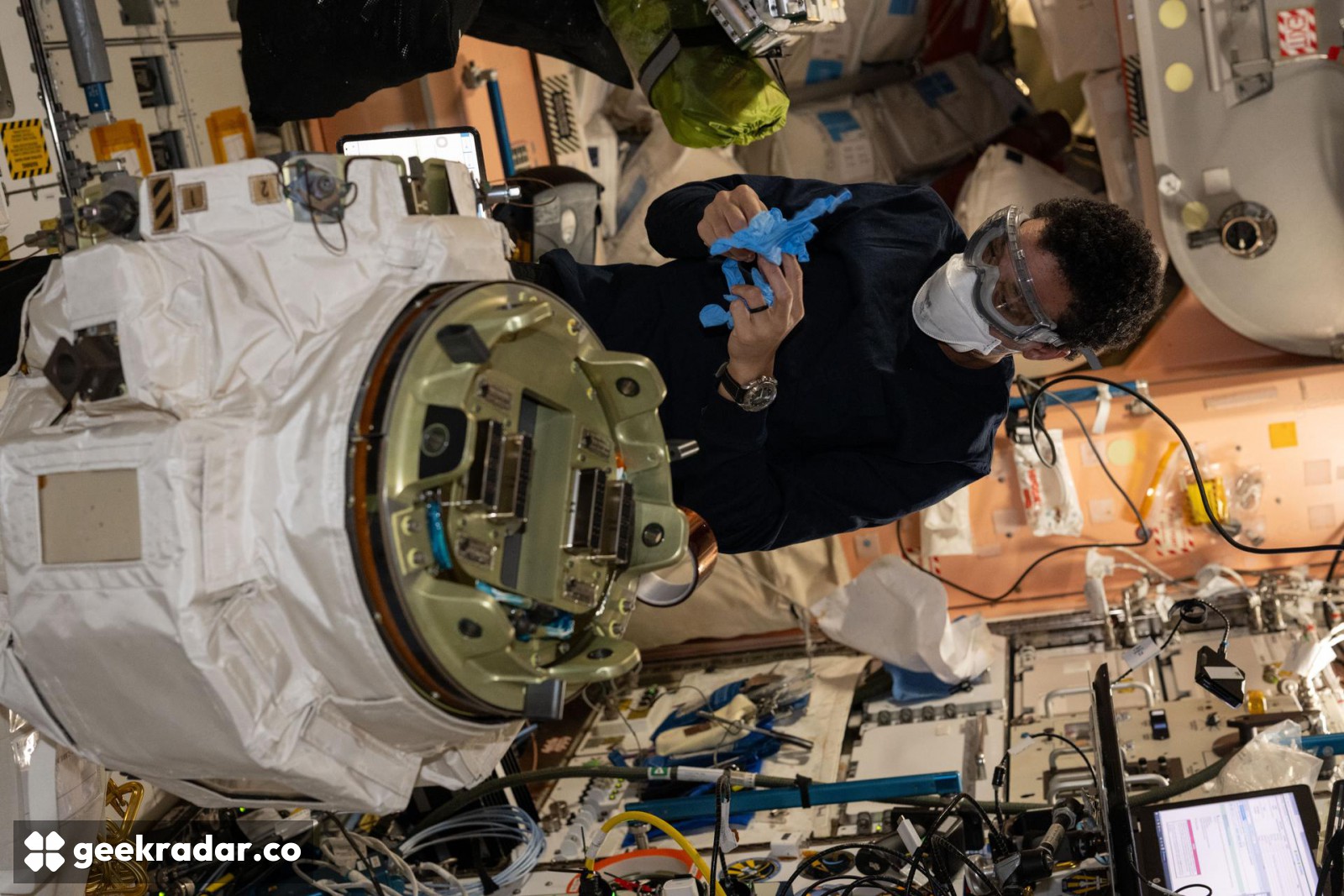
NASA’s account of the packing operation gives a sense of the care a return flight requires. Jessica Watkins and Luke Delaney collected blood samples and sealed them in specialized pouches. They also transferred research material from station freezers, incubators and other storage into Dragon. Canadian astronaut Joshua Kutryk prepared delicate protein crystals for a Japanese pharmaceutical research project.
Some of the most informative cargo looks quite ordinary. A lighting system spent more than three years on the station while researchers investigated whether it could support astronauts’ sleep on long missions. The same capsule will carry a 3D-bioprinted blood vessel used in a study of vascular aging. Landing brings the hardware from one experiment and the specimen from another within reach of laboratories on the ground.
When to watch Dragon depart
The NASA live feed will carry the departure. For splashdown, the agency will post updates on its space station blog. The two events are over a day apart, yet the forecast for the second determines whether the first goes ahead. For the scientists waiting on those crystals, the finish line is a specimen they can put under an instrument.