Suomi NPP reaches its data cutoff; reentry is a separate December operation
NOAA’s final notice specifies 15:40 UTC on November 2. Users need a documented transition to NOAA-20 and NOAA-21, while the historical archive remains a resource.
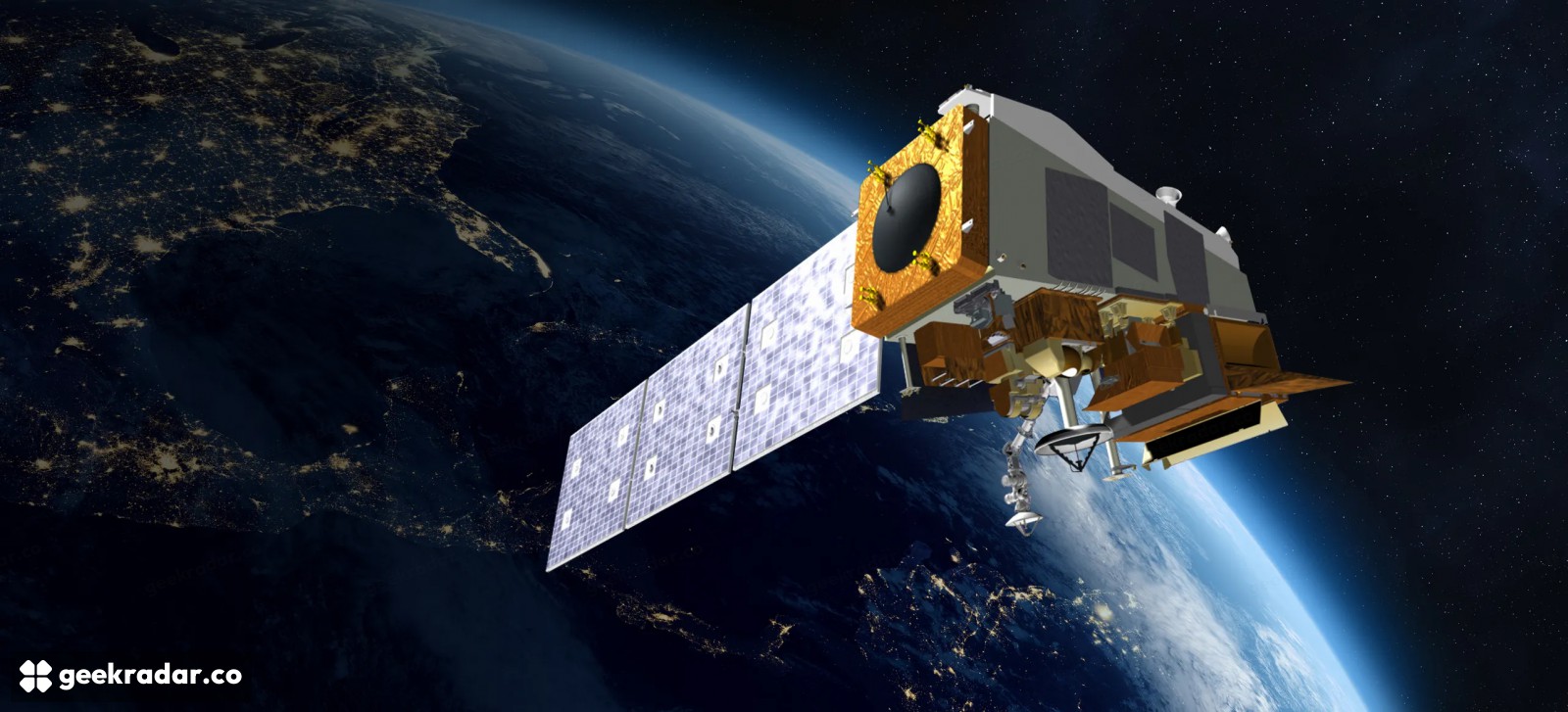
NOAA scheduled the end of Suomi NPP's remaining science-data deliveries for 15:40 UTC on November 2, bringing a long-serving weather satellite to a different milestone from its eventual reentry. For organisations using its products, the immediate issue is the data handover. The spacecraft's planned descent does not begin until December.
The time comes from NOAA's final reminder, issued on October 30. It supersedes the 13:00 UTC cutoff retained in earlier notices. This is the agency's published operational schedule; the notice itself is not a separate confirmation that each shutdown action has been completed.
The cutoff includes more than photographs
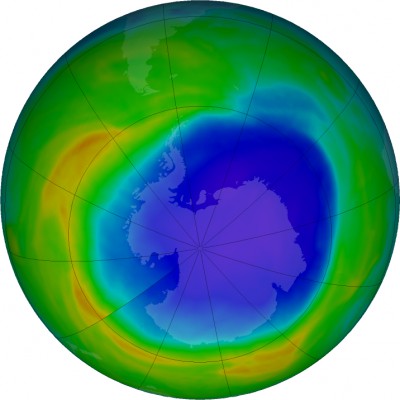
The affected products include observations from VIIRS, the Visible Infrared Imaging Radiometer Suite, alongside the ATMS microwave sounder, CERES radiation instrument and OMPS ozone instruments. NOAA also schedules the end of the satellite's direct broadcast. CrIS, its infrared sounder, had already ended operational use in December 2025.
That range explains why the transition cannot be understood simply as the disappearance of one source of attractive Earth images. Different products feed different environmental measurements and processing chains. A receiving system that expects new Suomi NPP files needs a deliberate replacement source; the end of one platform's delivery does not automatically change the identity of the data requested by a client.
NOAA directs users to NOAA-21 as the primary satellite and NOAA-20 as the secondary, with products available through its Product Distribution and Access system. Both carry similar instruments that provide complementary observations. The notice does not say that every Suomi NPP product can be exchanged for a successor file without checking its characteristics.
A successor instrument still needs a checked workflow
NASA's land-product transition guidance describes NOAA-20 and NOAA-21 products as comparable and advises users to adapt algorithms and workflows. That is a more useful description than “identical replacement.” Its older cutoff time has been overtaken by NOAA's final reminder, but the migration advice remains pertinent.
For a long-running analysis, the platform name, collection and processing version belong in the record. Otherwise a change in the observing system can be mistaken for a change on the ground. An automated download completing successfully establishes that a file arrived; it does not by itself establish that the new input has the same sampling, quality flags or interpretation as the previous one.
The historical observations remain a separate resource. NASA archives and distributes Suomi NPP data through Earthdata and its distributed archive centres. Ending new deliveries is not an announcement that the existing scientific record is being erased. The distinction matters particularly when today's observations are compared with a season or storm from years earlier.
The spacecraft has another job to finish
Suomi NPP launched in October 2011 with a five-year design life. NOAA's retirement account explains that ageing instruments and systems now sit behind a constellation in which newer satellites already hold the primary and secondary roles.
Our earlier explanation of the planned controlled descent concerns the next phase: gradually lowering the orbit while the spacecraft can still be managed. That process is distinct from today's data deadline.
For users of the observations, a successful handover will be quieter than a reentry. A processing job continues to run, its new source is documented, and a long time series remains interpretable. Preserving that continuity requires more than replacing a satellite's name in a download script.