Vulcan’s 40 lost Amazon satellites: ULA traces low thrust to the fuel supply
Early flight data point to too little fuel reaching Vulcan’s main engines. The upper stage started normally, but it inherited too little speed to put Amazon’s first Vulcan batch into orbit.
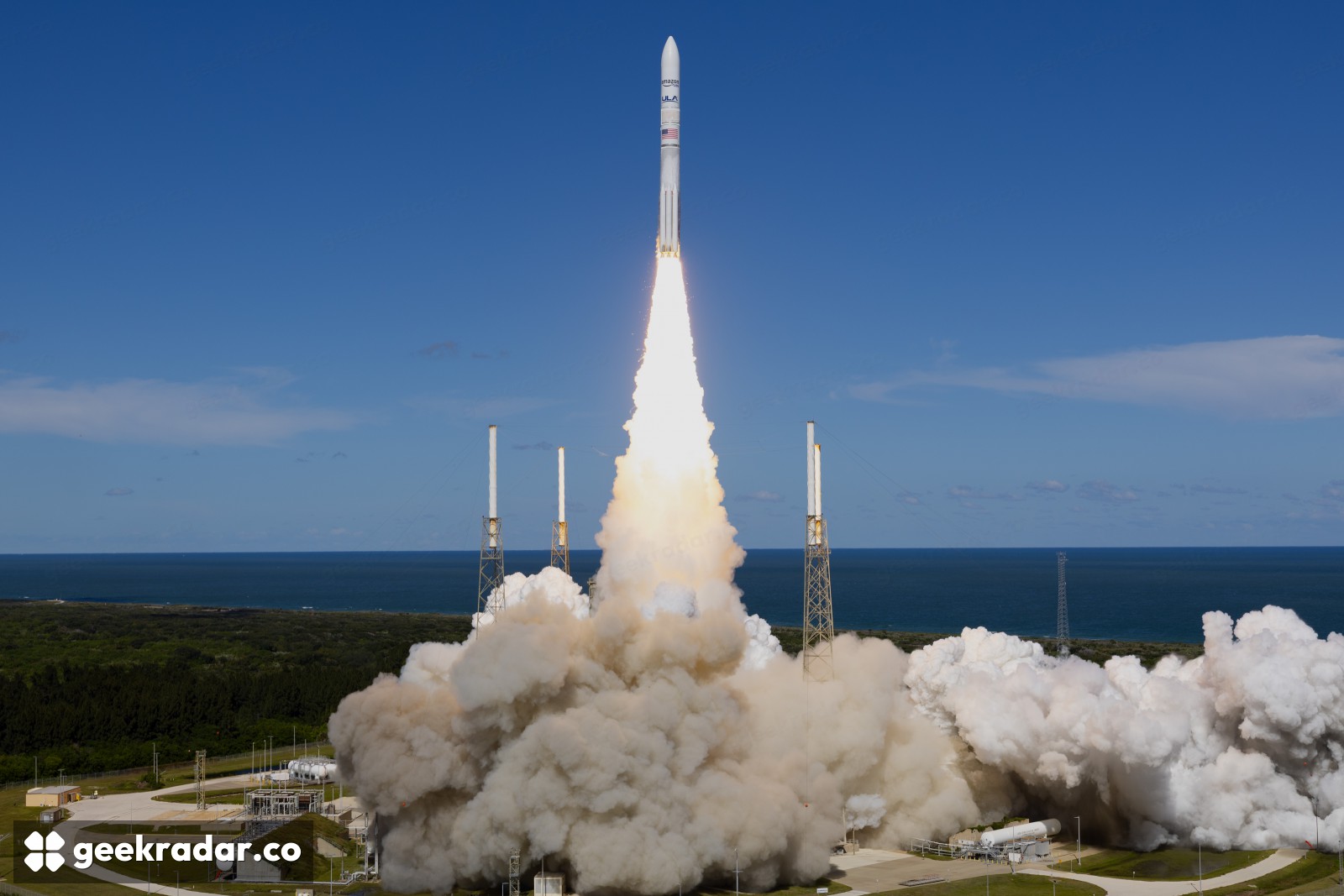
United Launch Alliance has narrowed the investigation into the loss of 40 Amazon Leo satellites. Its first combined review of the November 15 flight data points to Vulcan supplying too little fuel to its two BE-4 engines. ULA says the engines themselves appear to have performed as expected. The November 18 finding leaves one important question open: why the rocket failed to supply the fuel in the first place. ULA’s dated flight updates
The trouble began before the signal went quiet
In its first account from Cape Canaveral, ULA placed the loss of the mission about ten minutes after liftoff. That was when the team lost telemetry, the stream of measurements sent back by the rocket. Analysis of the earlier readings shifted attention much closer to the ground. The first stage was already underperforming shortly after launch. By the time it separated, the upper stage and its cargo were both lower and moving more slowly than the flight required.
That sequence explains an otherwise puzzling detail. The two RL10 engines on the Centaur upper stage appear to have started normally. But an upper stage begins its work with the altitude and speed the booster has given it. This time there was too much ground to make up. The later loss of contact tells investigators when their record ends. The earlier readings give them somewhere to look for the cause. Spaceflight Now’s account of the flight and investigation
There was good reason to watch the six solid boosters strapped to Vulcan’s sides. Two earlier flights had experienced nozzle problems, and this mission flew with changes to those nozzles. ULA says the solid boosters appear to have worked as intended. When the company refers to low booster thrust in this investigation, it is discussing the main stage powered by the two BE-4s. It has yet to identify the part or condition that limited the fuel supply.
Amazon had already started preparing the next launch
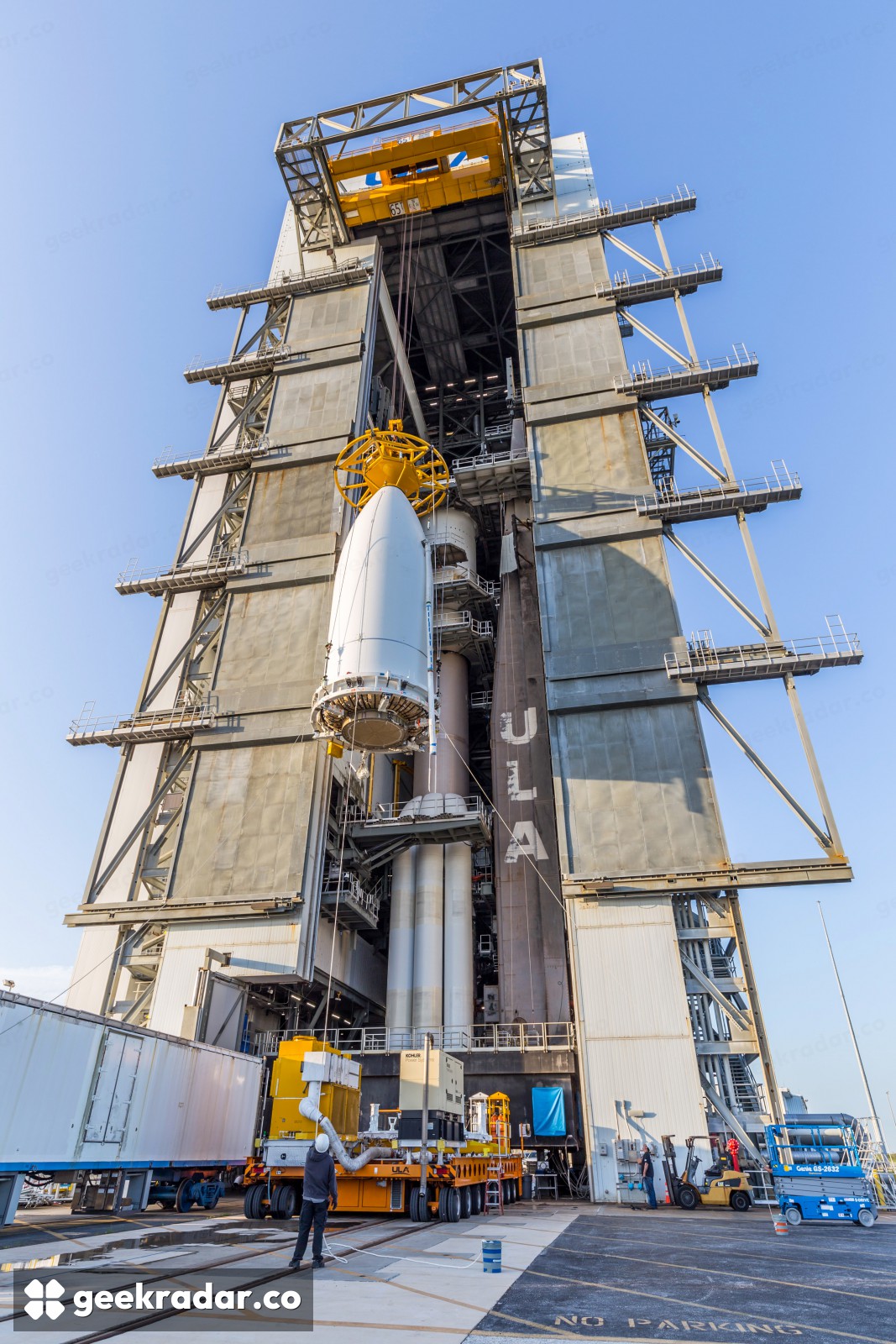
For Amazon, the loss goes beyond the 40 satellites assigned to its first Vulcan flight. Before liftoff, it said it expected Vulcan to carry more than 1,500 first-generation Leo satellites across 38 missions. A second assembly building and a new mobile launch platform at Cape Canaveral were meant to let ULA prepare two missions in parallel. Work on the next rocket was already under way. Amazon’s preflight account of the investment
Amazon had expected that second flight within weeks if the first mission went to plan. That condition matters more now than the original estimate. ULA leads the investigation, and the US Federal Aviation Administration will review and approve its final report, including corrective actions. Amazon can prepare another batch of satellites while that work continues. A full assembly building, however, no longer tells customers when those satellites can leave it.