REDMAGIC 12 Pro goes on sale: the charger and support terms matter too
The gaming phone starts at $899 or €899 on its regional stores. Its display and battery headline the hardware, but included accessories and security support need a closer look.
REDMAGIC 12 Pro entered general sale on November 18 with an unusually direct proposition: spend flagship-phone money on a device whose priorities are gaming, cooling and battery capacity. The entry configuration costs $899 on the global store or €899 on the European store, with 12GB of memory and 256GB of storage. Before treating that as the complete purchase, check two less conspicuous specifications: the charger is not included by default, and the security-update commitment changes between storefronts.
The opening of general sales, confirmed in TechRadar's current availability coverage, moves the discussion beyond the hardware preview we covered earlier. An 8,400mAh battery and 185Hz screen make a striking specification sheet. The more useful launch-day question is what buying this particular gaming phone commits you to after the first impressive session.
What the launch price includes
The European product page lists the Nightfreeze finish with 12GB/256GB, 16GB/512GB and 16GB/1TB configurations. Subzero starts at 16GB/512GB. At the time checked, the entry European configuration was marked in stock with estimated dispatch within five days. Dispatch is the point at which the order leaves the warehouse, not a delivery appointment.
These are the prices on the global and European storefronts, not currency conversions or a promise that either store serves every country. Shipping eligibility, the selected configuration and applicable offers still determine the checkout.
Both the box list and the FAQ make the accessory distinction clear: the standard purchase includes a case and USB-C cable, but no charger plug. A free charger appears under selected promotions, including qualifying Early Bird or loyalty orders. That conditional gift should not be counted as a universal launch benefit. Likewise, the advertised maximum of 80W for wired and wireless charging is a capability, not a statement that any existing USB-C adapter or wireless pad will supply it.
A screen built around playing
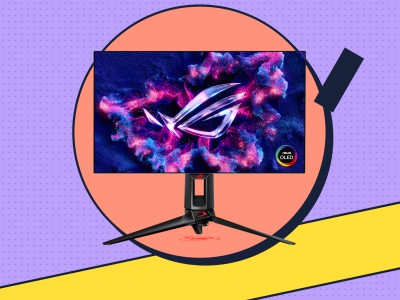
REDMAGIC specifies a 6.85-inch BOE X11 panel with 2,688 × 1,216 resolution and refresh rates up to 185Hz. The front camera sits beneath the display, leaving the playing area free of a camera cutout. Capacitive shoulder triggers provide another distinguishing feature: the phone gives fingers somewhere to act beyond the touchscreen itself.
That is a coherent design choice for someone who spends long stretches holding the device horizontally. It is less compelling if the extra controls will rarely be used. The Snapdragon 8 Elite Extreme Gen 6 processor and the cooling hardware are part of the same specialization; they do not remove the need to check the games that matter to you.
The battery capacity is substantial, but capacity alone cannot tell a buyer how many hours a particular game will run. Screen brightness, connectivity and workload all draw on the same reserve. The meaningful advantage is room for a demanding workload; a precise endurance claim still needs a defined test.

Cooling does not settle the camera question
The manufacturer describes dual-loop liquid cooling, a vapor chamber, liquid metal and a 25,500RPM fan. These are physical measures intended to move heat away from the components. They should be judged separately from peak benchmark numbers: a short burst and a long session ask different things of a phone.
In Jon Mundy's independent review, the strong gaming and battery results came with reservations about sustained stress-test behavior and photography, particularly the under-display selfie camera. Those are his test findings, rather than measurements from GeekRadar. They are useful precisely because they complicate the specifications: more elaborate cooling does not automatically establish superior performance under every prolonged load.
The camera arrangement also makes the priorities visible. There are 50MP main and ultrawide cameras, but no dedicated telephoto. Hiding the front camera preserves an uninterrupted display; the review's complaints about selfie quality show the other side of that decision. A phone can be carefully optimized for play and still ask for compromises during an ordinary day.
The support promise depends on the region
The European product FAQ promises two major Android updates and five years of security updates from launch. The global page promises the same two major Android updates but three years of security updates. These are different commitments, and an English-language product name does not make them interchangeable. Check the terms for the storefront supplying the phone.
Major operating-system upgrades and security patches serve different purposes. A longer patch commitment does not mean five new Android versions, while a two-upgrade commitment does not mean security support ends after the second upgrade. REDMAGIC OS 12 ships on Android 17; buyers should evaluate the stated policy from that starting point.
The 12 Pro therefore makes most sense when its distinctive hardware will earn its place: the uninterrupted screen, shoulder controls and large battery need to matter more than camera versatility. The launch price buys that emphasis. Whether it buys good value depends on how often you will use those advantages—and how comfortably you can live with the compromises after the game closes.