NASA’s $500,000 electric thruster prize comes with four weeks in a vacuum facility
Up to two U.S. teams can earn cash and test a spacecraft engine at NASA Glenn. Of each four-week slot, two weeks are reserved for running the prototype.
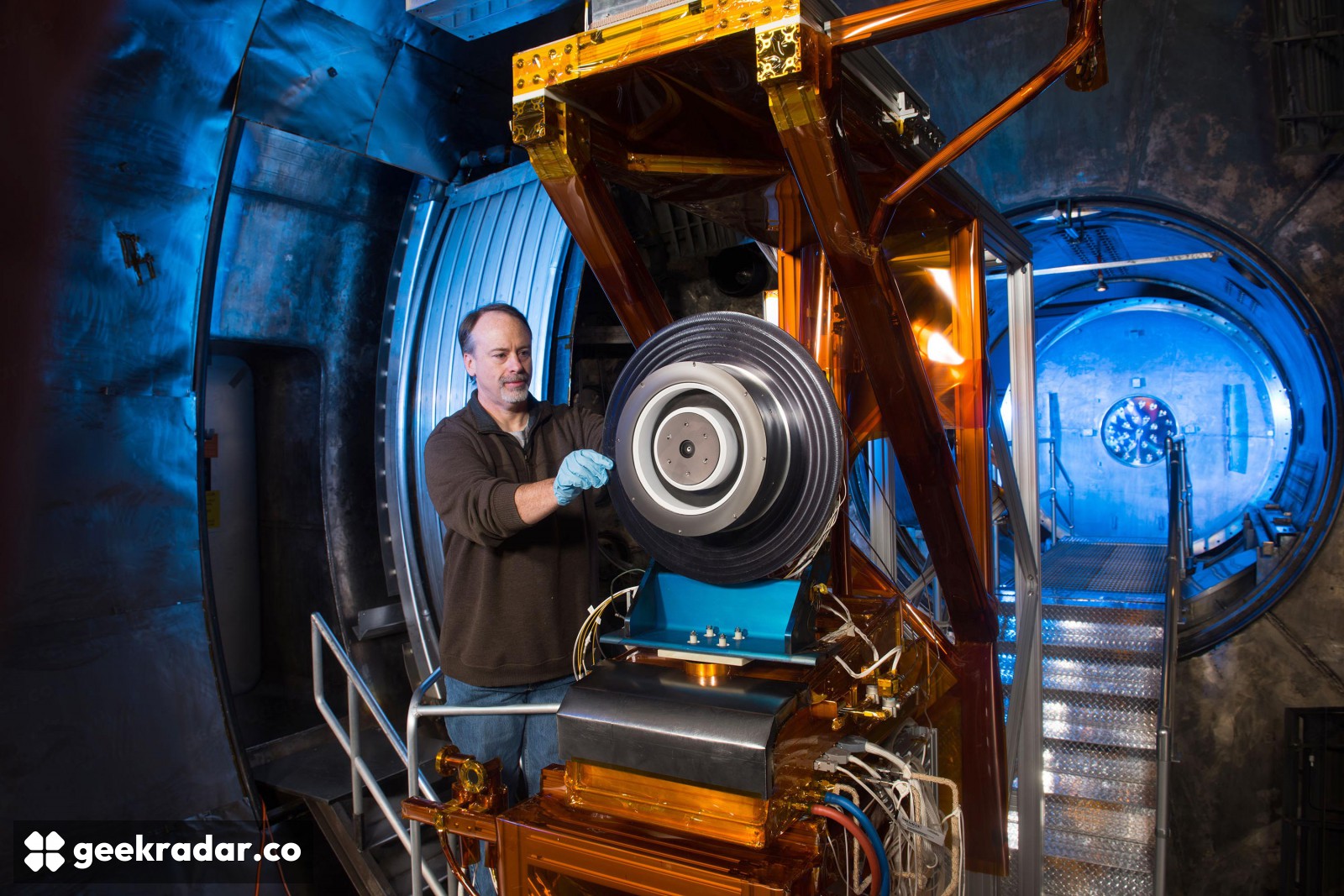
A spacecraft engine maker can win up to $250,000 in NASA’s new AMPERE competition. The last stage comes with something a cheque alone can’t guarantee: four weeks in a vacuum facility at NASA’s Glenn Research Center, with two weeks set aside to run the engine. Each team gets its own test results. For a company trying to persuade a spacecraft builder to take a chance on its hardware, those measurements could be the more valuable part of the prize.
NASA announced the competition on November 18 and scheduled a virtual industry day for November 19. It wants U.S. companies to build prototypes of mid-power Hall thrusters, the kind of electric engine that can keep pushing a satellite or a robotic spacecraft over a long journey. The contest has a $500,000 cash pool across up to two teams. Nobody has won a test slot yet.
Why give the winners time in a vacuum chamber?
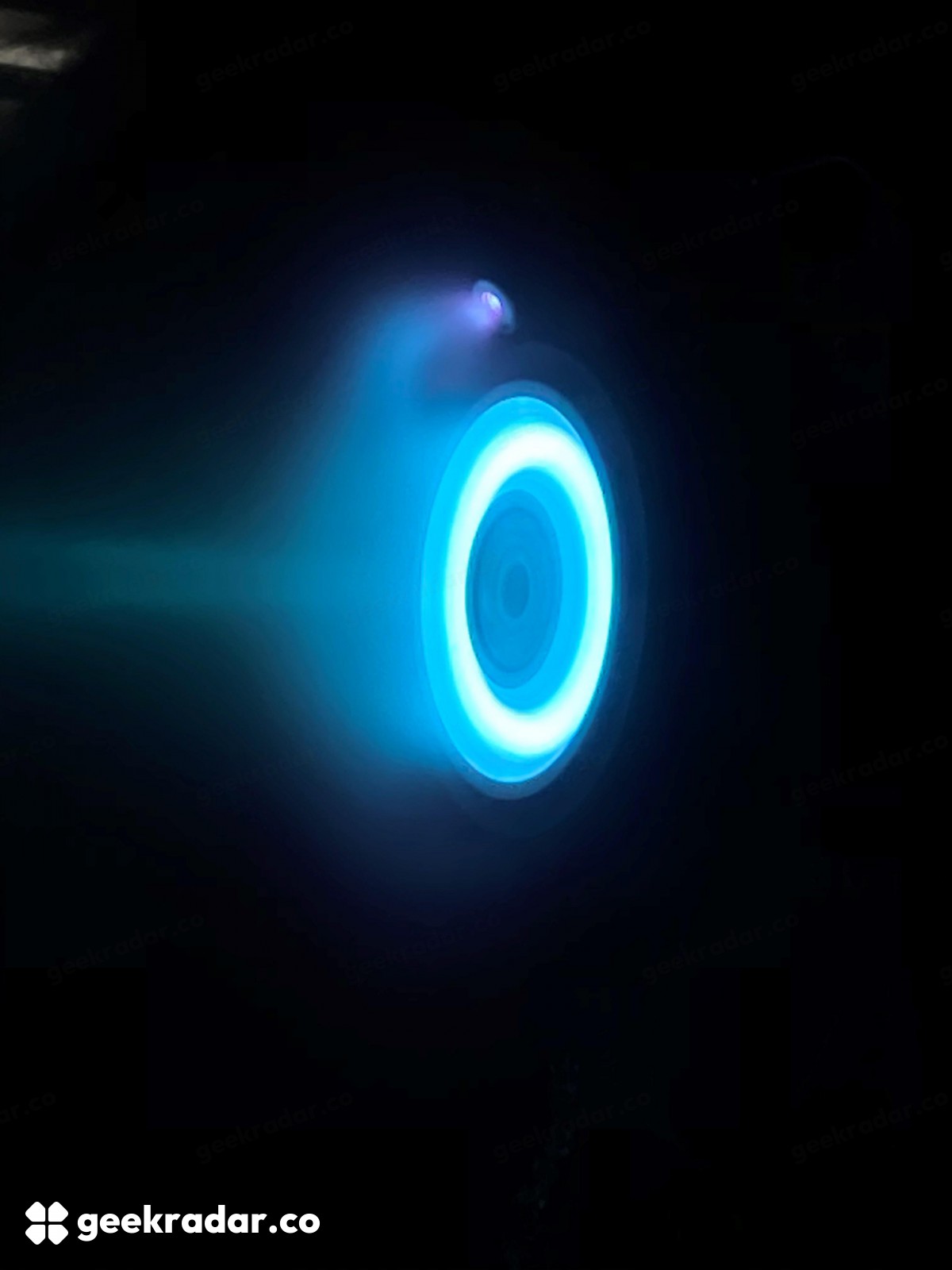
A Hall thruster uses electricity to accelerate charged particles of propellant out of the engine. It can accumulate speed over a long stretch of flight while carrying relatively little propellant. NASA’s Psyche mission illustrates that trade-off. In a ground test of a thruster like Psyche’s, the blue glow comes from xenon plasma. The colour tells you what you’re looking at. It tells a prospective customer very little about the performance of another company’s engine.
AMPERE asks entrants for cost and performance projections and a plan to manufacture the hardware. Its published overview sets preliminary performance targets for operation with both xenon and krypton. Selected teams can choose a no-cost licence for NASA-developed krypton thruster technology. The challenge describes a wider 3–7 kilowatt class, a measure of electrical power. It says nothing about how many kilograms of spacecraft a particular design could carry to a destination on its own.
Two payments, then a test campaign
The prize terms spell out when the money changes hands. Each team selected at the concept stage receives $125,000. A second $125,000 depends on meeting the criteria for finishing and delivering a prototype. At Glenn’s Vacuum Facility 12, the four-week slot includes a week to set up, two to test and one to remove the equipment. The teams use the facility in succession. The published schedule places those campaigns in early 2028.
The eligibility rules require the company to be incorporated in the United States and to have its primary place of business there. Registration and submission are separate deadlines on the official calendar. A team that waits until February to register will have missed its chance even with a finished proposal.
NASA leaves open the possibility of further development after the tests. A mission assignment would be a separate decision. What a team can take away from Cleveland is more concrete: it will have a set of measurements to put beside the figures it put in its application.