LG Display cancels the Paju OLED line it designed for 65-inch TVs and up
A 3.37-metre sheet of glass explains the appeal of LG’s 3 trillion won expansion. A shift in demand from living-room TVs toward gaming monitors helps explain why LG walked away.
LG Display has abandoned a 3 trillion won investment in a South Korean production line designed for OLED televisions of 65 inches and up. The giveaway in its November 19 regulatory filing is what happened to the deadline. The last time LG revised the plan for its P10 plant in Paju, it gave itself until March 2028. This time the board removed both the date and the investment amount. LG says it will use the large OLED capacity it already has to meet changing demand.
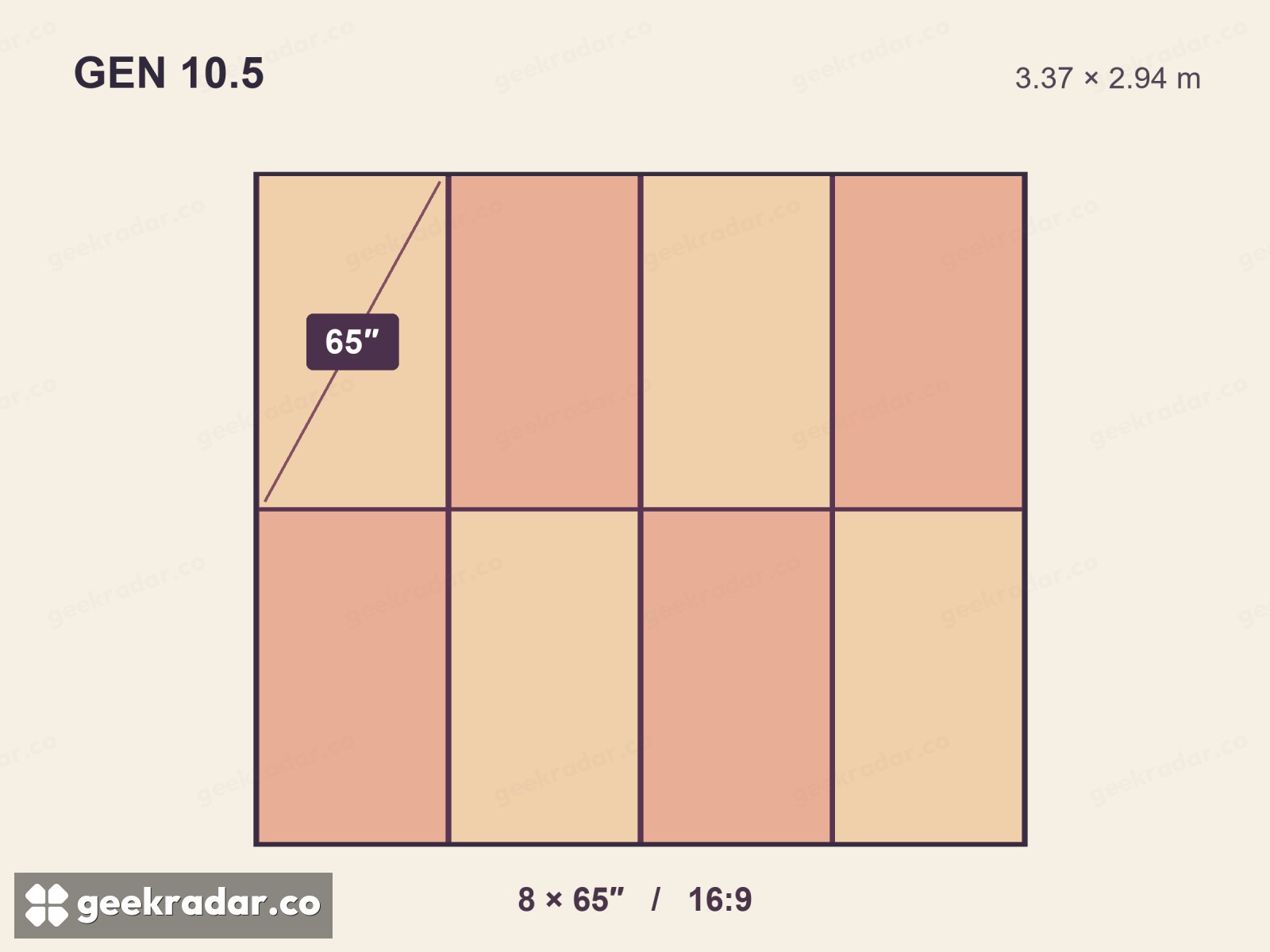
What a 3.37-metre sheet buys you
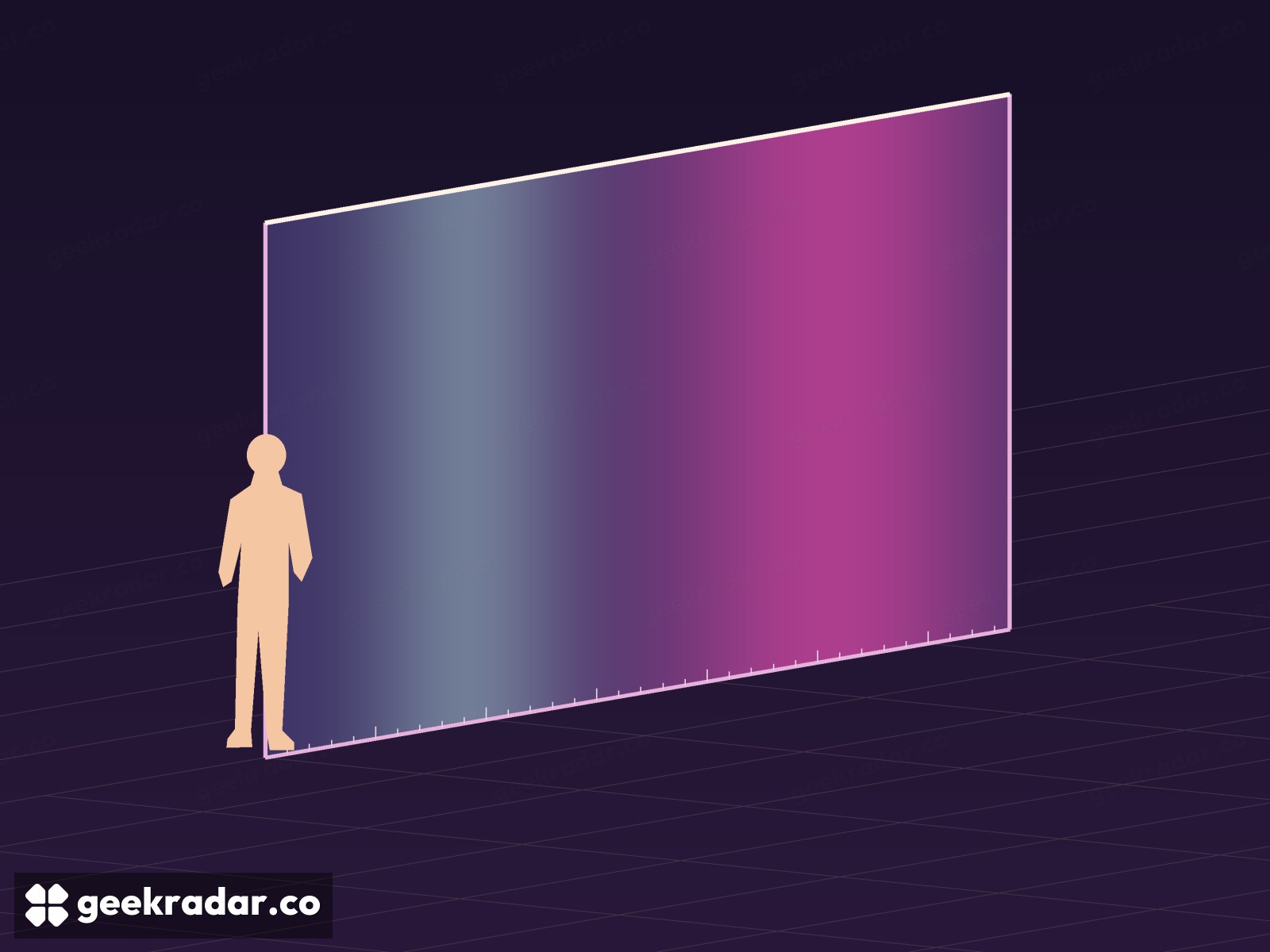
When LG announced the investment in July 2019, it specified a sheet of glass 2.94 metres by 3.37 metres. That is what generation 10.5 describes here. It tells a factory engineer the size of the substrate the equipment can handle. It tells a TV buyer nothing about a screen’s resolution, brightness or black levels.
The dimensions make the appeal for television manufacturers tangible. A 65-inch screen with a 16:9 aspect ratio has a picture area roughly 1.44 metres wide by 81 centimetres high. Turn the rectangles on their sides and four fit across the long edge of the sheet, two along the short edge. That gives eight picture areas on paper. A panel also needs space outside the picture for circuitry and cutting, and defects can cost the factory a panel. The drawing illustrates the geometry rather than predicting how many TVs would pass inspection.
LG originally planned for equipment handling 30,000 sheets a month in the first half of 2022, followed by another 15,000 a month in the first half of 2023. Those figures were targets for sheets entering a factory. The 3 trillion won announced in 2019 was an additional investment, including equipment to deposit the organic material that emits light. Treating that sum as the cost of closing the entire Paju site would fold earlier, separate investments into the wrong decision.
A gaming monitor fills a different order book
LG gives two reasons the original sales pitch aged poorly. OLED TVs grew more slowly than it expected, and buyers took longer to switch from liquid-crystal displays. At the same time, LG says demand for smaller premium panels, particularly gaming monitors, grew rapidly. Yonhap’s account of the decision also traces the earlier five-year delay to pandemic disruption and economic uncertainty.
Those trends can coexist. When OLED monitor shipments doubled, the unit being counted was a finished monitor. A factory has to sell square metres of display area as well as individual panels. At the same aspect ratio, four 32-inch screens still occupy slightly less picture area than a single 65-inch screen. A run of popular gaming displays can keep existing equipment busy while leaving a poor case for buying a much larger machine built around the living room.