Silicon Motion’s SM8466 gives shared SSDs finer control over who waits
At SC26, Silicon Motion showed a controller with room for 512 performance policies. A database lookup competing with a backup explains why that matters.
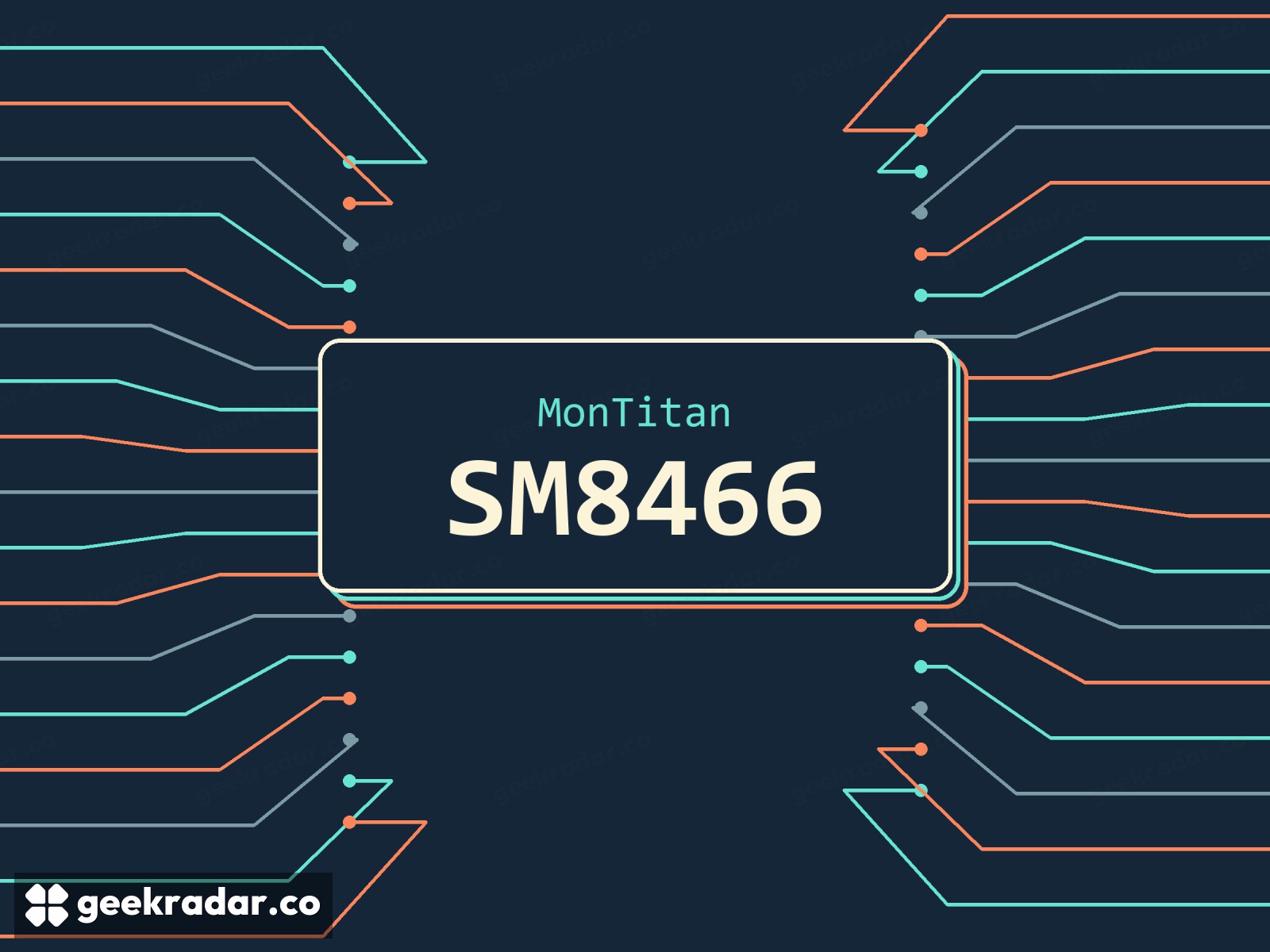
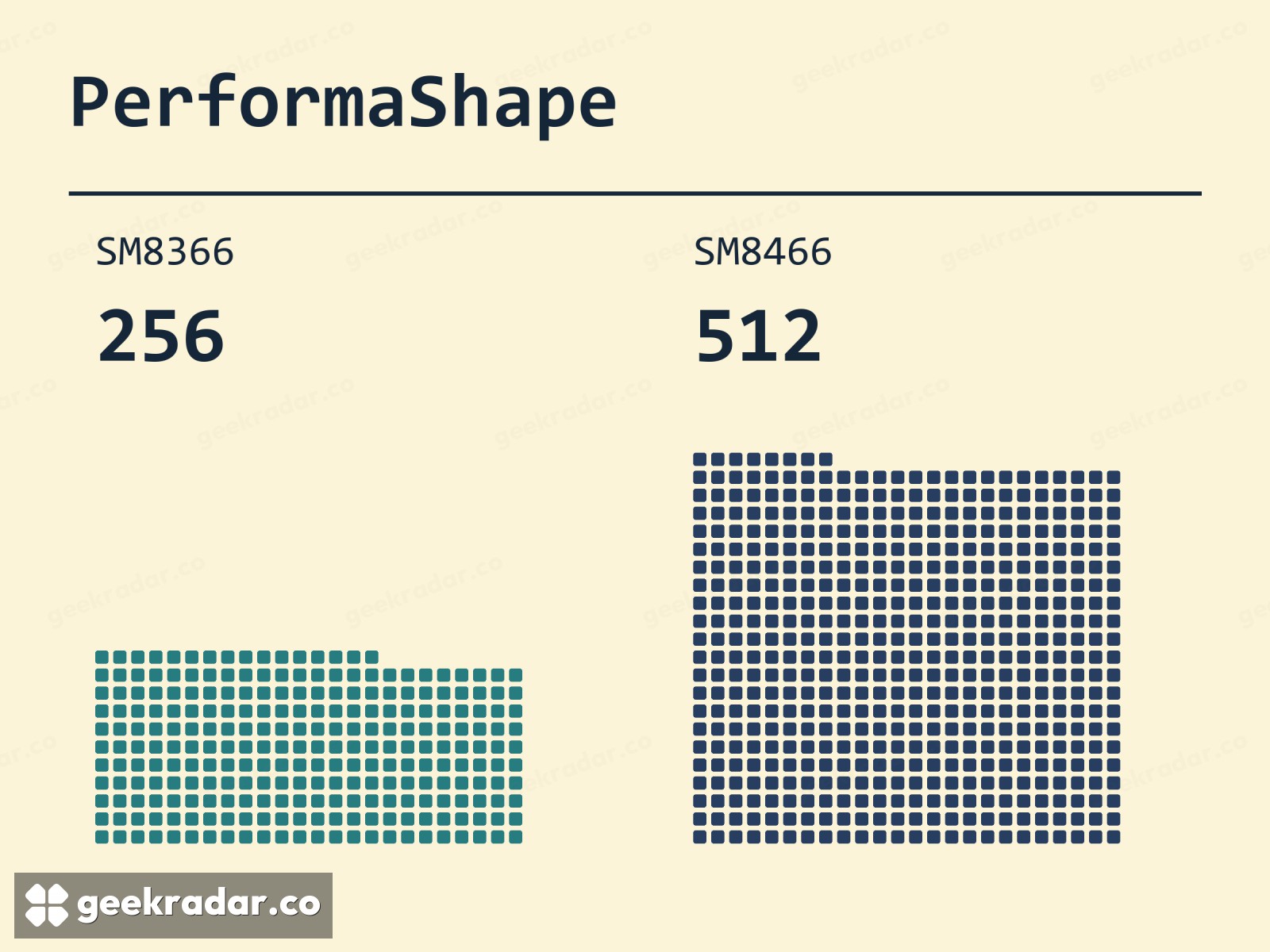
A database asks for a few kilobytes just as a backup starts writing gigabytes to the same SSD. The person waiting for a search result cares how quickly that small read gets through. Silicon Motion brought an enterprise SSD controller to SC26 in Chicago with a specific answer to that problem. Its MonTitan SM8466 lets an operator regulate competing workloads across as many as 512 quality-of-service sets, twice the number supported by the previous generation.
The distinction matters when reading the company’s SC26 announcement. The SM8466 is the controller that drive makers can build around. A demonstration gives them a look at the platform well before a customer can order a qualified drive. Tom’s Hardware reported from the show that the final chip design had recently reached tape-out, the handoff for fabrication. The outlet expects drives based on it in late 2027 or early 2028. That is an estimate, and individual drive makers still have to announce their products.
Two ways to fill a drive’s queue
Consider a backup that writes large, contiguous blocks. It can move a lot of data with relatively few commands. Now consider a database lookup that reads small pieces from widely separated locations. It can generate a great many commands without moving nearly as many bytes. A limit expressed only in gigabytes per second says little about how much command-processing capacity the database might consume. A limit expressed only in operations per second leaves plenty of room for large writes to fill the connection.
Silicon Motion’s PerformaShape technology lets operators set limits on throughput and on input/output operations per second (IOPS). Its second generation can coordinate limits across multiple characteristics. A cloud operator could give a background job a smaller allowance while keeping room for interactive requests. The cost is concrete. A backup with a tighter limit takes longer when the competing work is present.
What changes from 256 to 512
A quality-of-service set gives the controller a way to apply a performance policy to a group of work. More sets let an operator make finer distinctions about which workloads can compete on the same terms. Doubling that count does not double drive speed or guarantee that 512 customers can each receive the drive’s peak bandwidth. All of the work still passes through the controller’s four-lane PCIe 6 interface and 16 NAND channels.
A drive buyer could learn more about that last question from a mixed-workload test. Give the backup a fixed amount of work, run the same database requests alongside it and measure the slowest one percent of reads. Then check when the backup finished. Those two results would reveal who gained time and who gave it up. The SC26 specifications provide neither measurement. For the person waiting on a search, the most revealing number on a future SM8466 drive’s test sheet may be measured in microseconds.