Google signs for 50 MW of geothermal power in Oregon. First come the wells
Quaise aims to supply Google’s data centers as early as 2030. The test of generating potential depends on circulating water through hot rock using conventionally drilled wells.
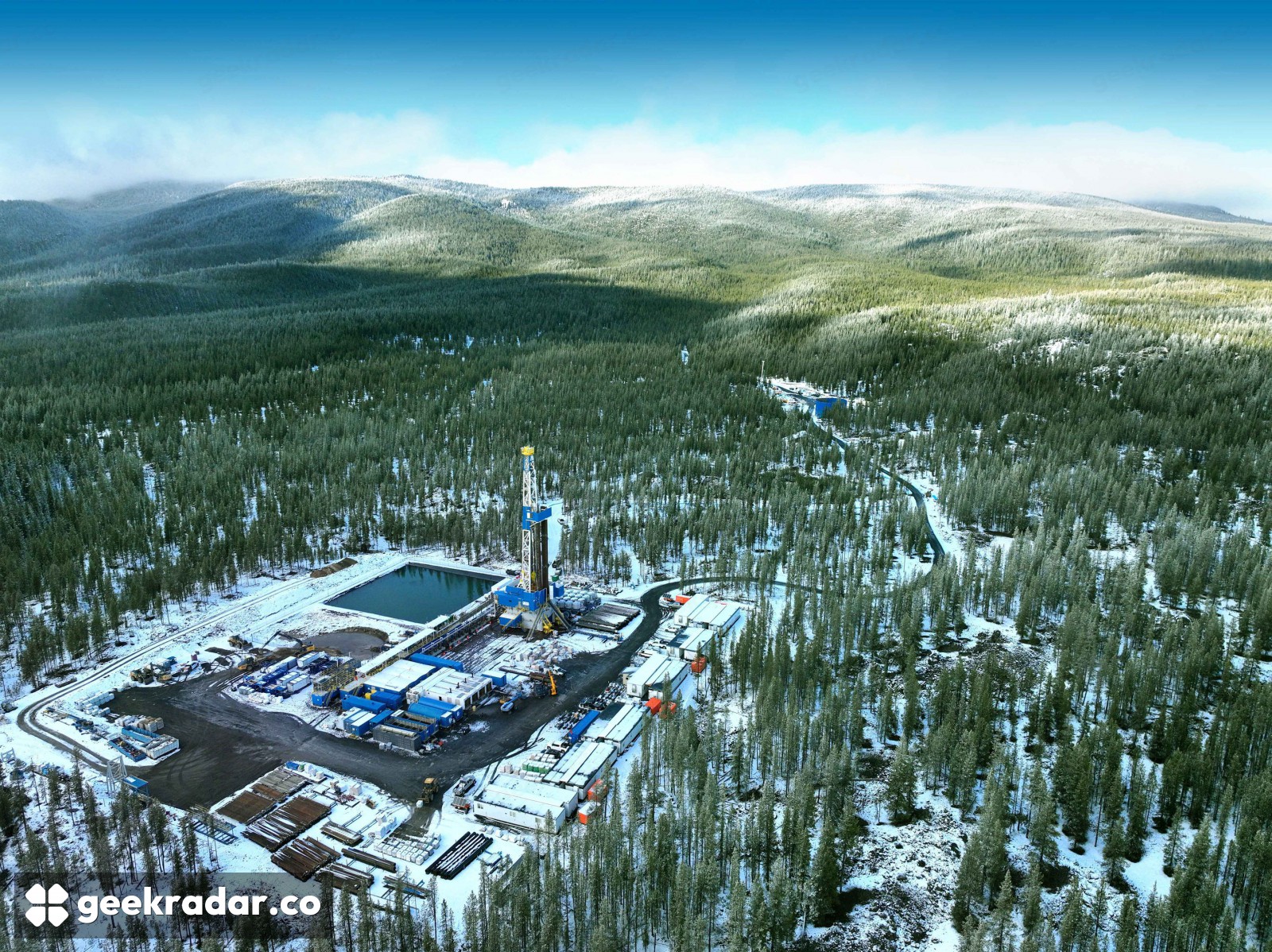
Google has agreed to buy 50 megawatts of geothermal power from the flank of Oregon’s Newberry Volcano, with deliveries possible as early as 2030. The first well has a more immediate job: find out what lies beneath the drilling pad. Project Obsidian has a customer for the electricity it hopes to sell. It still needs two more wells to show how much useful heat it can bring to the surface.
Under the agreement announced by developer Quaise Energy, the power would support the region’s grid and Google’s existing data centers in The Dalles. The companies declined to disclose the sale price to Oregon Public Broadcasting. The figure the parties did release, 50 MW, describes generating capacity. How much electricity a plant actually delivers over a year also depends on how often it runs and at what output.
Why the first well will stay on site
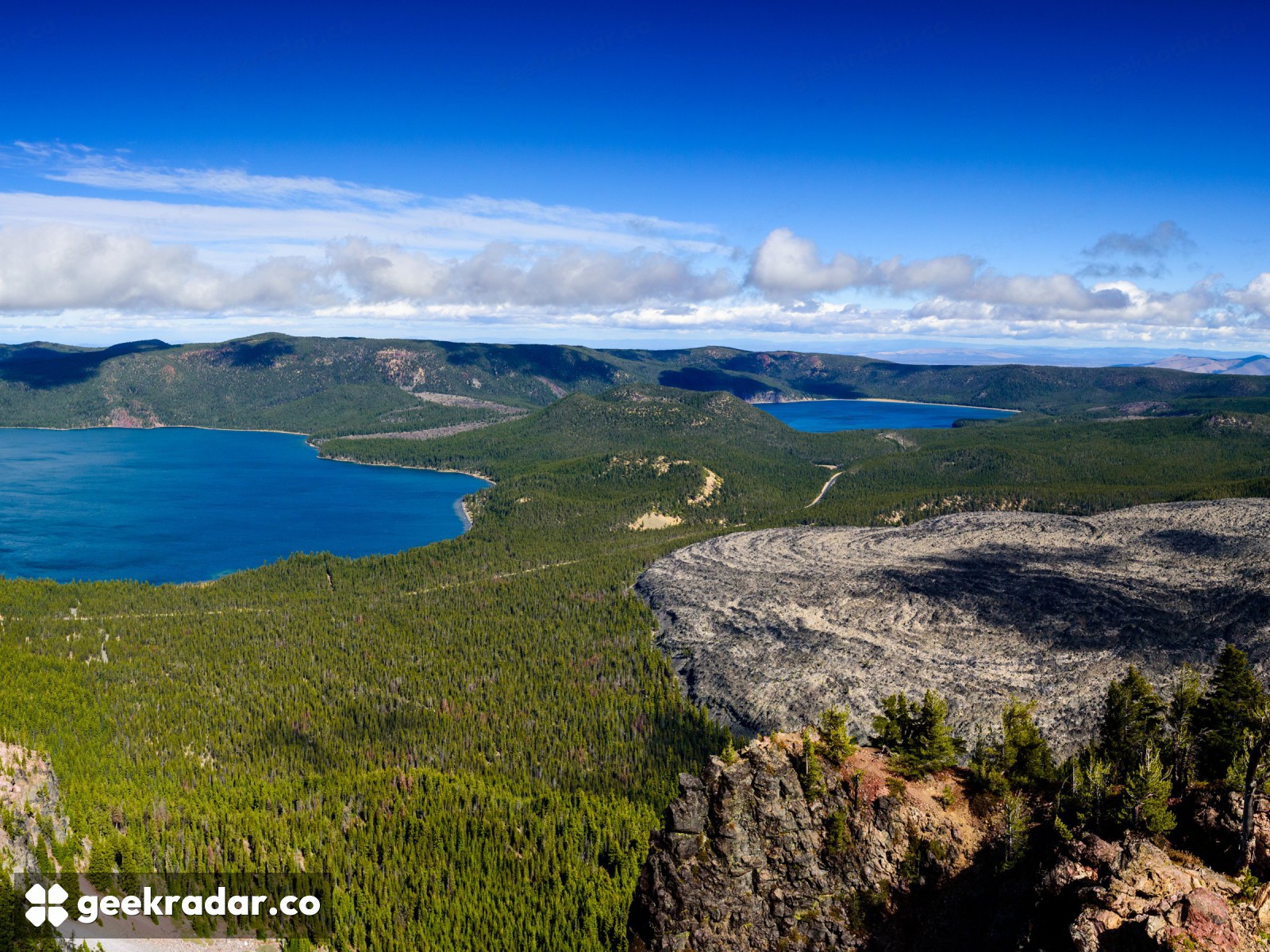
In an October update from the drilling pad, Quaise geologist Trenton Cladouhos put the confirmation well’s target at about 15,000 feet, or 4.6 kilometres, and 700°F, roughly 370°C. Those are drilling targets. A neighbouring volcano makes that heat plausible at a depth conventional drilling equipment can reach, but a temperature reading alone cannot tell Google how much electricity it will get.
Heat has to travel. Quaise intends to drill an injection well and a production well from the same pad, then connect them through the rock. Cooler water sent down the first should pick up heat underground and return through the second. The original well can then monitor what is happening below the site while the team tests that circulation. Both the temperature of the returning water and how much of it comes back per second matter to a future power plant.
Where the millimeter-wave drill fits
Quaise is developing a way to remove rock with high-power millimeter waves. Its aim is to reach very hot rock in places where the drilling would otherwise be too difficult or expensive. At Newberry, however, the geology offers a shortcut. Quaise says it will use conventional drilling for the initial commercial phase and expects to introduce the wave technology in a second phase. Google’s agreement therefore gives the company a reason to develop the field even before the newer drilling method proves itself there.
For a data center that draws power after sunset, geothermal generation has an obvious attraction: the heat remains available through the night. A long-term buyer can help a developer finance the work needed to tap it. As with Amazon’s proposed nuclear capacity in Indiana, the purchasing decision and the first electricity reaching the grid are separate milestones.
The next telling number in Oregon may be a flow rate. If the production well returns enough hot water over a sustained test, engineers can start translating a promising temperature beneath the forest into a defensible estimate of power at the grid connection. That is where Google’s 50 MW starts to become an engineering result.