Acer’s Atlas 8 reaches Germany, with configuration choices worth reading twice
An eight-inch 120Hz panel, two battery options and regional memory differences make the exact model essential to a fair comparison.
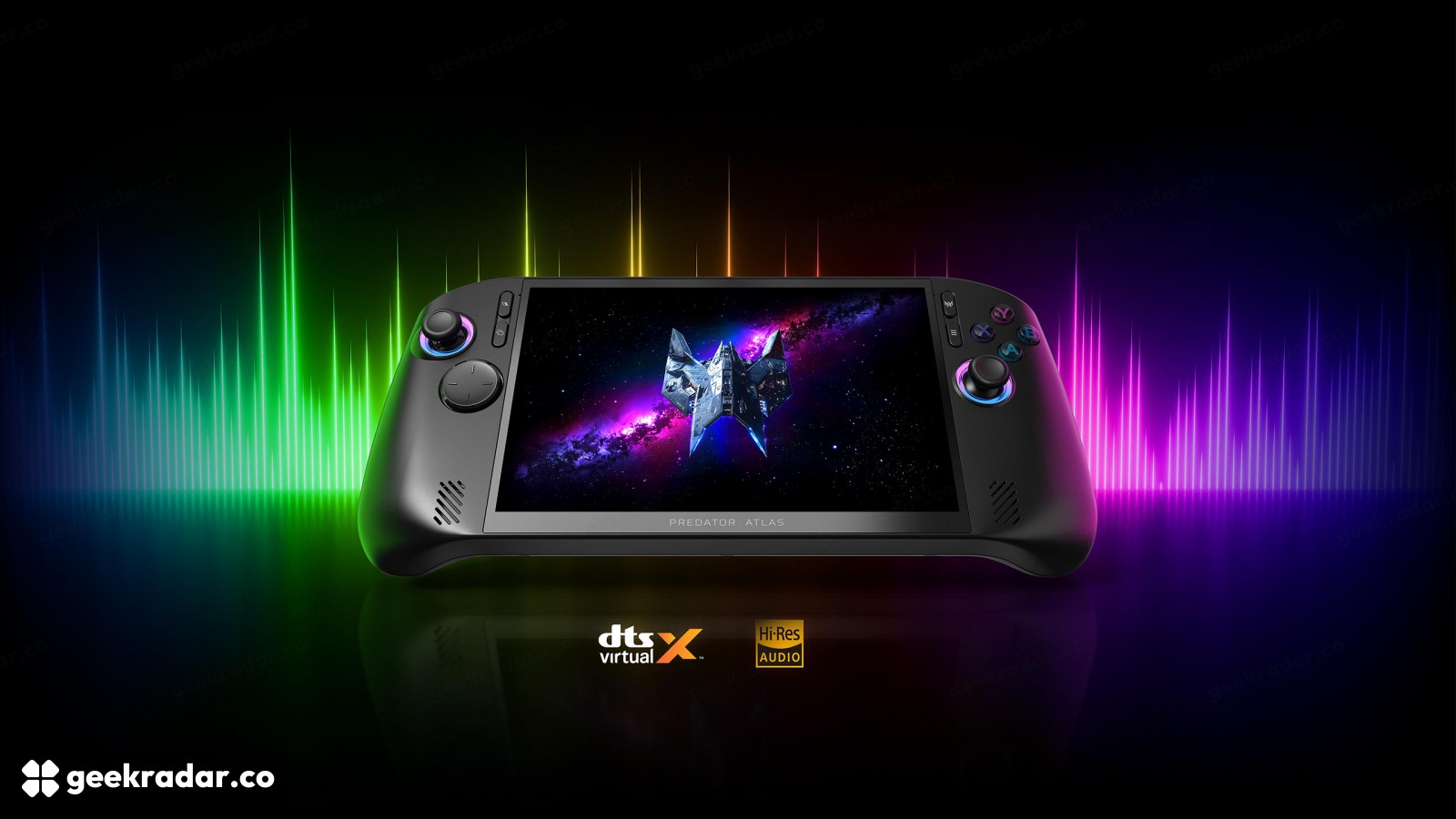
Acer’s Predator Atlas 8 is now on sale in Germany from €1,299, combining an eight-inch 120Hz display with Intel-based Windows handheld hardware. The specification sheet offers several processor, graphics and battery configurations, so the starting price should not be attached to every maximum listed on the page.
The German launch announcement, dated October 26, is a regional availability statement. It establishes the German launch and price; it is not a single worldwide offer.
A larger screen has costs as well as benefits
Atlas 8 uses a 1920 × 1200 IPS panel with a 16:10 aspect ratio, 120Hz refresh rate and variable-refresh support. The extra vertical space can be useful for interfaces built for a PC, while the eight-inch diagonal gives text and controls more physical room than a smaller panel at the same resolution.
None of that means games automatically run at 120 frames per second. The display’s maximum refresh rate is a capability, not a performance result. Variable refresh rate can help the display follow a changing frame delivery rate within its supported operating range; it does not create frames the hardware has not rendered.
Acer lists 500 nits of brightness. That is a manufacturer specification, not an independent finding about visibility in every outdoor condition. The glossy surfaces and the light around the player still matter to the viewing experience.
Two battery options change the comparison
The specifications distinguish 60Wh and 80Wh batteries, with weights below 770g and 810g respectively. The larger battery stores about one-third more nominal energy, but that does not guarantee one-third more play time across different configurations, power settings or games.
This is why handheld comparisons need the exact configuration. A heavier unit with a larger battery can be a sensible choice for longer unplugged use, while the extra weight is carried during every session. A headline capacity cannot decide which compromise suits someone’s hands or habits.
Those are options across the German announcement. Acer’s US product page lists up to 32GB of memory, versus 24GB in the German release: a concrete reason to check the regional configuration. Neither page should be combined into an imaginary base model with every maximum and the lowest price.
Controls and connections are part of the PC proposition
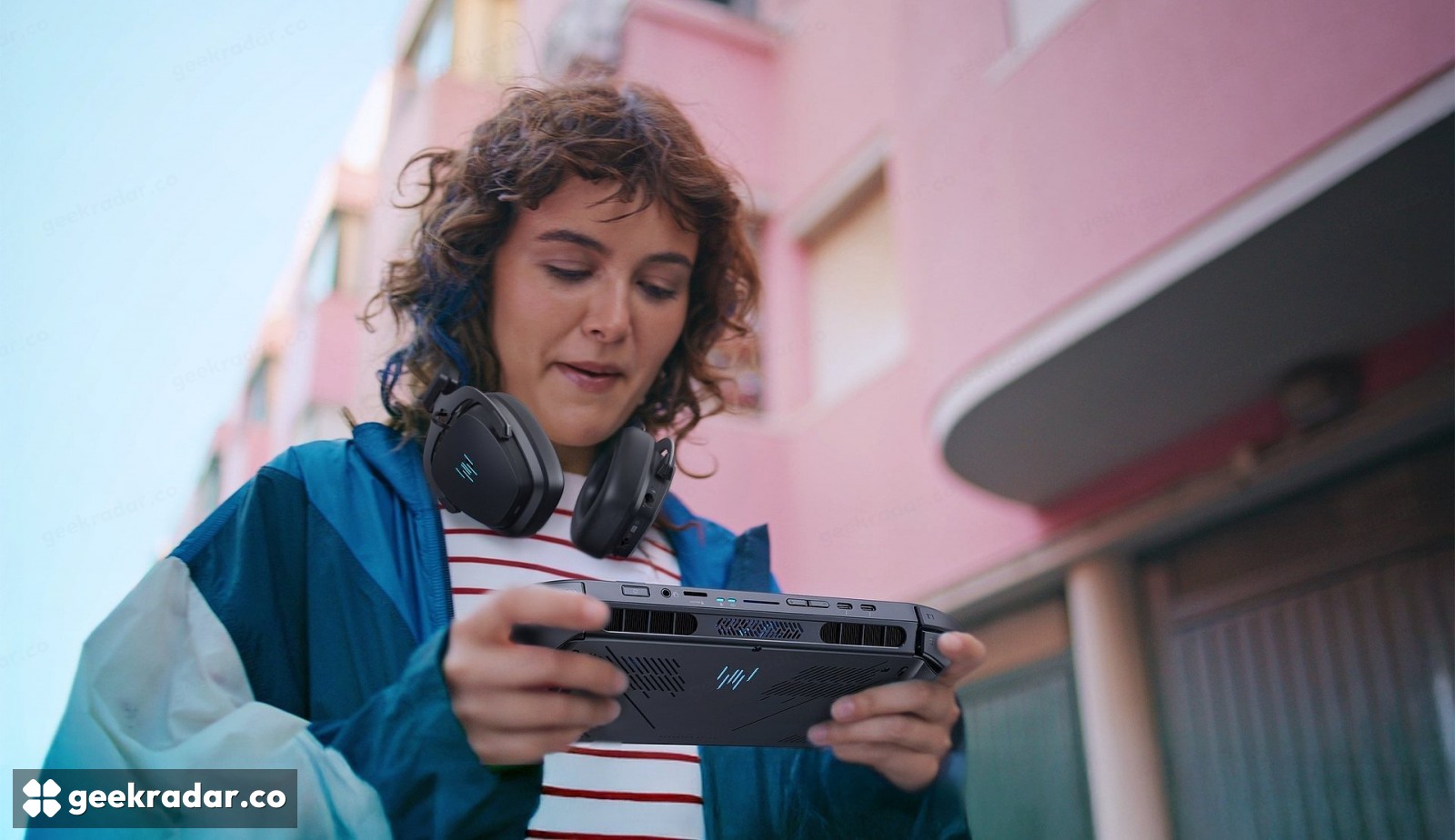
The product page describes TMR analog sticks and Hall-effect triggers, with adjustable trigger switching. These sensing technologies describe how movement is detected; they are not a blanket guarantee that no component can wear, fail or require calibration.
Two Thunderbolt 4 ports, a UHS-II microSD reader, Wi-Fi 7 and Bluetooth 5.4 broaden the ways the machine can connect to accessories or a desk setup. The two ports are particularly relevant when power, an external display and peripherals compete for the same small set of connections.
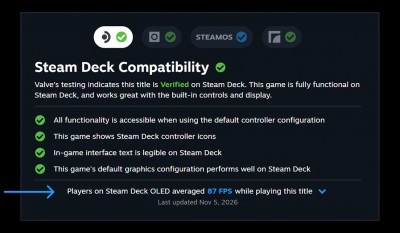
Windows also brings the familiar distinction between a game being available for the operating system and being comfortable on a handheld screen and controller. Our Switch 2 and Steam Deck comparison explains why library and interface requirements deserve attention alongside hardware specifications, even though Atlas uses a different operating-system route.
Atlas 8’s most interesting choice is how much PC flexibility Acer has retained in a device held in both hands. Before comparing its price with another handheld, match the processor, graphics and battery. Otherwise, the apparent winner may simply be the product whose specification sheet was read least carefully.