Pixel’s November Drop is a compatibility puzzle worth reading carefully
Gemini Intelligence reaches Pixel 10, but model, market and language limits differ across the update.
Google's November Pixel Drop brings Gemini Intelligence to the Pixel 10 family, excluding the 10a, while adding broader personalization options to older phones. But the update is not one uniform bundle: device generation, language, country and software version decide which parts arrive.
The November 10 announcement describes a rollout over the coming weeks. That timing matters as much as the headline feature list. A supported phone that has not received a particular option on the first day is not necessarily excluded, and installing an operating-system update does not by itself establish every server-controlled feature is enabled.
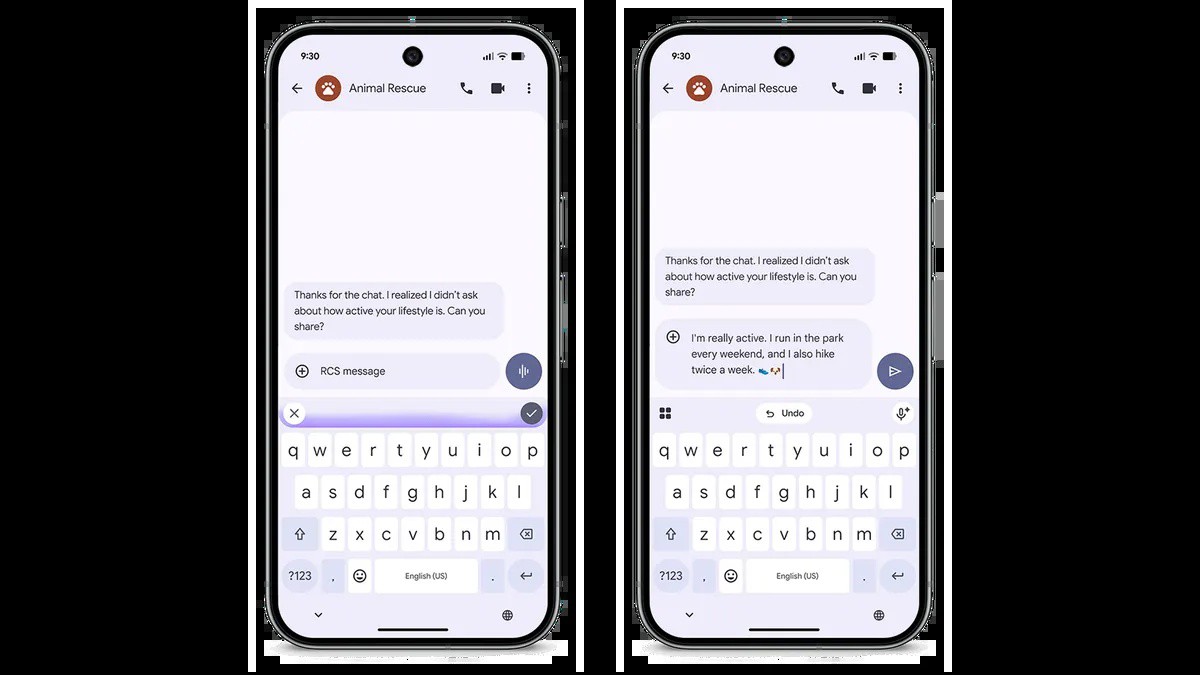
Pixel 10 gains tools that work on what you say
Rambler turns spoken input into more organized text, removing verbal clutter and applying formatting. Its practical attraction is reducing the cleanup between thinking aloud and sending a message. The tradeoff is that organization still needs to preserve intent: names, dates and qualifications deserve a final glance before sending.
The Gemini Intelligence expansion also includes proactive suggestions and generated widgets. A widget gives a recurring piece of information a visible place on the home screen, rather than requiring another trip into a conversation. That resembles the interface shift we discussed with persistent personalized spaces, although the products and their permissions are different.
The distinction within the Pixel family is explicit. Google's eligible Pixel 10 expansion excludes Pixel 10a; the shared generation number is not sufficient evidence of support. Our Pixel 10 profile and Pixel 11 Pro profile provide the device references behind those names.
Language support is not the same as geographic availability
Multistep tasks expand to Japan, the UK and India. Conversational Call Screen, meanwhile, is described for the Pixel 11 series in the United States. Neither statement is a worldwide rollout of every assistant feature.
Google also expands notification-summary languages, including German, French, Spanish, Italian, Hindi and Traditional Chinese. The accompanying software and device qualifications still apply. Support for a language in summaries does not imply that calls, multistep tasks and every other Gemini function acquire the same regional coverage.
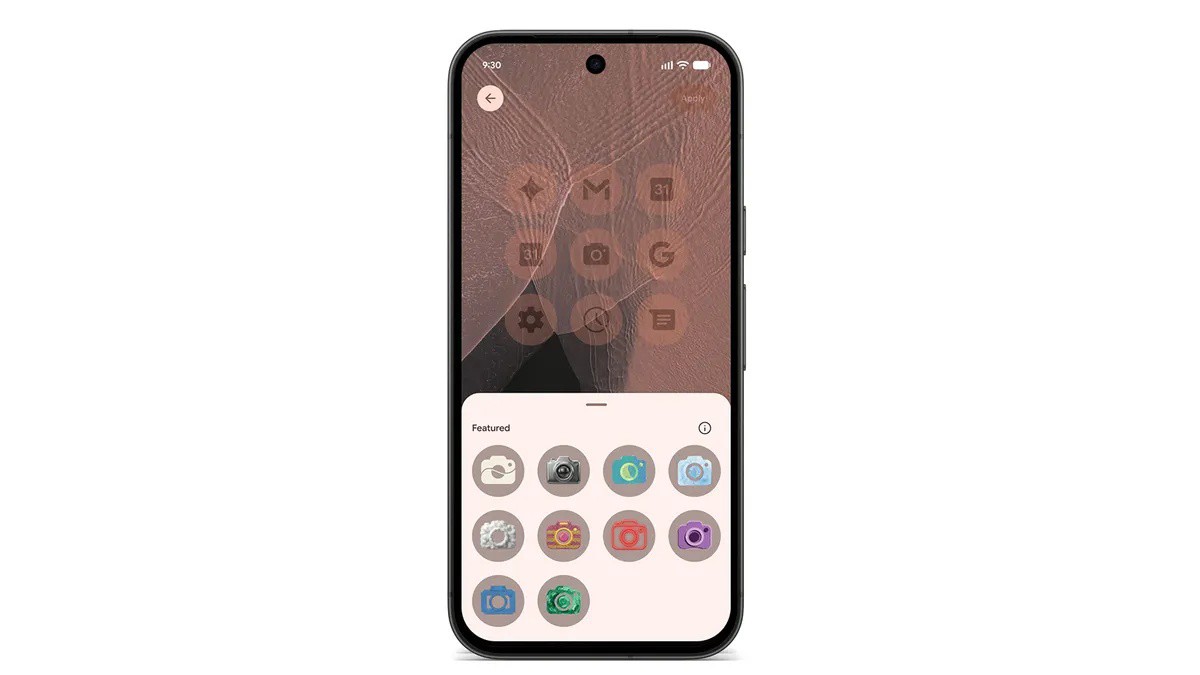
The least dramatic updates reach further back
Custom icon styles extend to Pixel 6a and newer, across regions and languages. They are a more broadly available change than the most attention-grabbing assistant features. For a phone used every day, a coherent home screen may be encountered more often than an occasional complex automated task.
Google also adds HiLight support in Messages on Pixel 11 Pro, Pro XL and Pro Fold. Nearby phone unlocking with a Pixel Watch depends on compatible ultra-wideband hardware on both sides and is due over the coming weeks. A Bluetooth connection alone should not be taken as proof of eligibility.
These additions sit beside the more specific Find Hub separation alerts already appearing for supported trackers. Each solves a different small interruption: recovering context, reaching a control or noticing something left behind. The useful measure of this Drop is therefore not the number of announcement bullets. It is which of those interruptions your particular phone can remove, in your language and market, without adding another layer of correction.