NASA’s next Moon rovers have to pass the wheel-and-spacesuit test first
The October update separates mockups, design reviews and future lunar delivery. Remote operation makes these vehicles more than astronaut transport.
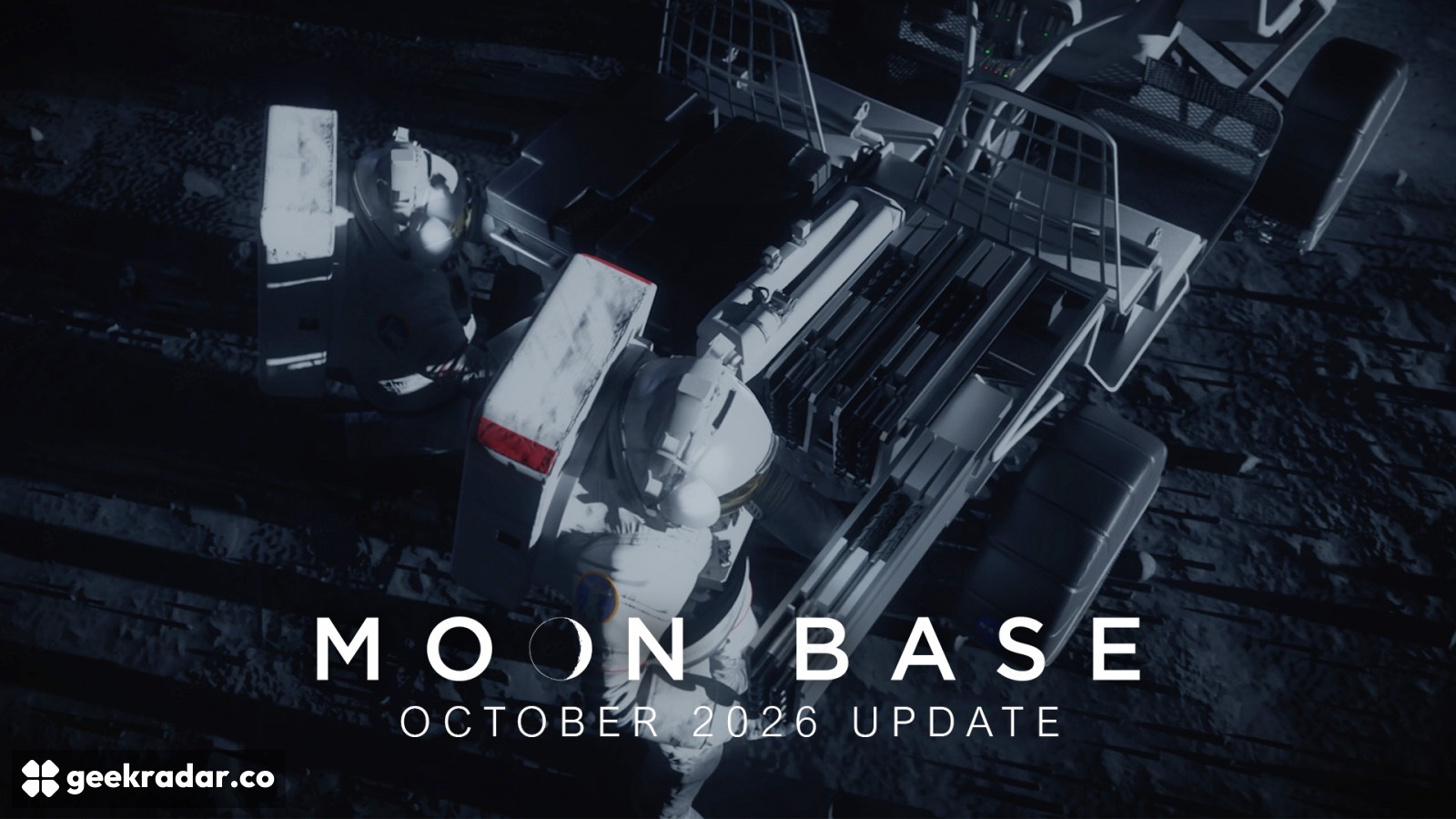
NASA’s latest Moon Base update puts the next lunar rovers through a decidedly earthly checklist: wheels in simulated soil, astronauts inside mockups, and design reviews before flight hardware. The 20 October progress report describes how vehicles from Astrolab and Lunar Outpost are being prepared to work both with astronauts and remotely, before crews arrive.
That dual role is the important change from thinking of a rover simply as a car for a moonwalk. An unoccupied vehicle can survey terrain and collect operating data between crew visits. NASA wants the same mobility infrastructure to help establish where astronauts can go and then carry them there.
Wheels, suits and the problem of getting around
The programme update describes Astrolab’s CLV-1 and Lunar Outpost’s Pegasus as the first phase of crew-capable Moon Base vehicles. Both companies are due to test their wheels at Glenn Research Center, using simulated lunar terrain to evaluate traction and mobility.
Crew testing addresses a different constraint. A vehicle can be physically large enough for two people and still be awkward to use in a pressurised spacesuit. NASA reports evaluations of cabin layout, displays, comfort and usability using mockups. Those tests belong before the design is fixed, when a reach, a sightline or a control placement can still be changed.
The agency says both providers are on schedule to deliver flight-ready hardware at the end of 2027. Delivery to the lunar south-pole region is planned by 2028 through Blue Origin under the Commercial Lunar Payload Services programme. These are milestones ahead, not vehicles already driving on the Moon.
VIPER has a different job
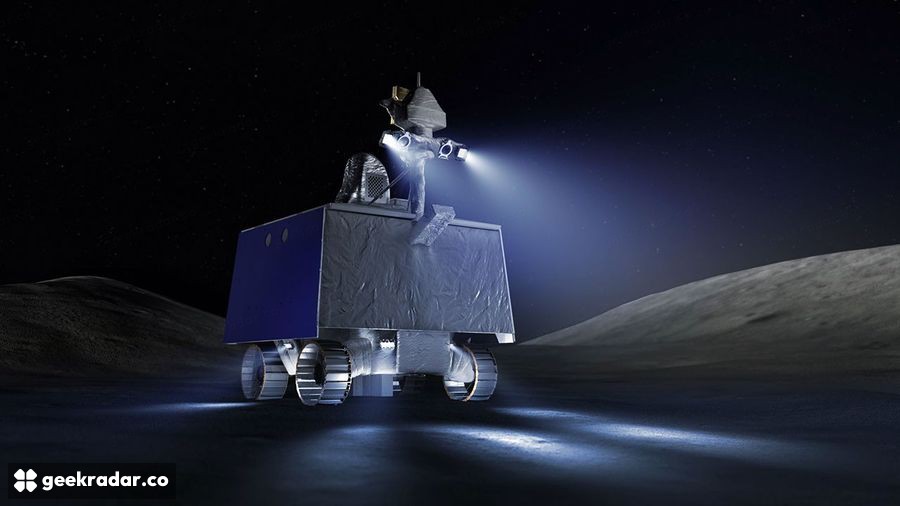
NASA’s update also covers VIPER, the robotic rover intended to investigate water and other volatiles around the lunar south pole. NASA says the vehicle is built and undergoing final testing at Johnson Space Center, ahead of a planned 2027 mission delivered by a Blue Moon Mark 1 lander.
The VIPER mission description helps explain why this is complementary to astronaut transport. Finding where resources occur and understanding their surroundings is a scientific task. Carrying people and equipment through that environment is a mobility task. Progress in one does not make the other unnecessary.
There is a practical link: resource maps are more useful when future missions can reach the locations they identify. Conversely, knowing a rover’s usable routes, power constraints and operating conditions helps turn a promising point on a map into a feasible destination.
A timetable with several dependencies
NASA’s CLPS overview explicitly acknowledges the risks of commercial lunar delivery. A completed rover must still survive launch, transit, landing and the environment at its destination. Counting a hardware handover as a lunar capability would skip the most consequential part of the journey.
The update’s value is therefore in the intermediate evidence. Tests of wheels and crew interfaces are modest beside a Moon Base rendering, but they answer questions that a rendering cannot: whether the vehicle can move over difficult ground and whether a suited astronaut can actually operate it.
For the broader space programme, success will mean more than adding kilometres to a specification sheet. A useful lunar rover must make the terrain more accessible without making the crew’s return dependent on an assumption nobody tested on Earth.
Images: NASA; VIPER concept by NASA/Daniel Rutter.