Volkswagen’s small EV family needs a closer look than its headline price and range
Nearly 150,000 orders span four models, according to the group. ID. Cross illustrates why battery, trim and local terms must stay attached to every comparison.
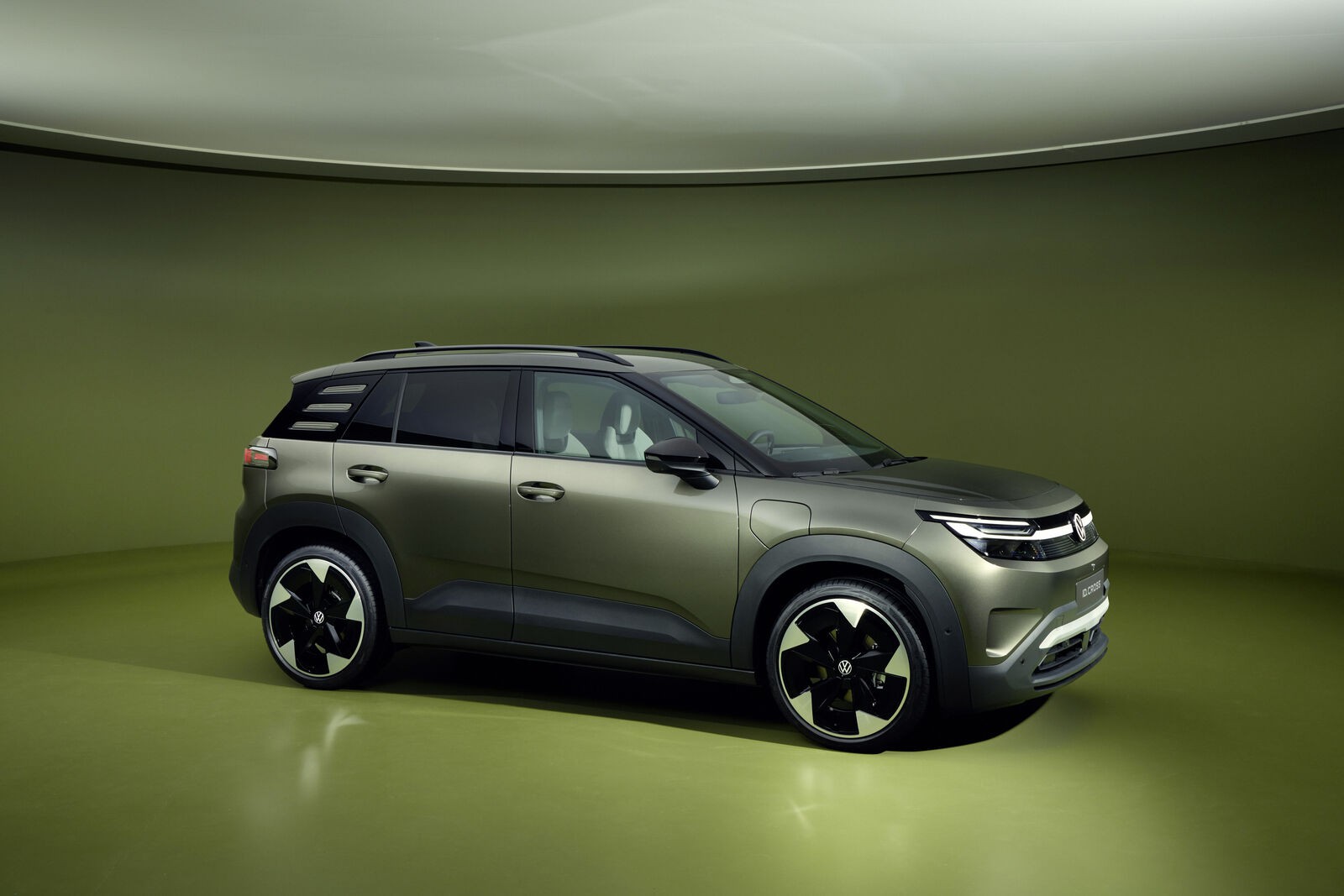
Volkswagen's small electric-car programme is becoming a range of purchasable choices rather than a sequence of concepts. At the Paris motor show, the group brought together the Cupra Raval, Volkswagen ID. Polo, Škoda Epiq and Volkswagen ID. Cross, reporting nearly 150,000 orders across the family in its 11 October announcement.
That is a manufacturer-reported order total across four models. It is not a delivery figure, a breakdown by country or proof that every advertised entry version is already obtainable. For buyers, the interesting question is how a shared electric platform becomes a specific car at a specific local price.
Shared hardware does not create one universal offer
The family uses the group's MEB+ platform. Sharing engineering can spread development and production work across several vehicles, while the cars still differ in packaging, equipment and commercial positioning. A common foundation is therefore useful context, but it is not a reason to assume identical range or charging behavior for every version.
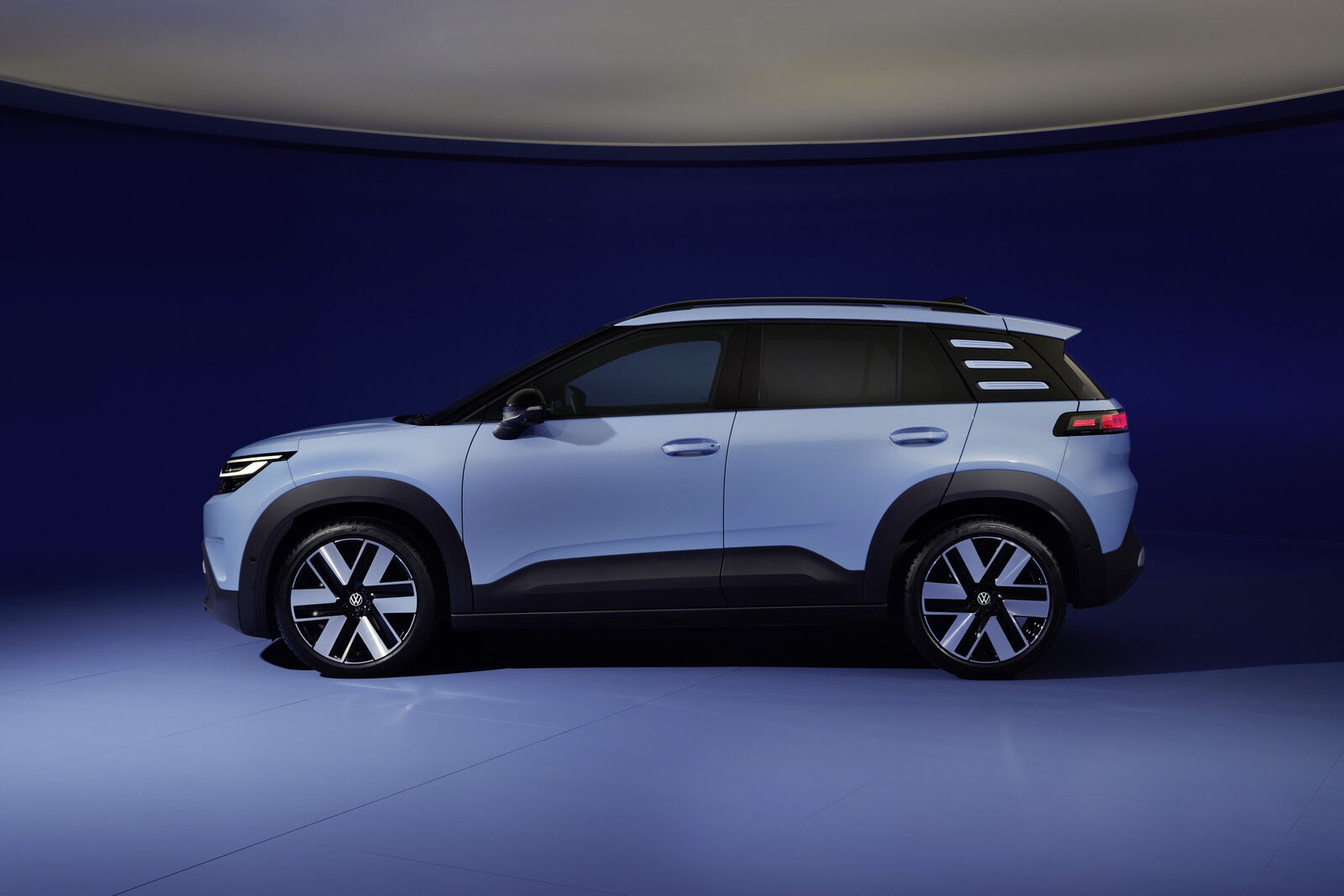
The ID. Cross model information illustrates the choices involved: two battery sizes, 37kWh and 52kWh net, and several motor outputs. Its launch materials describe a starting price around €28,000 and a range of up to 427km under WLTP. The largest range figure should not be attached to the cheapest version unless the configuration actually matches.
That combination of a low entry price and a high maximum range is a common source of confusion in car launches. Each can be accurate independently while describing different cars. The comparison becomes useful only when battery, trim, wheels and included equipment remain attached to the number being discussed.
A smaller battery is a tradeoff, not an automatic defect
For someone who can charge regularly and mostly makes short trips, carrying a larger battery may provide less everyday benefit than its headline range suggests. For someone dependent on public charging or frequent long journeys, the reserve between charging stops can be much more valuable. The same hardware choice can therefore produce different value judgments.
WLTP is a standardized comparison, not a promise of identical distance in all conditions. Temperature, speed, load and auxiliary consumption affect the energy required for a trip. A range discussion that omits those conditions can make a vehicle look either better or worse than its actual role warrants.
Charging needs similar care. A peak power figure describes one point, whereas a road stop depends on the energy added across the relevant part of the battery's charge window. The driver's available charger and the battery's condition also matter. The practical comparison is a compatible vehicle-and-charging routine, rather than one isolated maximum.
Italy needs its own configuration check
European availability makes this family relevant to Italian buyers, but a German or group-level announcement does not establish the Italian list price, financing terms, incentives or delivery date. Those should be verified against the local offer for the selected model. A monthly payment is especially incomplete without its deposit, duration and final payment conditions.
The Volkswagen Brand Group Core overview explains the organizational cooperation behind the shared programme. Its commercial test is now whether that cooperation produces cars people can obtain in the configurations that make the affordability claim persuasive.
GeekRadar's consumer technology coverage follows the same distinction across devices: an announced capability matters when it reaches the product a person can actually buy. For the ID. Cross and its relatives, the decisive document is the complete local configuration and purchase offer, with the battery and range numbers kept on the same line.