Why Netflix’s Cinderella film Steps stopped being a musical
Ali Wong voices a stepsister who takes the Fairy Godmother’s wand. Before the November 20 premiere, the directors explain the turn toward comedy and the candy-wrapper look of their fairy-tale kingdom.
The directors of Steps began with a musical. By the time their animated take on Cinderella reached its final form, they had a comedy with a JENNIE song, a Kris Bowers score and a good reason for keeping those jobs separate. The film arrives on Netflix on November 20. Its starting point is the girl who usually has to stand to one side while someone else gets the magical transformation.
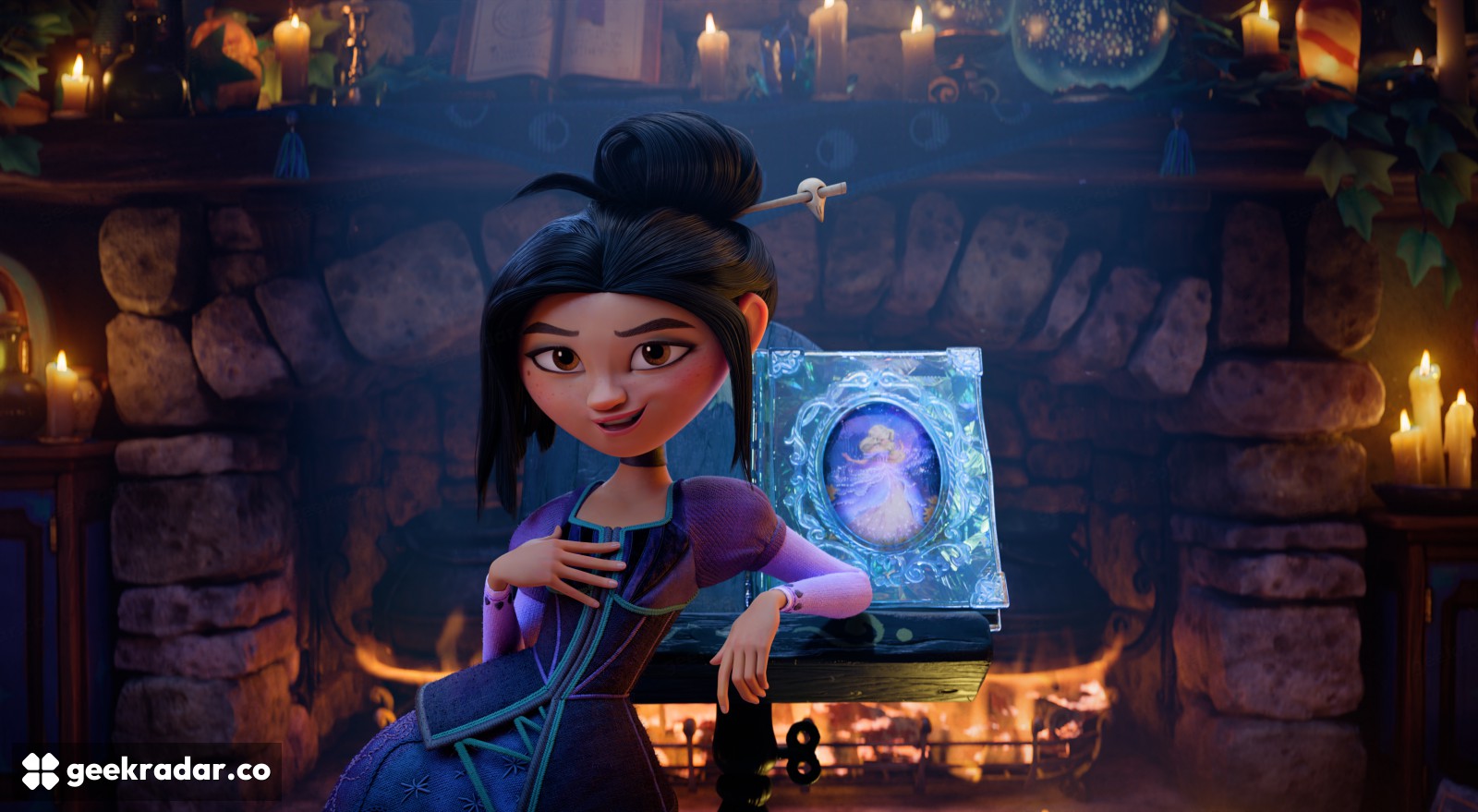
Ali Wong voices Lilith, one of Cinderella’s two stepsisters. Stephanie Hsu plays her sister Margot, Amanda Seyfried is Cinderella, and Bette Midler plays the Fairy Godmother in the English-language cast. The familiar wand changes hands when Lilith takes it for herself. That small change to the setup gives the ball a different meaning before anyone sets foot inside it. For Cinderella it is an invitation into a world that has shut her out. For Lilith it is further evidence that an invitation can arrive by magic and still be addressed to somebody else.
What happened to the musical
Co-director John Ripa told What’s on Netflix at Annecy that the team had been working on the film since 2020. As the comedy developed, a full musical felt less suited to the characters. The filmmakers kept both original songs and existing recordings. That distinction matters when the name bringing you to the film is on its soundtrack.
JENNIE performs “Someone to Hold,” her first song for an animated film. The studio’s lyric video lets listeners hear it separately. Seyfried, Rose Gray and EMEI also contribute original music, while Bowers composed the score. A voice credit tells you who plays a character. A soundtrack credit tells you whose work you can hear. Seyfried has both, while Wong gives Lilith her speaking voice.
A storybook made from unexpected materials
The two directors brought different Cinderellas to the drawing board. In an interview with Laughing Place, Alyce Tzue recalled hearing a Chinese version involving a girl and fish bones before encountering Disney’s Cinderella. Ripa remembered the 1950 animated film. For the look of their own kingdom, the team drew on French Rococo, then imagined how its furnishings might look to a child. Ripa’s examples are wonderfully specific: gold resembling a candy wrapper and wood with the appearance of chocolate.
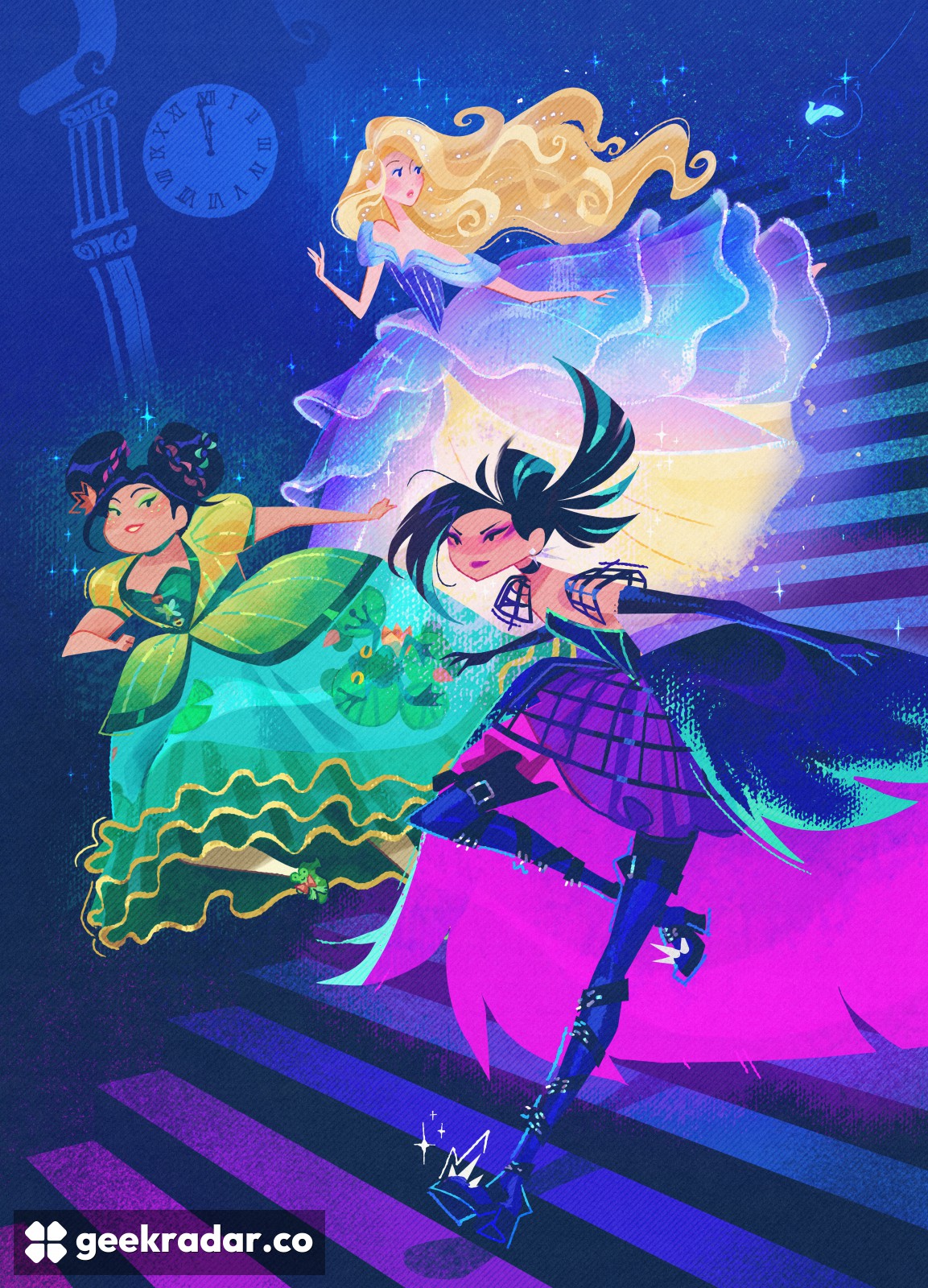
The studio’s development artwork offers another way into that idea. Three women share a staircase. The pale blue dress catches the light, but the green and purple skirts carry your eye down the steps, toward the two figures a conventional Cinderella illustration might leave at the edge. Long before a character has to explain how it feels to be overlooked, an illustrator can decide who gets the foreground.