Two films in nine minutes: a guide to the Smithsonian’s Native Cinema Showcase
The free online festival runs through November 27. Start with two shorts in Numu and Dené, or spend an evening with a basketball documentary or a comedy from Oaxaca.
Nine minutes is enough for a double bill at the Smithsonian’s Native Cinema Showcase. Start with Taylor Uchytil’s Do You Speak Paiute?, a four-minute film about keeping the Numu language in use. Follow it with Brittany Woods-Orrison’s We Get Better When We Tan Moose Hides, five minutes spent with Dené women in Alaska reviving a way of working with hides. Both are free to stream worldwide through November 27. Watch via the National Museum of the American Indian.
These films make a good pair because they put a different question to the viewer. Uchytil, who is Agai Dicutta Walker River Paiute, approaches language through family and community. You hear Numu as well as English. Woods-Orrison, who is Koyukon Dené, follows Kathleen Hildebrand and other women as they practise a skill together. The film is in Dené with English subtitles. The museum flags scenes of hunting, trapping and animal preparation, a useful detail if you’re choosing what to watch with someone else. The museum’s film-by-film programme and Native News Online’s festival coverage.
An evening on the court or in Oaxaca
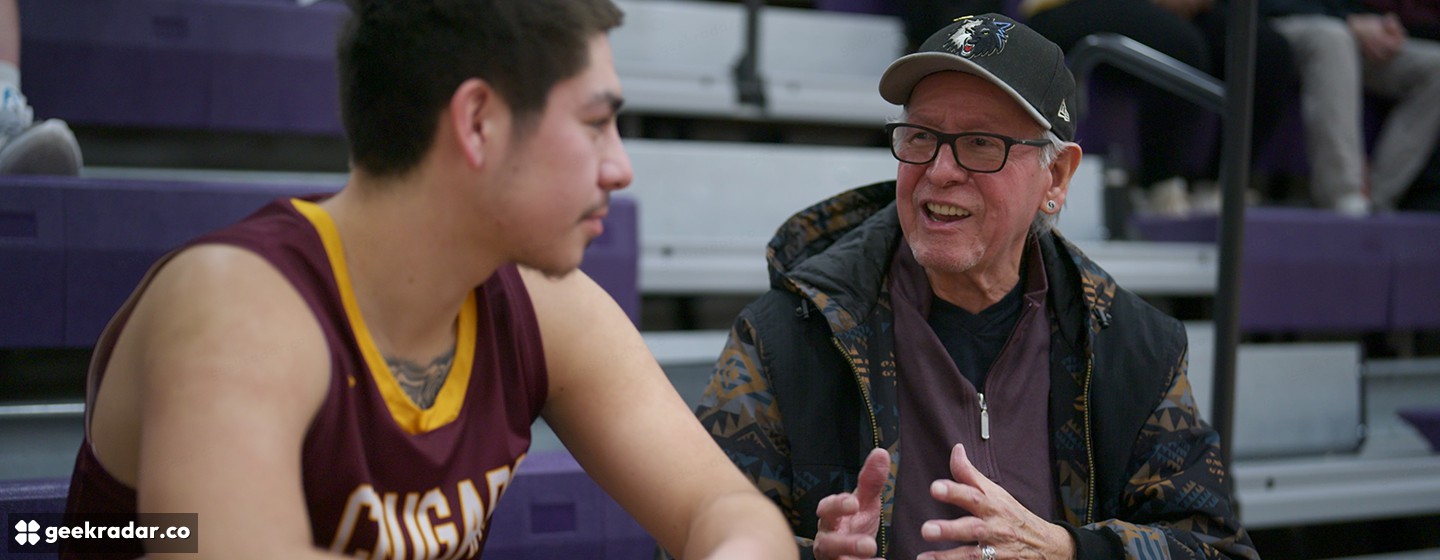
Two 80-minute features offer very different evenings. In Medicine Ball, director Leya Hale follows basketball players Lexus Redthunder and Leroy Staples-Fairbanks IV at the University of Minnesota Morris. The university stands on the site of a former Native boarding school. That makes the court a place where two histories meet: the players are building their college careers on ground with a much older meaning for their communities. Dakota historian Syd Beane brings his own family’s connection to basketball into the documentary. PBS on Hale’s film. For another sports documentary, see GeekRadar’s guide to the four drivers in Disney’s F1 Academy film.
For fiction, La Raya opens with the kind of find an enterprising eleven-year-old can appreciate. A refrigerator appears in a village in Oaxaca, and Sotera thinks she can sell it. Director Yolanda Cruz’s film is in Spanish and Chatino, with English subtitles. Look at the writing credit on the producer’s film page: alongside Cruz and Joe Sieder are the people of Cieneguilla. The community behind the story has a place in the credits as well as on the screen.
The feature films don’t have to be the starting point. If you only have a few minutes tonight, Uchytil and Woods-Orrison give you two languages, two communities and two ways of passing knowledge from one person to another.