What an IMAX ticket changes in The Hunger Games: Sunrise on the Reaping
More than 45 minutes use a taller 1.90:1 frame. Here’s how that changes the image and which label to look for when booking, without giving away the scenes.
The reason to seek out an IMAX screening of The Hunger Games: Sunrise on the Reaping is a change in the shape of the picture. More than 45 minutes of the film open up to a 1.90:1 frame, according to IMAX’s description, quoted by THGAustralia. That time is part of the feature. The UK’s classification record for the 2D IMAX version puts its full running time at 157 minutes and 59 seconds.
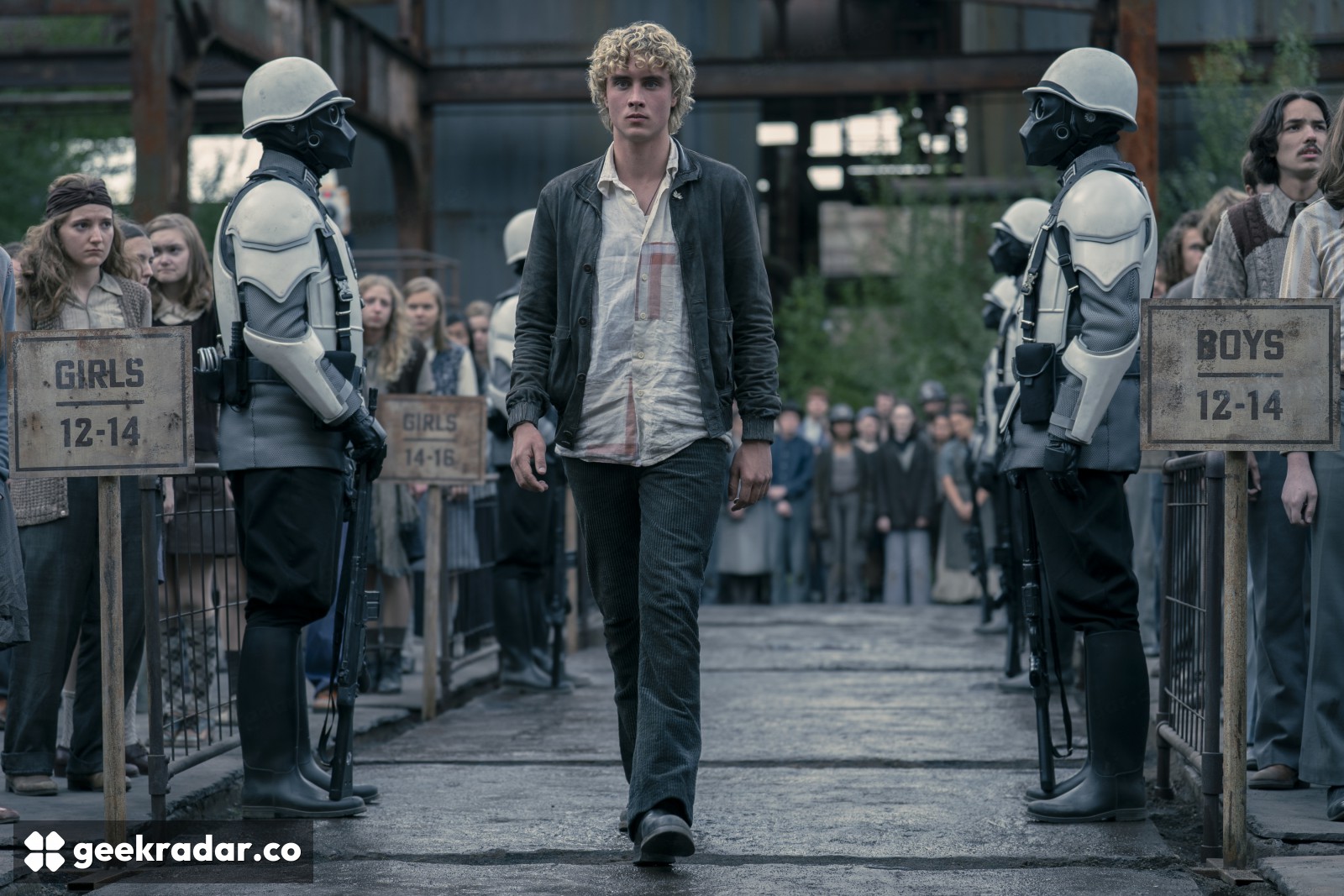
Francis Lawrence returns to direct this prequel, which follows a young Haymitch Abernathy, played by Joseph Zada, on the morning of the 50th Hunger Games. It takes place 24 years before Katniss Everdeen’s story. That’s enough to place the film in Panem without giving away the moment the frame changes. TheWrap’s opening-week coverage
What a taller frame gives the camera
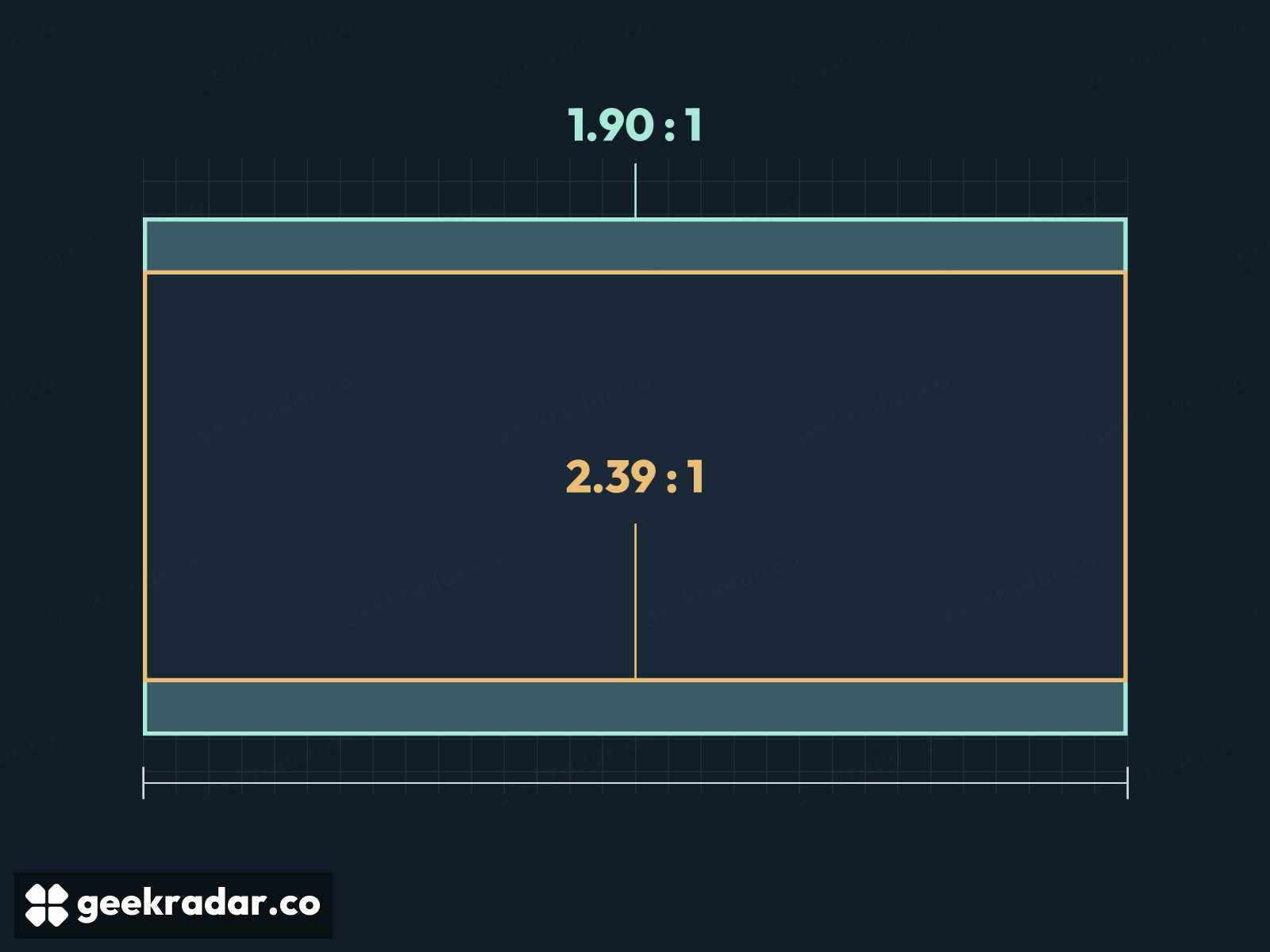
An aspect ratio describes width divided by height. Imagine projecting a 1.90:1 picture exactly 19 metres wide: it would stand 10 metres high. A 2.39:1 widescreen picture projected at that same width would be just under eight metres high. On paper, there’s room for roughly a metre above and below the wider composition. The diagram holds the width constant so you can see what changes. Individual theatres have different screens.
For a filmmaker, those two metres offer a choice. A close shot can keep a face the same size while leaving more of the space around it in view. Moving the projector’s zoom would enlarge the face along with everything else. Cinematographer Jo Willems described working with high-resolution digital cameras approved for IMAX, whose sensors allowed a taller composition. That distinction between how the image was captured and how it is projected also comes up in GeekRadar’s guide to the formats announced for *Dune: Part Three*. Willems’ comments on the camera choice
What to look for on the ticket
IMAX Melbourne confirmed a 4K laser digital presentation for its November 19 opening. Those labels answer different questions. “4K” describes resolution, “laser” identifies the projector’s light source, and the advertised 1.90:1 describes the shape of the image during the expanded sequences. A cinema can have laser projection in several auditoriums and book the IMAX version into just one. Melbourne’s presentation details
Check the format beside the individual showtime, especially if you also want a subtitled screening. If the taller composition is what you’re paying extra to see, an IMAX listing is the relevant promise. You can choose the right ticket without reading a scene list and still let the change in scale come as a surprise.