One Australian dish now commands two Mars orbiters on their usual radio band
Mars Express and the Trace Gas Orbiter can share a pass at New Norcia. A new coupler lets each keep its own X-band command link.
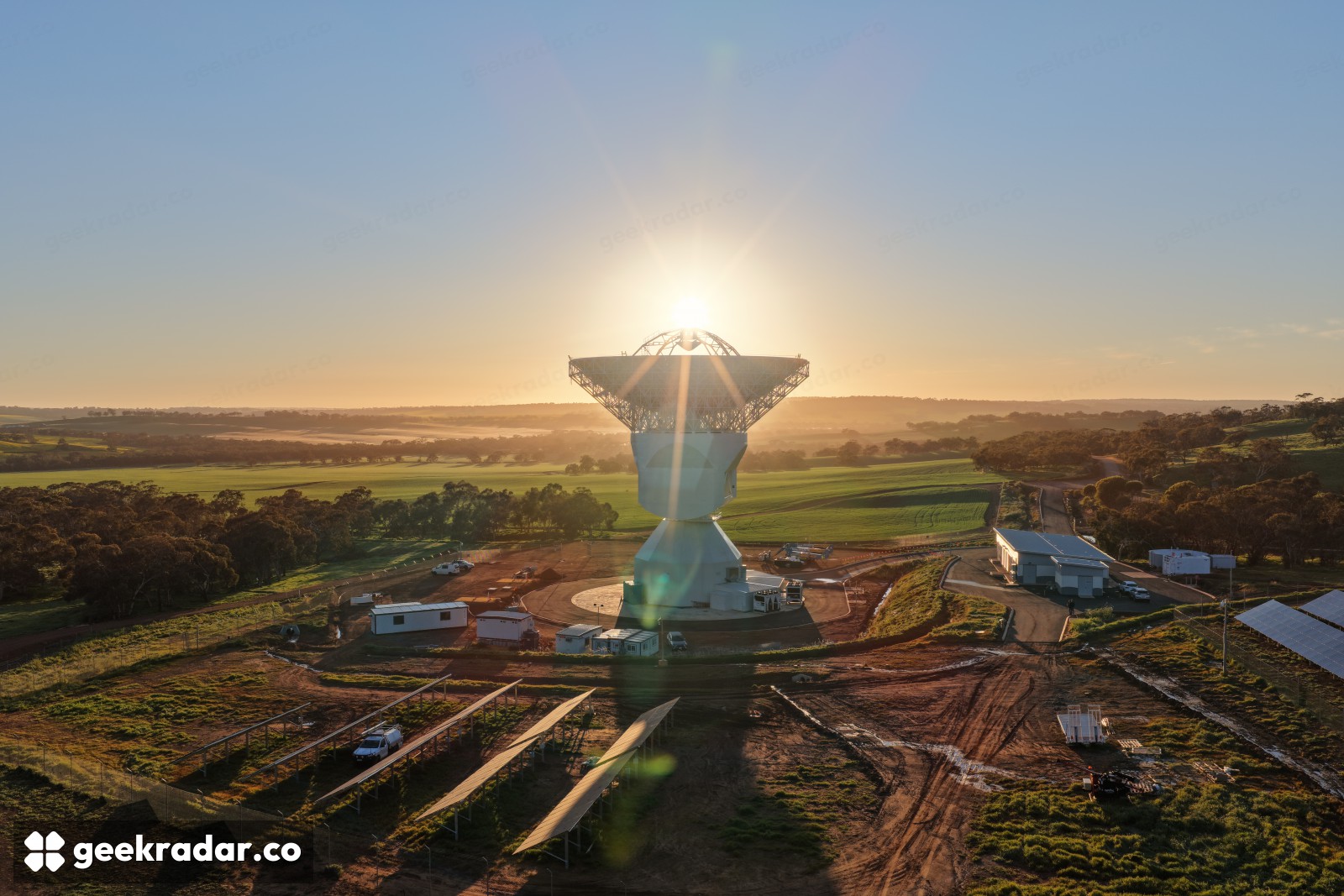
Two spacecraft circling Mars can now receive separate sets of commands from a single dish in Western Australia at the same time. The European Space Agency says its 35-metre Deep Space Antenna 4 at New Norcia routinely supports Mars Express and the ExoMars Trace Gas Orbiter during the same pass. Each orbiter gets its own radio frequency, and both can use their usual X-band links.
That last detail is what has changed. Back in 2020, ESA had already found a way to command the same two orbiters with one dish. It worked by asking one of them to listen on a frequency band originally intended for emergencies. The new arrangement described by ESA on November 19 gives mission controllers the scheduling advantage of a shared dish without having to make that switch.
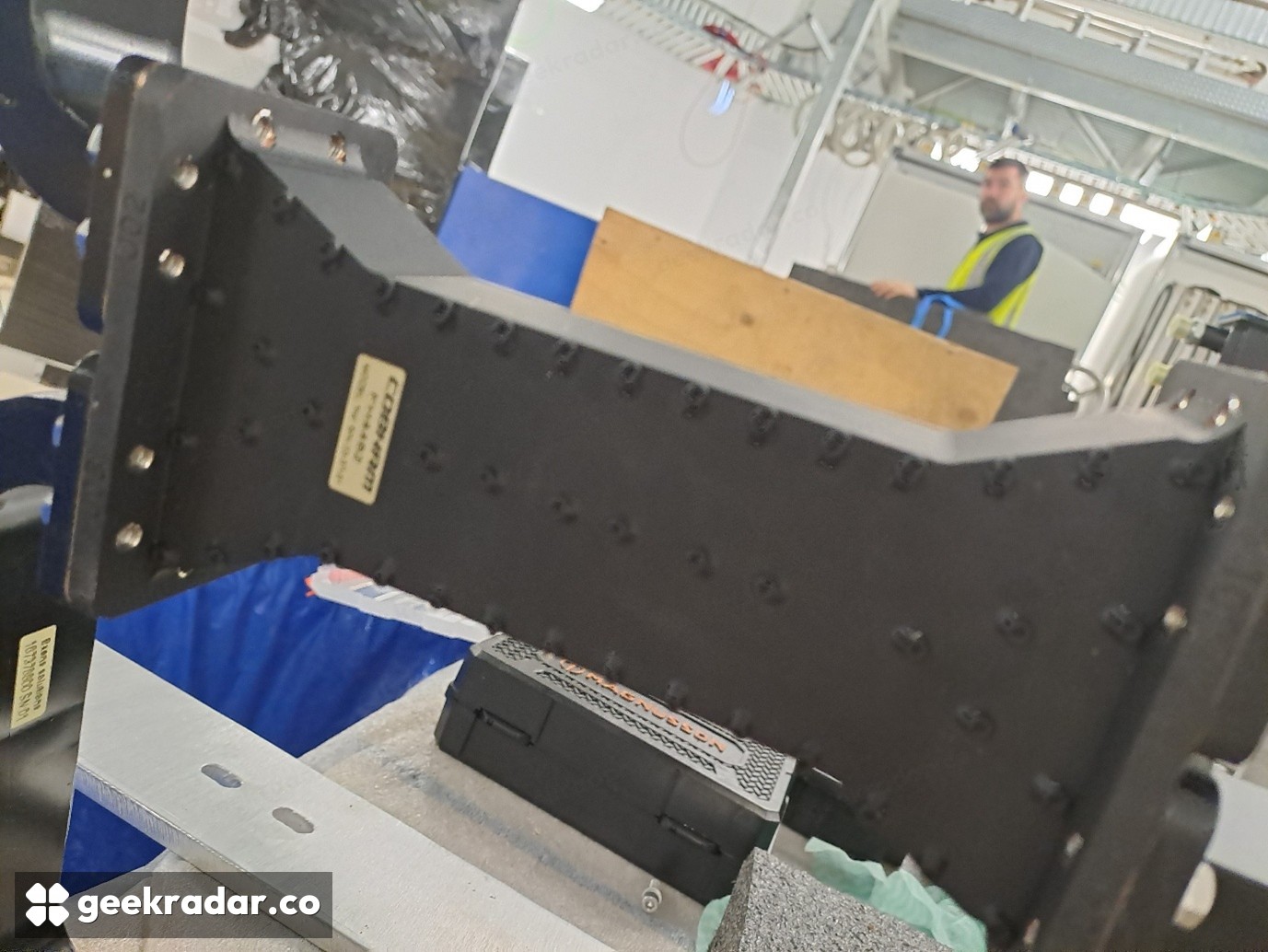
The hardware behind the second conversation
Seen from Earth, two spacecraft orbiting Mars can fit within the beam of a dish pointed at the planet. Listening to both is a familiar trick: receivers can pick out the different frequencies carrying their data. Sending independent commands in the other direction presents a different problem. The station has to put two powerful outgoing signals through the same antenna feed while keeping them from interfering with one another.
A component called a hybrid coupler, built by Thales Alenia Space, lets DSA 4 combine the two signals at the feed while keeping their paths independently controlled. The antenna still points in just one direction. Each spacecraft listens on its assigned X-band frequency. The two teams can therefore use the same period of visibility from Australia without one having to wait for the other to finish transmitting commands.
The original test, on January 30, 2020, was an inventive use of equipment already in orbit. Mars Express, launched in 2003, carries both types of radio. The older approach went on to reduce overall network load by around 16%, according to ESA. That figure belongs to the earlier arrangement. ESA has yet to publish a comparable saving for DSA 4. It has identified one practical gain: the weaker S-band link made the earlier configuration unsuitable when the Sun lay close to the Earth–Mars line of sight.
The constraint the dish cannot change
An hour on a deep-space antenna is a scarce resource. A 2023 audit of NASA’s separate Deep Space Network found that demand at times exceeded supply by 40%. Adding a second command link can make a useful dent in a schedule. It cannot shorten the time radio waves take to reach their destination, as Voyager 1’s much longer round trip illustrates.
The limit at New Norcia is easy to picture. If the next request comes from another spacecraft near Mars, it may fit inside the same beam. If it comes from a mission in a different part of the sky, someone still needs another dish. The resource ESA has gained is that second booking at Mars, even while the first is in progress.