Black Friday in the EU: which price counts when a shop says “25% off”?
Amazon’s sale is open. A €90 pair of headphones shows why yesterday’s price, the seller’s 30-day low and the best deal you can buy today can give three different answers.
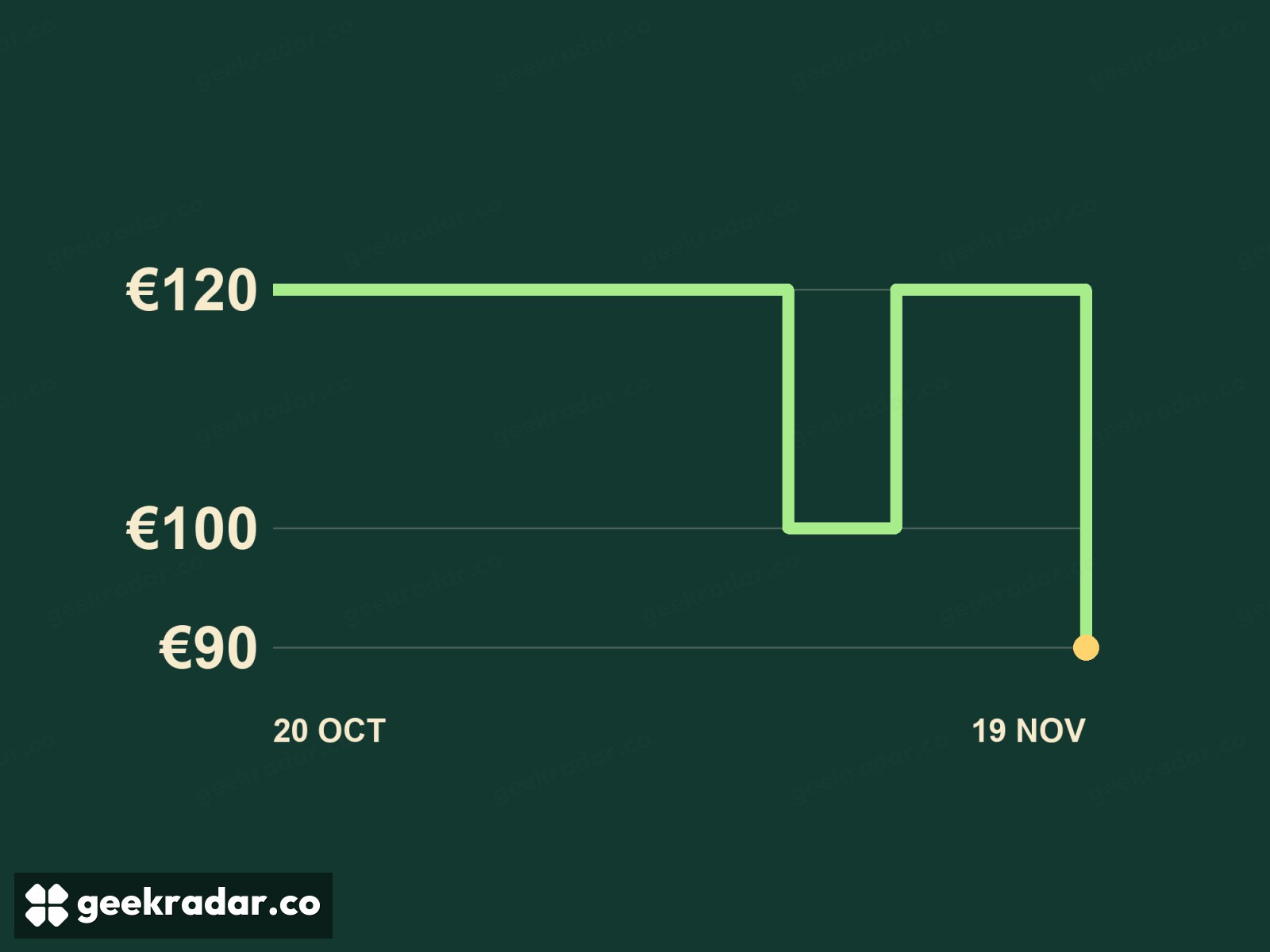
A pair of headphones that cost €120 yesterday is €90 today. Is that 25% off? For a shopper who nearly bought it yesterday, the arithmetic works. For a retailer advertising a price reduction in the European Union, one more number matters: the lowest price that seller charged during at least the preceding 30 days. If the same headphones were on sale for €100 last week, the reduction against that baseline is 10%.
That distinction is worth taking to Amazon’s European Black Friday sale, which runs from November 19 through November 30. The company says its Price History feature can show up to 365 days of pricing information. A year of prices and the legally relevant period serve different purposes. One helps you decide whether to buy. The other determines which saving a seller can advertise in an EU price-reduction announcement.
The supermarket case behind the electronics example
The Court of Justice of the European Union’s ruling in the Aldi Süd case began with a supermarket leaflet. In one of the examples before the court, a promotion showed bananas at €1.29 against a last selling price of €1.69. The lowest price over the previous 30 days was also €1.29. A shopper looking only at the larger, crossed-out number could reasonably think the offer had beaten a price it had merely matched.
The court’s September 2024 judgment addressed how a trader must calculate an announced reduction. Printing the previous low somewhere on the advertisement does not entitle a seller to calculate the headline percentage from a higher, more recent price. The ruling also covers promotional wording that stresses the advantage of the reduced price. This is a rule about a seller announcing a cut in its own price for goods. The example assumes a fresh promotion on an established product at an EU store. The same retailer can run a Black Friday sale in markets with different pricing rules.
What a longer price history can tell you
Start by matching the item and the seller. A marketplace page can offer several configurations under one name. A price from another merchant, for a refurbished pair, or for a model without the charging case answers a different question. Once you have the same offer in view, look beyond the depth of its sharpest drop. How often could you actually have bought it at the lower price?
Suppose those headphones also sold for €85 two months ago. That older sale would sit outside our example’s 30-day window. The current €90 price could still support the 10% reduction, even though you have seen a better deal. Conversely, another seller asking €88 today might offer a better purchase without displaying a discount badge at all. Delivery charges can settle a close comparison more decisively than either percentage.
For a different example of how the displayed price can differ from the amount you need to spend, consider a game that sells its currency in fixed packs. In both cases the useful figure is the one that answers your own buying question. For these headphones, the seller needs €100 to explain its discount. You need the delivered price of the pair you would buy instead.