Android’s worldwide developer checks start in January. Which copy of an app gets verified?
Seven stores join the first wave. For developers who also offer a direct download, the package name tells only half the story.
An Android developer who sells an app through Samsung’s Galaxy Store and also offers it on a website has a new date to plan around. Google says its developer identity checks will begin expanding worldwide in January 2027, starting with seven app distributors. Coverage of other installation sources on certified Android devices will follow over several months. There is no single January morning when every phone will start refusing the same download. Google’s November 19 announcement
The seven partners are Google Play, Galaxy Store, Honor, Oppo, Xiaomi, Transsion and Vivo. They also took part in the first stage, which began on September 30 in Brazil, Indonesia, Singapore and Thailand. What changes in January is the geographical reach. What matters to someone who gets an app directly from its author is the next step, when the check reaches that installation route as well.
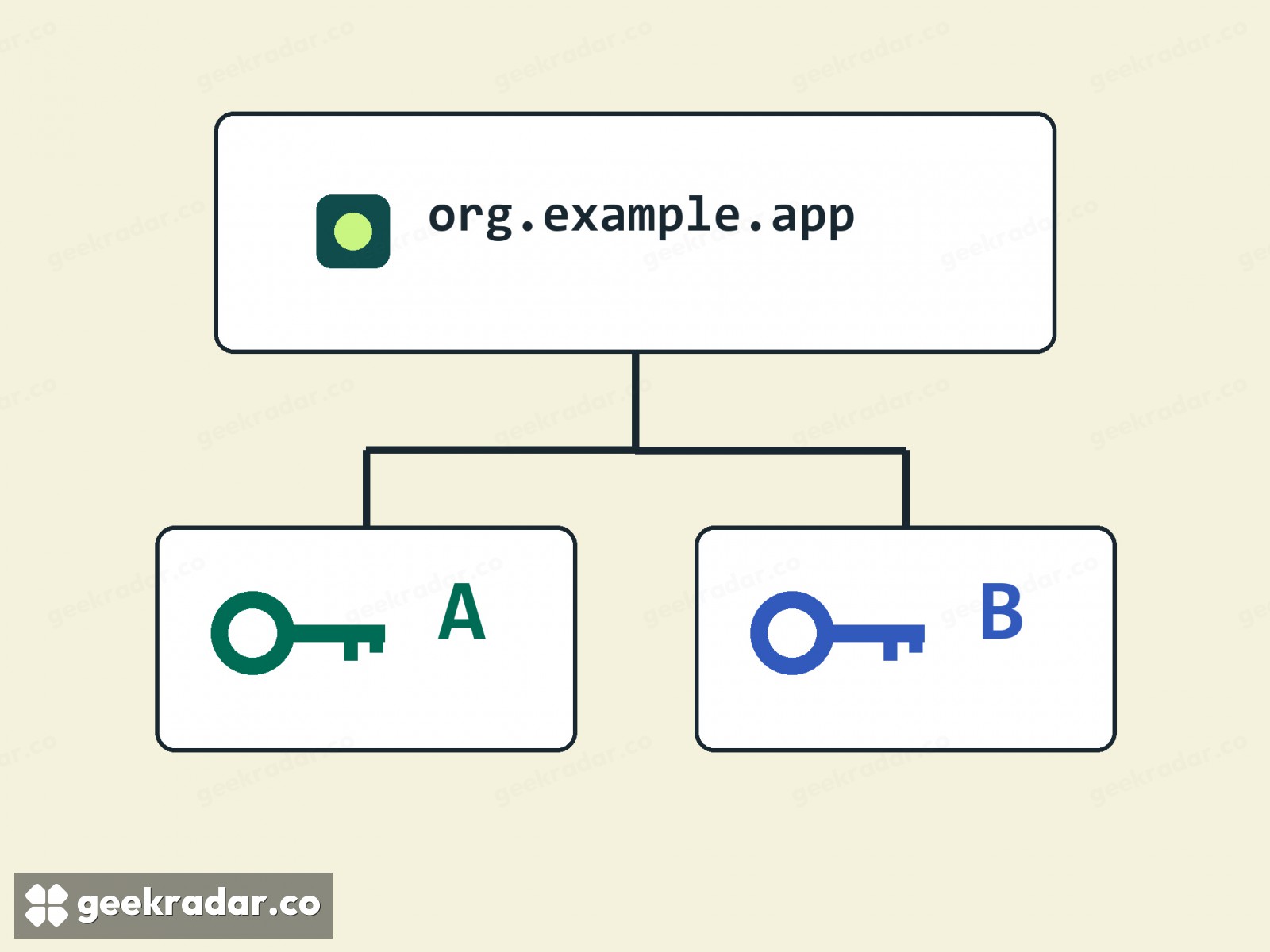
One app can have more than one signature
Consider a developer who lets a store sign its copy of an app but signs the downloadable version with a different key. Both files can carry the same package name, the identifier Android uses for the app. The signatures distinguish who signed each build. A developer checking just the store version could therefore miss the one customers download from the website.
Google’s guide for distributors spells out what a store can look up: the package name together with the fingerprint of the signing certificate. It recommends checking that pair when a developer submits an update or changes signing keys. Developers already on Play can review registration in Play Console, including for packages they distribute elsewhere. Those who distribute exclusively outside Play can use Android Developer Console. Registering an app leaves its author free to offer the download directly.
A different route for a classroom app
A student sharing a prototype with classmates can use a limited distribution account. Google has raised the allowance from 20 to 50 authorized devices, with no registration fee or government ID required for that route. Devices are the unit that counts here. A classmate testing on a phone and a tablet uses two places. For experienced users who choose to install an unregistered app, Google also retains a separate advanced installation flow.
Verification answers a narrower question than whether an app deserves access to your contacts or location. It gives the distribution system an identity associated with a signed package. The permissions it requests and what it does with them still deserve scrutiny. For a developer preparing for January, the most revealing test may be the one a loyal customer already performs: visit the project’s website, pick the download offered there and check the signature on that exact file. More GeekRadar Android coverage