Xiaomi 18 Pro goes global on November 17: the rear screen, the date and the remaining questions
Paris now has a confirmed launch time. Xiaomi previews the rear display, while regional specifications and a December software update still matter.
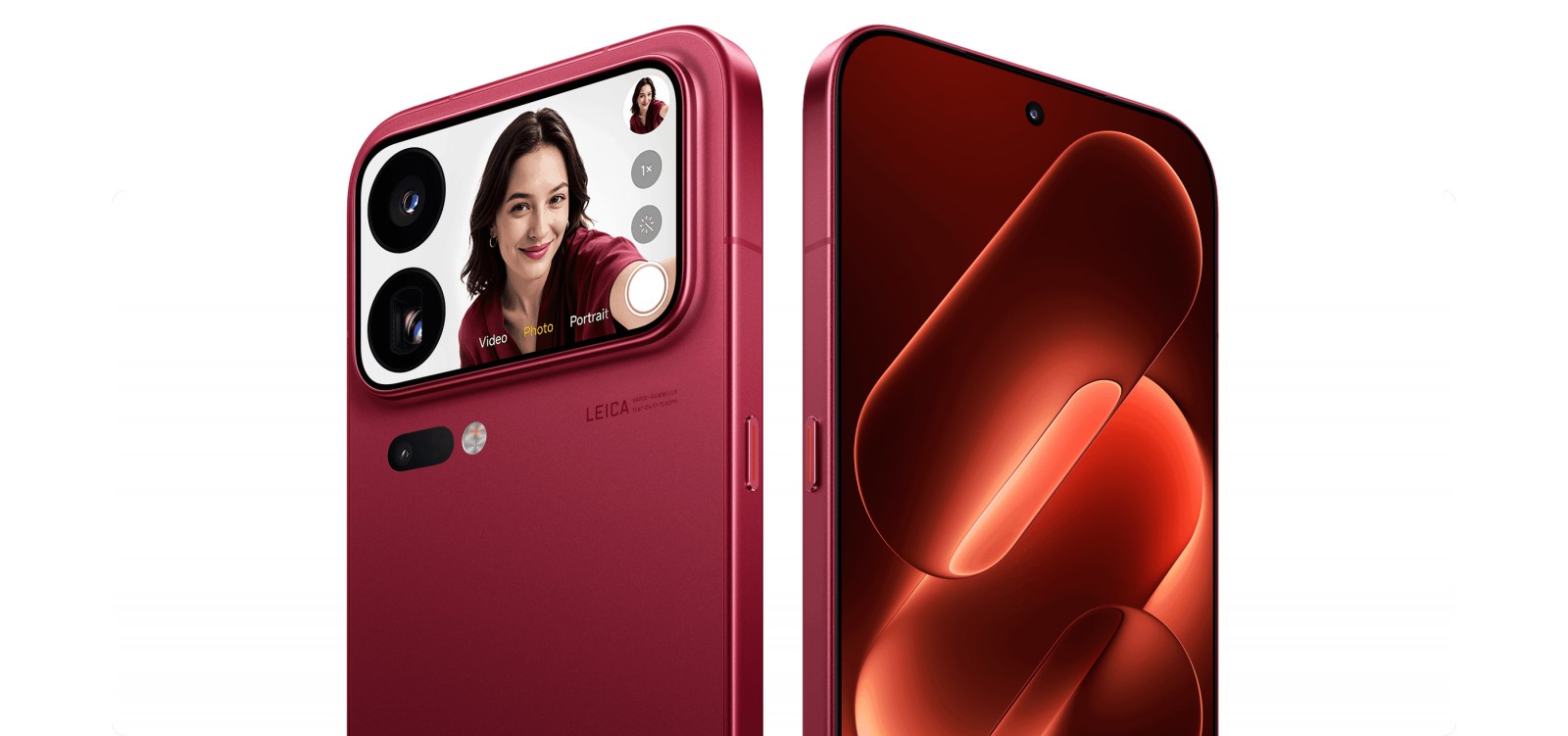
Xiaomi's rear-screen flagships now have a firm international appointment: the Xiaomi 18 Pro series will be unveiled in Paris on November 17 at 14:00 CET, or 13:00 UTC. The event covers the Pro and Pro Max, with White, Cosmic Blue and Velvet Red among the announced finishes. The launch announcement and livestream details give buyers something more useful than the November window Xiaomi had previously supplied.
This is the follow-up to our earlier international-launch report. The date is now settled; the purchase decision still depends on what Xiaomi sells in each market. An unveiling is a shared event, while prices, configurations and delivery dates can differ.

The rear screen has a practical job
The strongest reason to pay attention is visible before opening a specifications table. A display beside the rear cameras lets the person being photographed see the composition. For a solo portrait or a group squeezed into the frame, that changes the job of the rear camera: the person in front of it can also help direct the shot.
That idea has already been tried on the hardware. In TechRadar's September hands-on with the smaller Chinese-market Pro, Axel Metz used the rear screen to take selfies. He reported that shooting could be triggered by a wave or the volume button. This was an early encounter with that model, not a test of the international retail software.
The distinction is useful. It establishes a concrete camera interaction without turning an early demonstration into a verdict on battery life, image processing or everyday reliability. Our earlier rear-display explainer covers the underlying design; Paris will put the international proposition around it.
Some advertised features have a later start
Xiaomi's global preview says AI Wallpapers are due through an over-the-air update starting in December 2026. It also warns that AI availability varies by region and that usage limits apply. Buyers should therefore separate the rear display itself from every software example used to promote it.
That separation matters most when a particular feature is the reason to upgrade. A camera preview answers one immediate need; automatically generated decoration answers another. A promised update to the latter should not be counted as a feature already delivered with the former.
Xiaomi also promotes Privacy Display, while acknowledging that screen contents can remain visible from some angles or in some conditions. Reducing sideways visibility can help in a shared space; it does not make a screen confidential in every situation. The feature needs to be judged in the circumstances where it will actually be used.
Keep the international specification sheet separate
Battery capacity is a good example of why the regional distinction deserves more than a footnote. Gizmochina's launch report discusses suggestions of smaller international batteries but identifies the figures as coming from leaked code strings, rather than a final official specification. Those numbers should not become a buying recommendation.
Nor should the Chinese models' published capacities automatically fill the gap. A familiar product name and exterior do not establish identical internals. Until the international specifications are final, the Chinese sheet describes an alternative someone could import, rather than a guarantee about the phone sold locally.
For someone considering an import, the November 17 event now offers a near-term alternative to compare. The useful calculation is the complete local package: the exact configuration, final price and support attached to that unit. Xiaomi has made the rear screen an immediately understandable difference. The launch will matter when that difference comes with an offer buyers can actually evaluate.