Xiaomi 18 Pro Max puts its rear screen at the center of a camera flagship
The Chinese model combines a 2.9-inch rear display, two 200MP cameras and an 8,500mAh battery. European buyers still need a regional offer.
Xiaomi's 18 Pro Max makes a strong case for looking at the back of a phone before looking at its processor. Its rear display turns the camera side into an interface, while a large battery and two high-resolution cameras make the Chinese flagship more than a screen-placement experiment. For readers considering it from Europe, however, the first distinction is geographic: the specifications and prices discussed here are Xiaomi's Chinese listings, not a confirmed Italian retail offer.
This analysis examines the current Chinese model and the questions it raises for European buyers. The specifications below come from Xiaomi's official product page and its Chinese store listing.
Two screens change which camera you can use
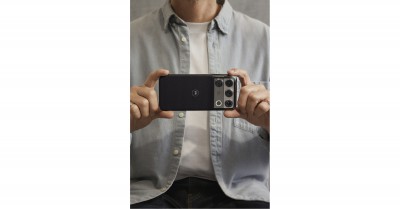
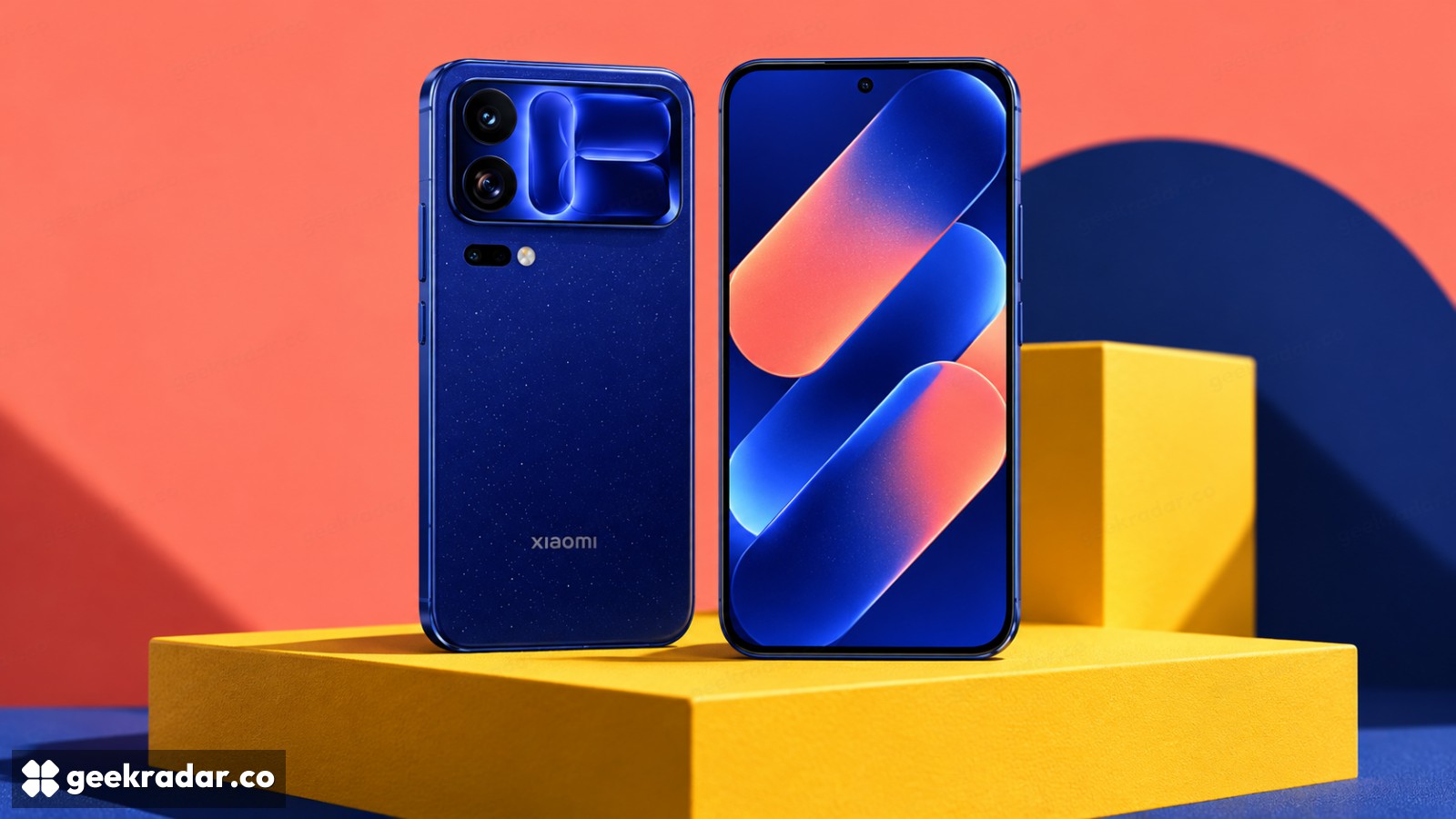
The Chinese listing specifies a 6.9-inch front display and a 2.9-inch rear display. The practical attraction of that second panel is its position beside the main camera system. A subject who can see the framing does not need to rely entirely on instructions from the person holding the phone. For a self-portrait, it also makes the rear-facing cameras less awkward to aim.
That is a useful physical change, but not a guarantee of better photographs. Framing and image quality solve different problems. A preview can help place a face within the picture; it cannot rescue motion blur, improve an unsuitable focal length or decide whether the processing has rendered skin convincingly. The rear display earns its place when it makes an existing camera easier to use, rather than merely offering another surface for animations.
It also creates a design tradeoff. More information is visible on the side normally facing other people. Owners will have to choose what they want that surface to display in a meeting, on public transport or while the phone rests on a table. A decorative wallpaper and a private notification are very different uses of the same hardware.
The camera numbers need to be read together
Xiaomi describes a 200MP main camera with a 1/1.28-inch sensor and a 200MP periscope camera with a 1/1.56-inch sensor, alongside a 50MP third camera. The telephoto specification includes 3.2× optical zoom. Those are manufacturer specifications, not results from a GeekRadar camera test. Xiaomi's camera description is the basis for these figures.
Resolution describes how densely an image is sampled. Sensor area, lens quality, exposure and processing determine what useful information reaches those samples. In a distant building's brickwork, extra detail may be welcome. In a photograph of a moving child indoors, shutter timing and motion handling can dominate the result. A megapixel total cannot settle both cases.
The same reasoning applies to the 8,500mAh battery listed by Xiaomi. It is a meaningful capacity specification, but hours of use also depend on display brightness, network conditions, camera activity and software. The second screen is another workload to manage. We should expect an endurance test to describe those conditions rather than convert capacity directly into a promise of days between charges.
A Chinese configuration is not an EU price
The store page checked for this story selected a 16GB/1TB model at CNY9,999. That is a configuration-specific listing, not the starting price of every 18 Pro Max. Converting that number into euros would still leave out local taxes, distribution, warranty arrangements and any regional hardware differences.
Those distinctions matter more than an imported specification table suggests. A buyer needs the software build, supported services and local support terms of the unit actually on sale. The broader lesson in our M1 Pro and Max retrospective was that the complete device matters more than its headline component. Xiaomi's rear screen makes that unusually visible. Within our Gear coverage, the 18 Pro Max deserves attention as a specific camera-and-interface design; an EU buying recommendation needs an EU product offering and independent testing.