Voyager 1 is almost a light-day away. Every reply will take the long route home
NASA dates the distance milestone to November 18, separate from the public celebration and mission discussion.
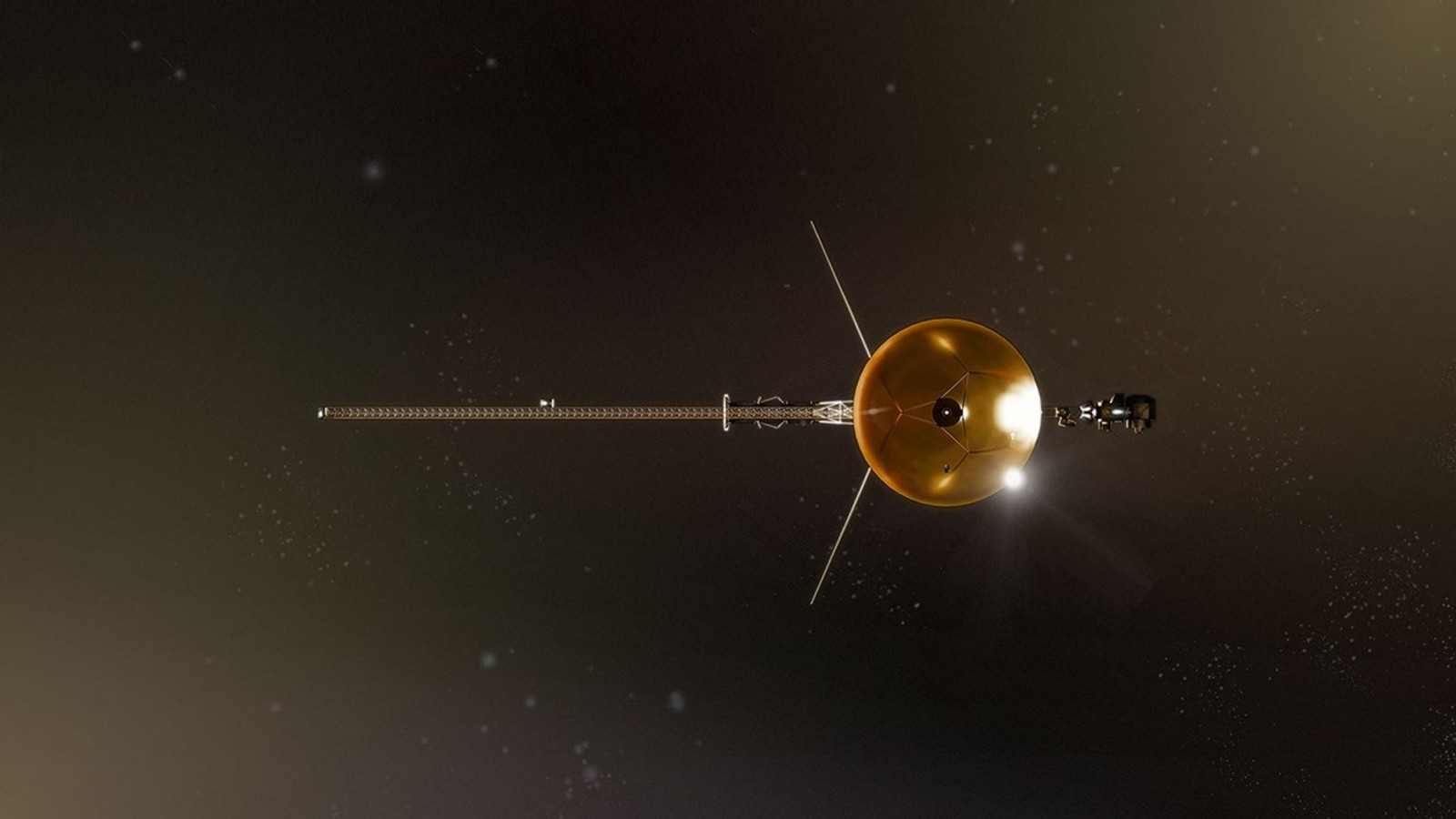
Voyager 1 is approaching a distance that turns a familiar communications problem into an extraordinary number: one day for a radio signal to travel between Earth and the spacecraft. NASA places the milestone on November 18. It is a measure of distance, not the probe suddenly slowing down, and it does not mark a new departure from the solar system.
The spacecraft entered interstellar space in 2012. This latest threshold describes how far away it has travelled since its 1977 launch, with the Earth-to-spacecraft distance reaching approximately 25.9 billion kilometres. NASA’s explanation of the light-day gives the crossing as 10:16:07 UTC on November 18.
A day out, another day back
Radio signals and visible light travel at the same speed in a vacuum. At one light-day, sending a command therefore takes roughly 24 hours before it reaches Voyager 1. An immediate acknowledgement would require roughly another day to return. That simple round trip excludes any additional time needed to execute a command, prepare a response or arrange a communications session.
It helps explain why a distant mission cannot be operated like a remote desktop. A control room cannot watch the result of a change as it happens and quickly undo it. The people planning a command need to anticipate what the spacecraft will do while the answer is still travelling home.
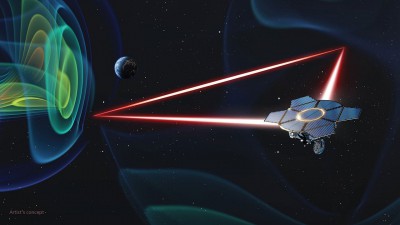
This is a different constraint from a weak signal. A larger receiving antenna can help detect a faint transmission, but it cannot make that transmission arrive sooner than light. More powerful computing on Earth cannot remove the propagation delay either. The milestone puts a physical limit, rather than a software bottleneck, into a unit anyone who has waited for a reply can understand.
The celebration has three separate dates
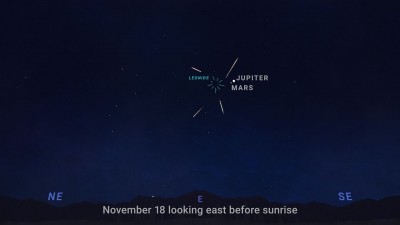
NASA’s event advisory separates a public activity on November 17, the distance milestone on November 18 and a mission discussion on November 19. The first is a symbolic worldwide light signal after sunset, using phones, flashlights or buildings. It should not be confused with a real command transmission to the probe.
The November 19 discussion begins at 17:00 UTC and includes members of the Voyager team. NASA plans to discuss the spacecraft’s operation and science, with a preview of a documentary intended for the mission’s fiftieth anniversary in 2027. Readers following the coverage should keep those dates apart: a celebration the evening before the crossing does not move the crossing itself.
The distinction also matters when sharing an image or countdown. A local date can change with the viewer’s time zone, while a schedule for a webcast describes an event on Earth. Neither should be substituted for the distance calculation.
Far beyond the planets, still far from another star
One light-day is enormous on a human scale and small on an interstellar one. A light-year contains hundreds of light-days. NASA’s distance guide makes that contrast explicit: Voyager’s journey has taken nearly half a century to cover a distance light crosses in a day.
The achievement is therefore not evidence that travel to neighbouring stars has become quick. It is evidence of how long a machine and its supporting organisation can keep functioning at the edge of practical communication. Our earlier report on Voyager’s power-saving work and restored contact described the operational challenge behind the distance record. A new milestone does not itself settle the cause of an earlier interruption or promise a particular remaining lifetime.
That is what makes November 18 more interesting than an odometer turning over. Voyager 1 will be a full day away by the fastest signal available to us, yet its mission will still depend on people assembling instructions carefully enough to let the answer take its time.