GTA VI separates the weapons you own from the ones you carry
Visible equipment and vehicle storage can make preparation matter without erasing the player’s larger collection.
In this guide
Owning a weapon and carrying it are becoming two different decisions in GTA VI. Rockstar's preview explanations describe visible long guns, equipment stored in vehicles and access to owned weapons through personal transport or Ammu-Nation lockers. The change gives the player's immediate loadout a physical presence in the world.
The important qualification is that this is not a claim that discarding an owned weapon erases the purchase. In Famitsu's August interview, Rob Nelson explicitly describes ways to recover owned equipment. His October discussion with IGN likewise connects the personal vehicle with access to purchased weapons. This article examines that distinction in Grand Theft Auto VI, using the developer's descriptions rather than claiming hands-on access.
The collection stays larger than the current loadout
A persistent collection and an immediate selection solve different problems. The collection records what the player has acquired. The loadout determines what can be used at the current moment. Separating them allows a game to preserve progression while asking the player to make a choice before leaving a vehicle or another access point.
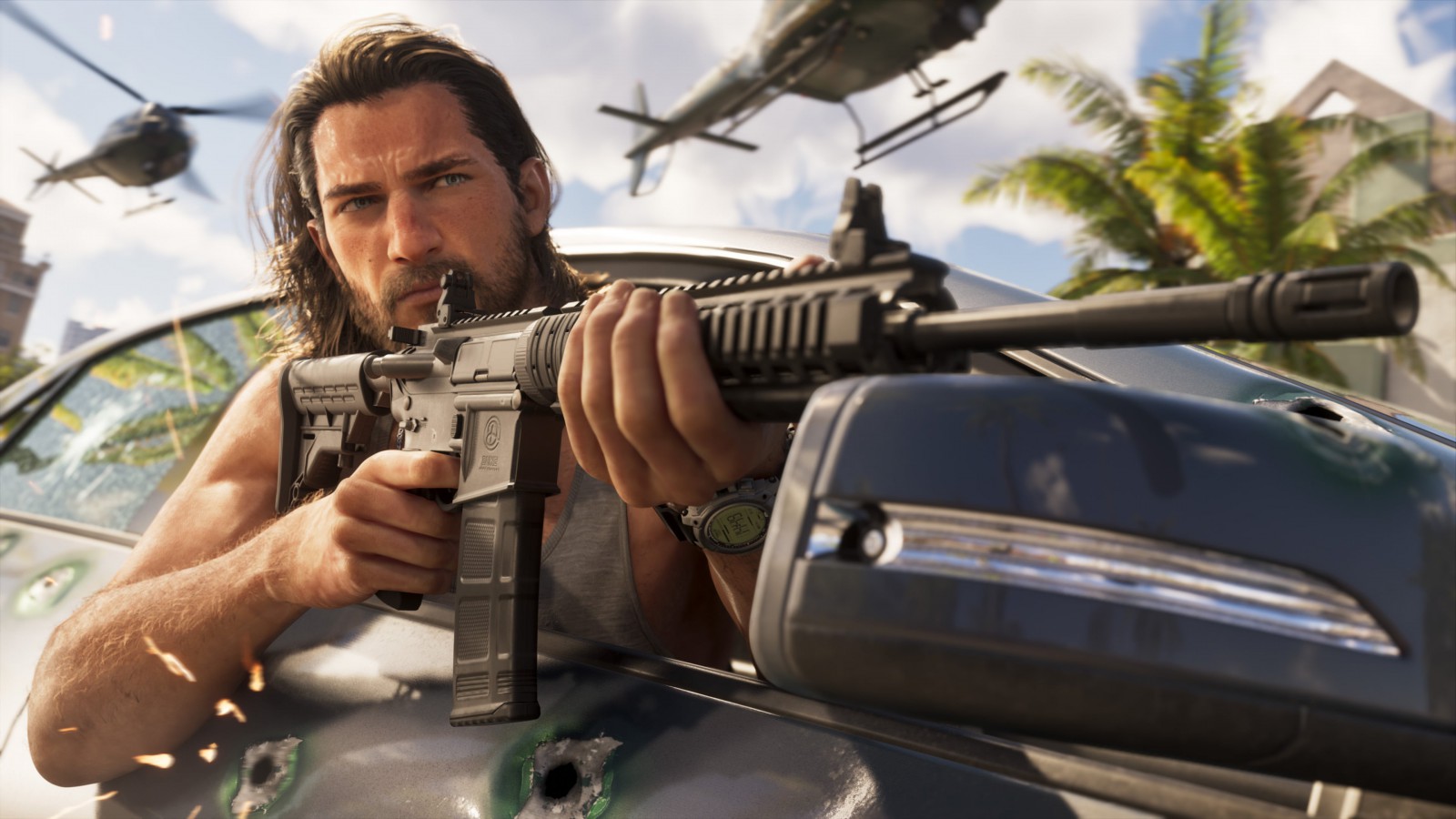
Nelson describes long guns as no longer disappearing into an invisible arsenal. That creates a visual connection between a character's capabilities and what the character is carrying. A player looking at Jason or Lucia should receive more information about their current equipment, rather than relying entirely on a menu detached from their appearance.
Rockstar has not supplied, in these interviews, a complete final table of every slot, exception or ammunition limit. It would be premature to turn the description into a definitive loadout guide. The established change concerns the relationship between equipment, storage and visibility, not a proven optimal combination of items.
A vehicle becomes part of preparation
The trunk matters because it links movement with equipment access. A personal vehicle is more than the means of reaching the next location: it can also become the point at which the player changes what to bring. Famitsu's interview distinguishes this persistent access from using the trunk of a temporarily held vehicle.
That can create decisions without requiring a lengthy equipment menu at every encounter. The meaningful question becomes what is worth taking now and when it is worth returning to storage. In design terms, a journey can have a preparation stage and a consequence for that preparation, while the larger collection remains intact.
The possible drawback is repeated administration. If the useful choice is always obvious, repeatedly retrieving the same equipment would add movement without much thought. If different situations reward different selections and the access points remain convenient, the restriction can make preparation matter. The interviews describe the intended balance, not a measurement of how often it succeeds.
The street notices what is in your hands
Famitsu also asks about reactions from pedestrians. Nelson distinguishes walking with a long gun carried from having a weapon out in the hands: the latter can make people move away or react aggressively. That is more specific than saying every armed appearance automatically causes panic.
This matters because visual presence can become communication. Equipment affects both what the player can do and how other characters interpret the player. It connects an inventory decision to the surrounding street rather than keeping it inside a private menu. The effect fits the premise of Jason and Lucia, without requiring a spoiler about how their story develops.
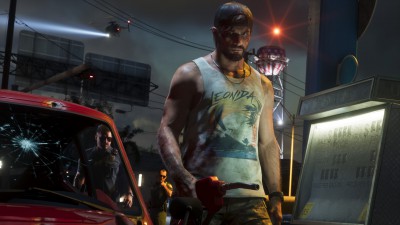
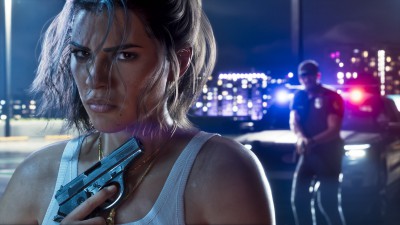
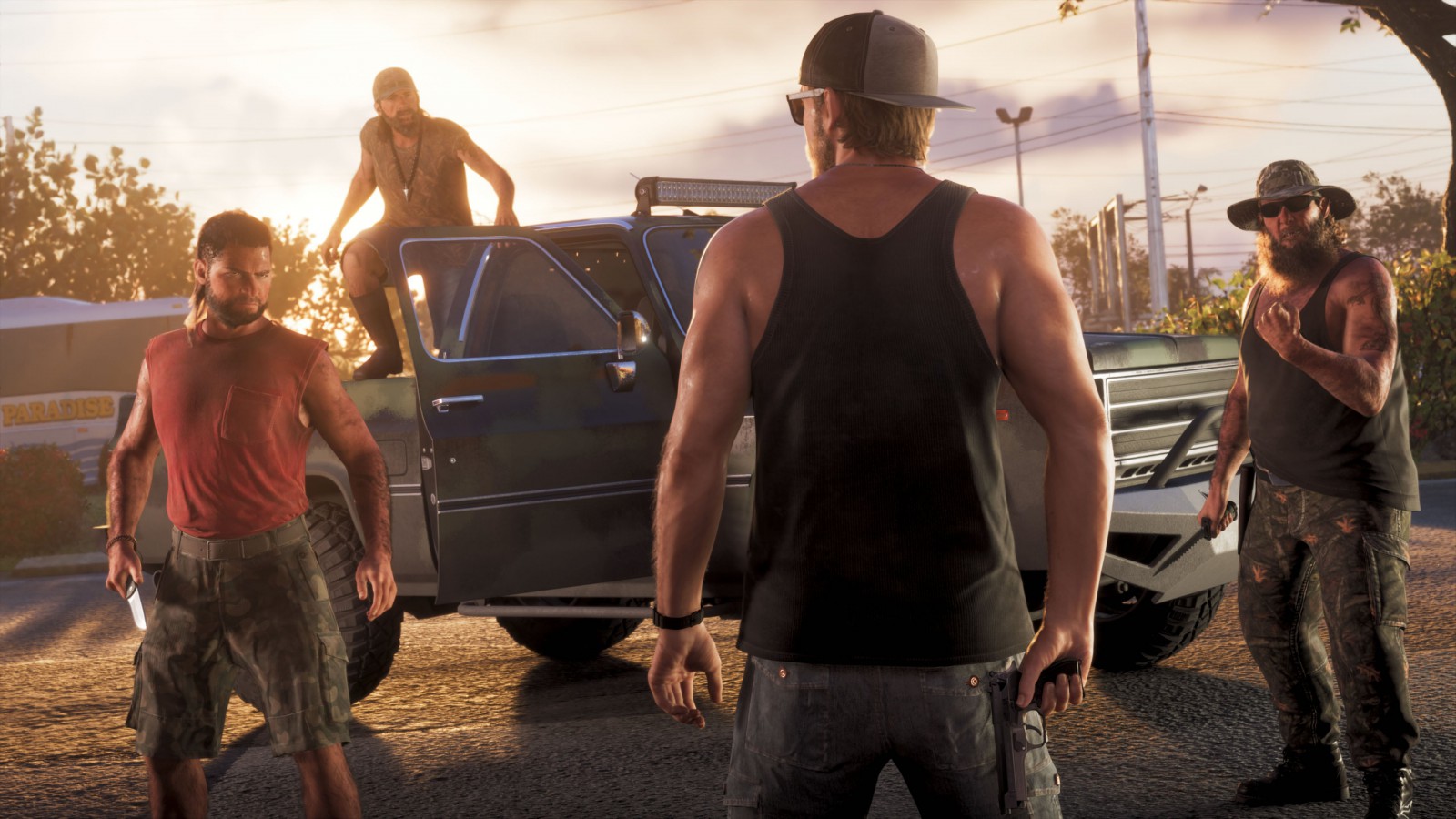
The official images alongside this explanation show characters and vehicles, not a complete inventory interface. Our launch-gallery analysis explains why screenshots should not be treated as proof of rules that are invisible within a still frame.
The interesting constraint is therefore not simply carrying less. It is making the selected equipment legible—to the player looking at the character, and to the people inhabiting the same street.