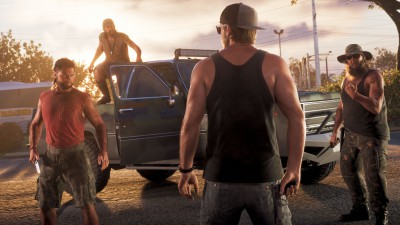
GTA VI makes keeping a car a decision of its own
Temporary vehicles, garage space and progression give the next appealing car a cost beyond reaching the driver’s seat.
In this guide
A car in GTA VI is being given more significance than an available seat and a route out of trouble. Rockstar's preview interviews describe a distinction between a vehicle temporarily in the player's possession and one registered as a personal vehicle, alongside progression that changes access to some parked cars.
That makes ownership an interesting part of Grand Theft Auto VI's design before anyone starts counting the garage roster. The evidence comes from Rob Nelson's August conversation with Famitsu and October interview with IGN. This is an explanation of those announced systems, without mission outcomes or an invented list of the best cars.
Possession is temporary; ownership is a commitment
Famitsu's demonstration distinguishes vehicles kept temporarily from registered personal vehicles. Nelson explains that a temporarily retained stolen vehicle can remain available for a while but disappear after restarting the game. Registering a vehicle puts it into a more persistent system of personal transport and garage space.
That changes the meaning of finding something desirable on the street. A vehicle can be useful now without automatically becoming a permanent addition to a collection. The choice to keep it involves the capacity and organization of a garage, rather than simply parking everything encountered and assuming the game will preserve it indefinitely.
The preview describes three initial storage spaces and additional garages that can expand ownership. That initial example should not be read as a permanent three-car limit for the whole game. Nor does it establish the capacity, price or location of every garage. The useful point is the existence of a constraint that makes a new addition compete with what is already kept.
Progression changes the street
In IGN's demonstration, Nelson says some parked vehicles require progress and equipment before they can be accessed. The phone's vehicle scanner helps communicate relevant information. The design introduces differences among cars beyond appearance and handling, without making every vehicle on the street equally available from the outset.
This is progression embedded in a familiar activity. A location encountered early can contain something that becomes useful later, even if the road itself has not changed. The benefit is a reason to recognize vehicles and remember possibilities. The cost is friction: a series associated with immediate improvisation now asks for more attention to conditions.
Rockstar's explanation does not suggest removing spontaneous driving. It describes layering decisions around it. Whether the balance feels satisfying will depend on how clearly the game communicates restrictions and how often those restrictions interrupt an ordinary trip. A complicated rule is not automatically an interesting one; it earns its place when it produces a meaningful choice.
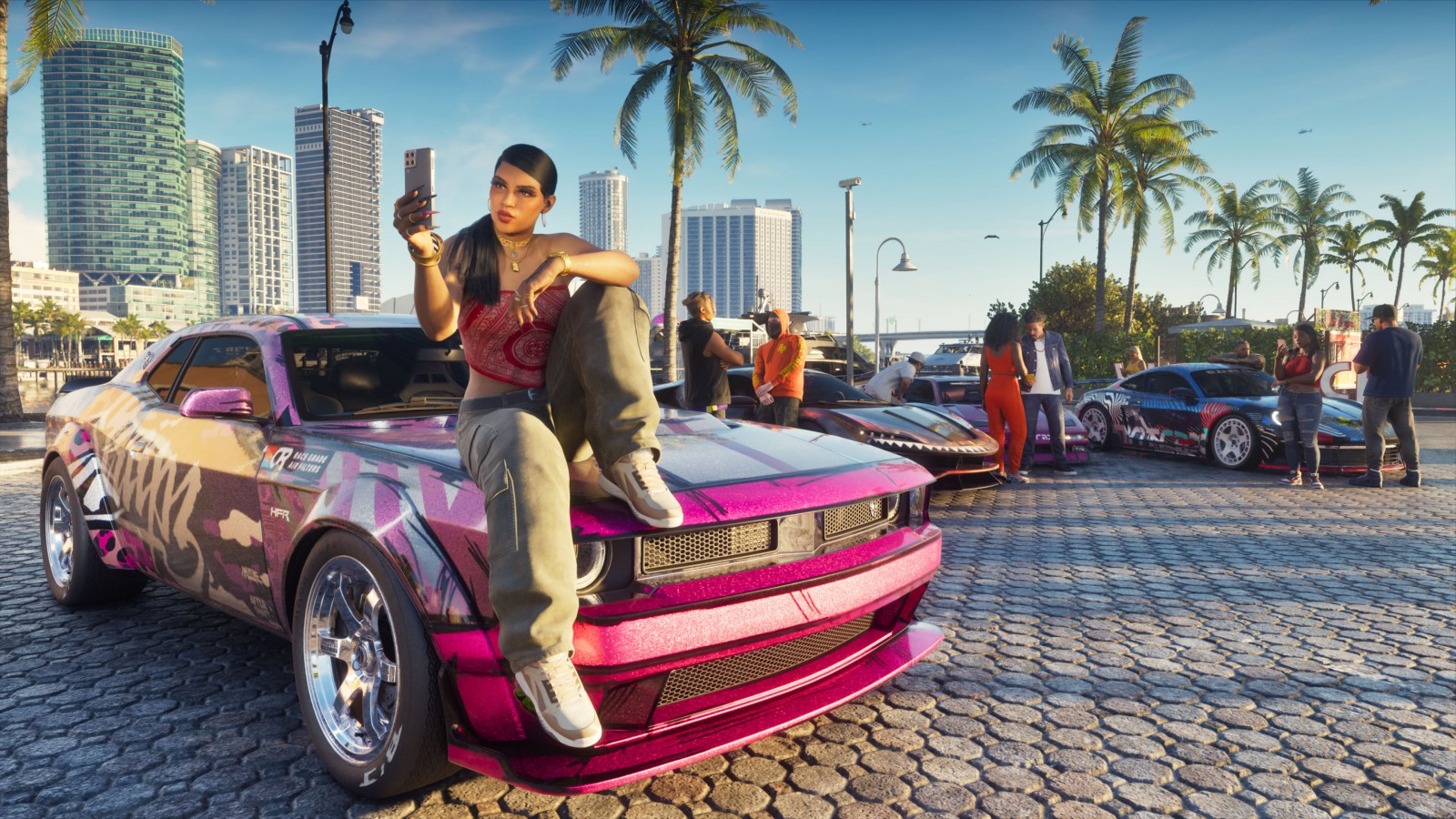
A valuable car can be a less disposable car
The interviews also connect damage with a vehicle's sale value. That gives careful driving an economic purpose inside the game. If a car is being moved for its value, reaching the destination with less damage can matter in a way it does not when the vehicle is treated as disposable transport.
There is a useful tension here. GTA encourages experimentation and spectacular accidents, while a resale system gives players a reason to care about the object they are controlling. Both approaches can coexist if the game makes the stakes legible. The player should understand when a journey is about moving quickly and when the condition of the vehicle is part of the objective.
Our overview of Leonida's different regions provides the wider setting, while the character introduction explains the partnership at its center. Neither tells us the complete vehicle economy, and Rockstar's preview does not yet supply a definitive price guide.
The promising change is smaller and more concrete than a record car count: a vehicle can become worth remembering. When choosing what to keep matters, the next appealing car is also a question about the one already in the garage.