GTA VI’s police need information, not just more wanted stars
Rockstar’s preview interviews separate the seriousness of a response from what officers know about a suspect.
In this guide
The most consequential change in GTA VI's police system may happen before a chase begins: the game distinguishes an incident being reported from the police knowing exactly who committed it. That turns attention toward the information reaching dispatch, alongside the familiar wanted stars.
Rockstar's Rob Nelson described that design in IGN's October interview and demonstration, following a separate Famitsu interview published in August. These are developer explanations of a preview build, revisited here ahead of launch. They establish a design direction for Grand Theft Auto VI, rather than an independently tested account of every encounter in the finished game.
A report has content, not just a severity
Nelson describes dispatch as tracking specific knowledge. A disturbance can give the police a place to investigate without providing an equally complete description of the player. Witnesses and alarms supply routes by which an incident becomes known. Information about a person, clothing or a vehicle can then affect recognition.
The distinction matters because a simple escalation meter compresses several different questions into one signal. How serious is the incident? Where should officers look? Do they know the person they are looking for? A simulation can give different answers to each. More stars alone cannot explain all of that state.
In the demonstrations, police activity also has a geographical component: an area can remain under attention after the immediate encounter has moved on. That makes the world less like a sequence of isolated confrontations. It does not establish that every crime is remembered forever, that every witness produces the same report, or that players face a fully simulated criminal investigation.
The important feedback is what the game tells you
A richer system only creates meaningful decisions if players can understand its state. Dispatch audio, map information and visible police behavior therefore have a practical job beyond atmosphere. They need to explain why a situation has changed, rather than simply making it feel unpredictable.
Consider the difference between learning that officers are investigating a location and learning that they have identified a particular vehicle. Those messages describe different problems inside the game. If the distinction is communicated clearly, a failed decision can teach the player something. If it remains hidden, the same outcome can look like arbitrary detection.
This is the central design tradeoff in Rockstar's description. More detailed knowledge can make a chase feel earned, but it also adds information to an already busy screen and soundscape. The interviews show how the system is intended to work; they do not provide a measurement of how consistently a new player will read it under pressure.
Escalation remains a choice with consequences
Nelson repeatedly connects the system to the game's premise of two people on the run. The aim is to leave room for encounters that end without becoming the largest possible firefight, while retaining the chaotic play associated with GTA. That is a statement about available approaches, not a promise that every situation has a peaceful solution.
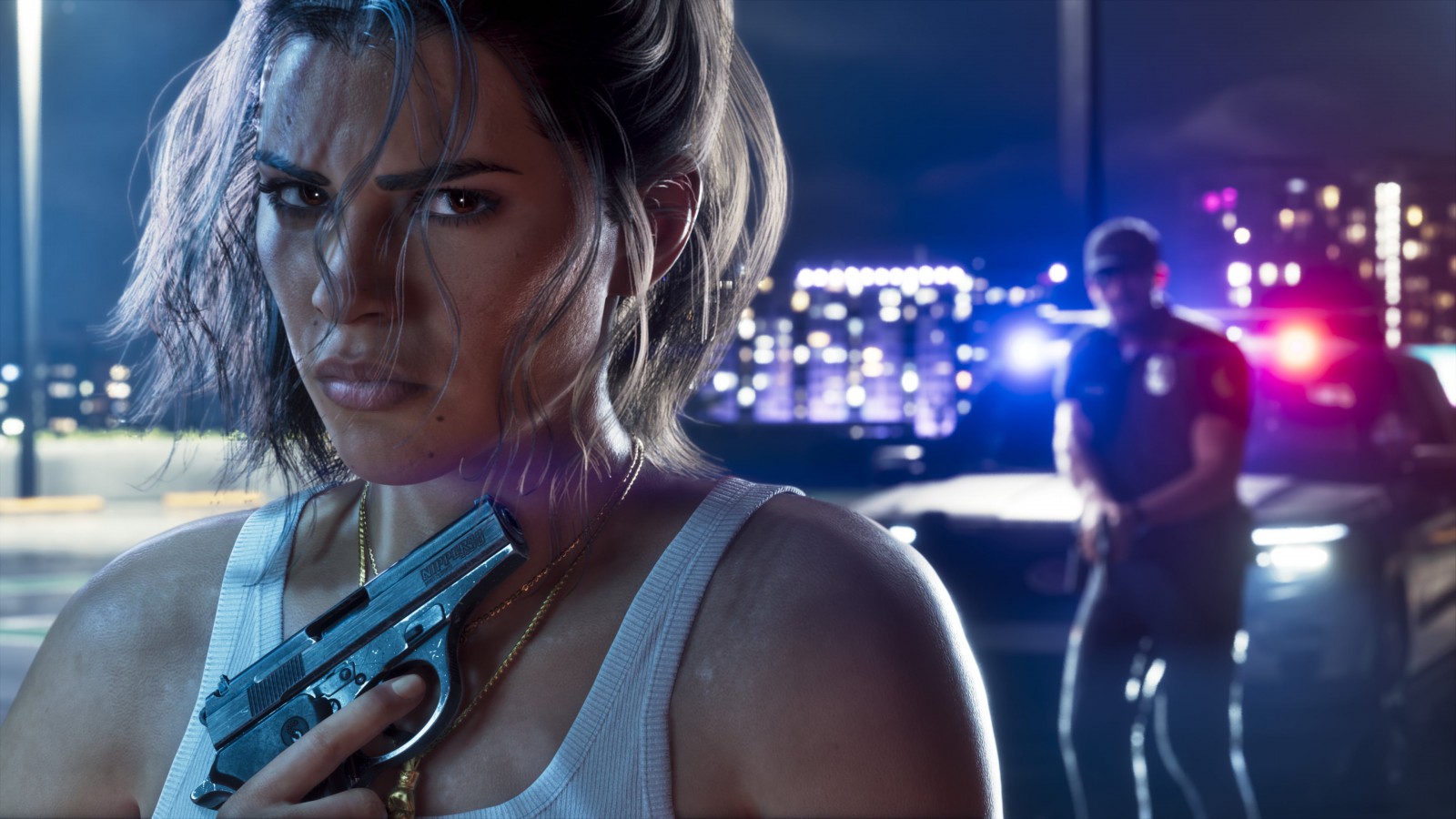
The introduction to Jason and Lucia explains the starting premise without story spoilers. Here, the interesting connection is mechanical: a game about people trying to keep moving gains something when avoiding further attention is itself an intelligible objective. The police need enough information to react plausibly, and the player needs enough feedback to understand that reaction.
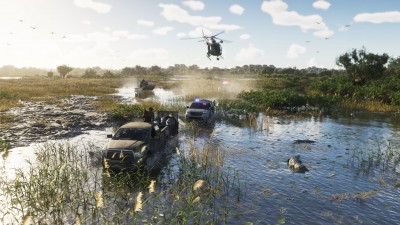
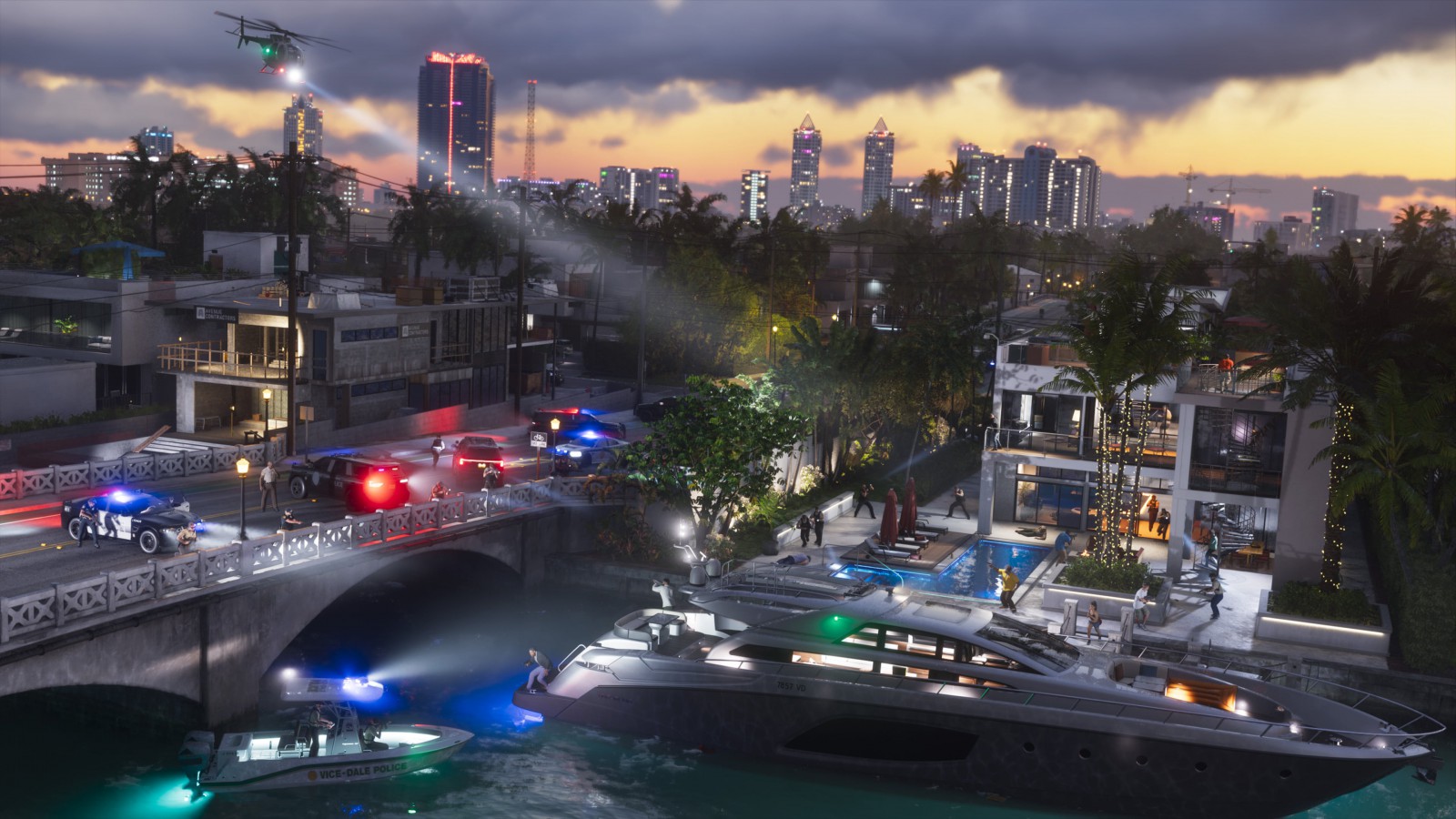
Official screenshots can show patrol cars, crowds and roads, but cannot prove the underlying rules. Our look at the launch gallery treats those images as visual evidence rather than a substitute for testing. The same boundary applies here: an impressive scene does not tell us how quickly a report travels through the simulation.
GTA VI's police design will be most interesting when the player can explain what went wrong. A chase that starts because the game knows something specific has a different texture from one that starts because an invisible meter simply filled up.