GTA VI returns to Vice City, but nostalgia is only the starting point
The coastal imagery remains familiar. Contemporary characters and media habits give the city a different cultural setting.
In this guide
Returning to Vice City does not mean returning to the same cultural moment. Rockstar's original Vice City page frames that game around the 1980s: conspicuous wealth, pastel suits and a criminal rise through an urban playground. Grand Theft Auto VI uses the familiar city name in a contemporary setting whose social texture is already visible in its official character descriptions and images.
The distinction is more interesting than a contest between old and new graphics. A period setting can use the audience's distance from the decade as part of the joke. A contemporary setting has to decide what deserves attention while its audience is still living among the same habits, ambitions and media.
The recognizable surface still matters
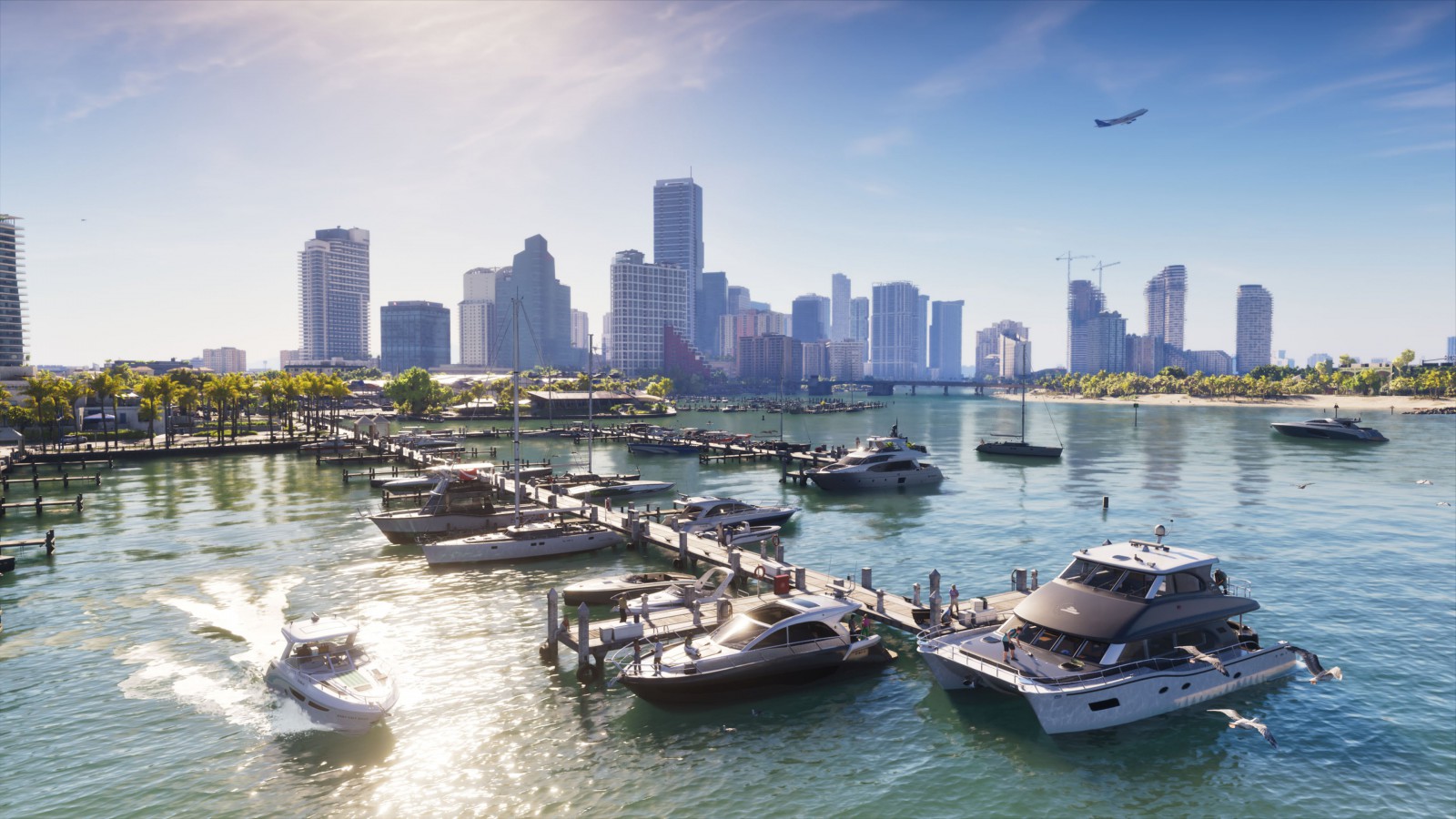
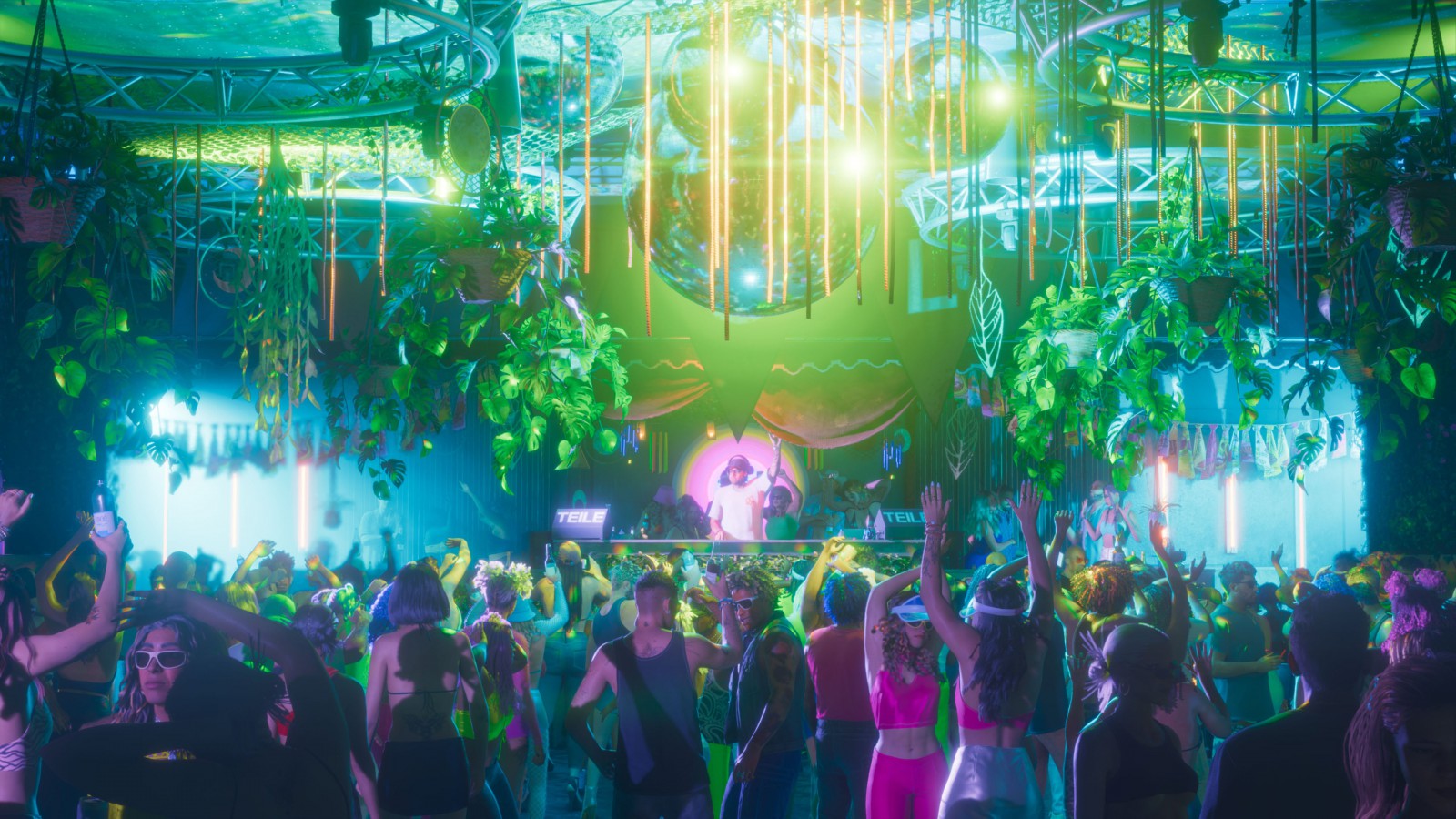
Waterfront towers, palms, bright clothing and nightlife make Vice City immediately legible. The official screenshot library shows that those visual associations remain useful. They give a returning player a point of recognition without proving that the new street layout copies an older map.
That last distinction matters. Shared names and recurring visual motifs do not establish identical geography. A fan reconstruction may be interesting, but it should not become navigation advice or a claim about map boundaries before the game's own map supports it. Our overview of Leonida's different regions focuses on confirmed places rather than speculative acreage.
The waterfront image accompanying this article is useful for its composition: buildings, water and boats establish several layers of city life in one view. It does not measure a playable distance or establish how far every vessel can travel. There is plenty to look at without asking a still image to answer questions it cannot.
Attention is part of the contemporary setting
Rockstar's official profiles describe the music duo Real Dimez through viral tracks and a persistent social-media presence. That is a concrete example of the modern frame. The characters' ambitions are tied to attracting an audience, not simply to being visible on a nightclub stage.
This does not prove an interactive social-media system with any particular features. It establishes something narrower and still useful: online attention belongs to the world the writers are describing. Fame can be pursued through the habits of the present rather than through a recreation of an earlier entertainment industry.
The change also complicates nostalgia. Returning fans may recognize the color, but the cultural machinery behind the image has changed. A boast can travel differently when its audience is a feed instead of the people within earshot. That is an analytical consequence of the contemporary premise, not a confirmed list of missions.
A return can earn its differences
The original game's catalogue entry remains a useful historical reference, while GTA VI is its own work. There is no need to claim that a new rendering makes an older artistic choice obsolete. A stylized period city and a contemporary one can succeed through different relationships between place, music and character.
The strongest reason to revisit Vice City is therefore not the prospect of finding every remembered corner unchanged. It is seeing which details still make the place recognizable after the world around them has moved on. Nostalgia provides the first glance; a convincing present-day city has to earn the second.