NASA’s Moon awards put PROMISE on a delivery path, with Mars hardware in the plan
The rover targets a late-2028 delivery and 18 months of work. Contract ceilings, task orders and performance options describe different commitments.
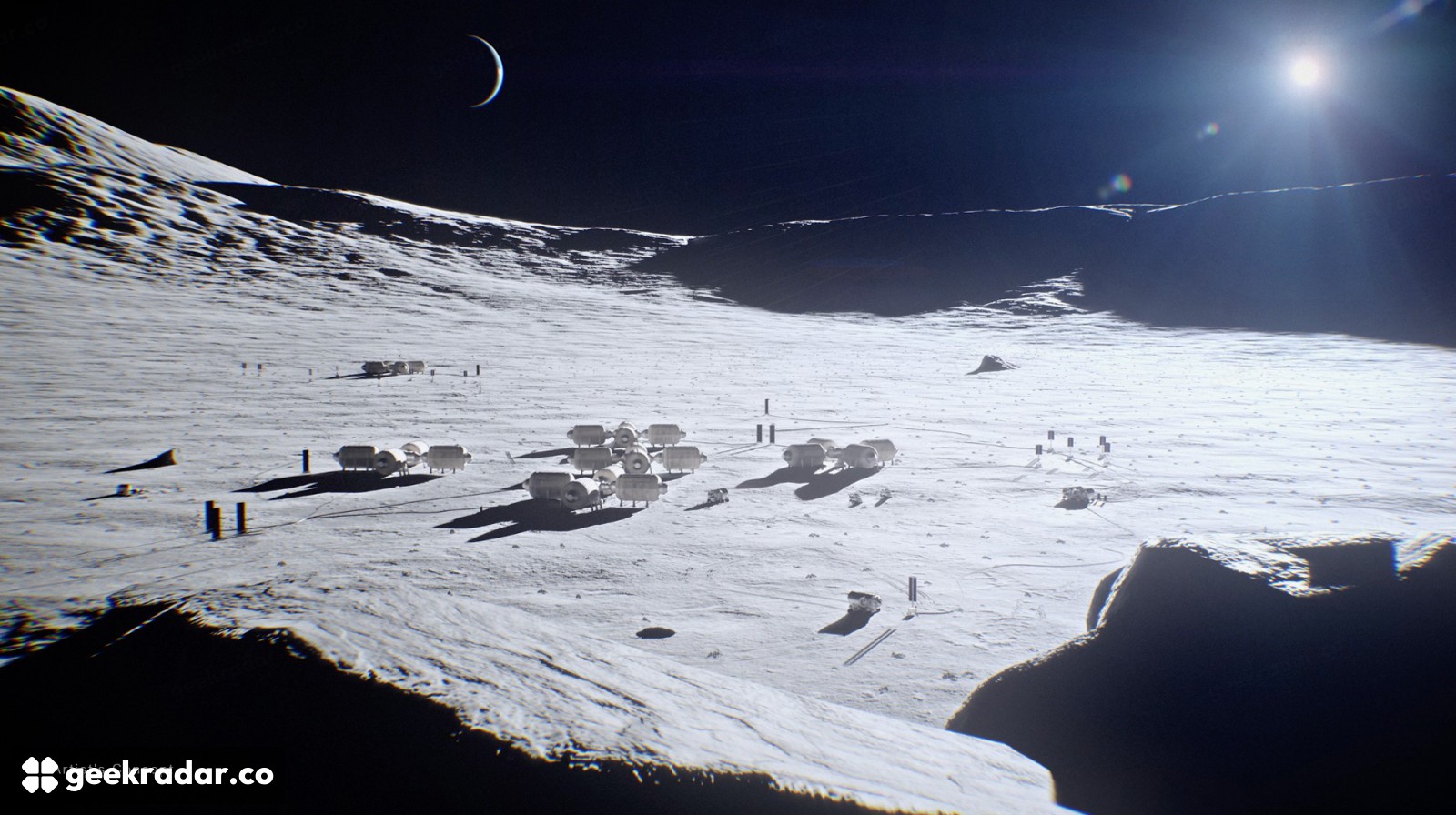
NASA’s Moon Base update has moved from an event on the calendar to a set of contracts and a specific rover mission. At its November 7 MAX POWER event, the agency announced a new lunar-delivery framework and plans for PROMISE, a nuclear-powered rover intended to work through long lunar nights and inside permanently shadowed areas near the south pole.
The announcement is substantial, but its numbers describe different commitments. The $10 billion attached to CLPS 2 is the combined ceiling of a ten-year contracting framework, not a payment already made to eight companies. PROMISE’s delivery award is a separate base contract with a performance-dependent option. Keeping those categories apart gives a clearer picture of what NASA has actually bought.
A delivery network is being contracted, not declared complete
Eight companies can compete for lunar surface deliveries under CLPS 2: Blue Origin, Firefly Aerospace, Intuitive Machines, ispace-U.S., Lockheed Martin, Northrop Grumman, SpaceX and Voyager Technologies. The framework covers services that include building and operating landers for science, technology and infrastructure payloads.
NASA is also increasing the existing CLPS framework’s ceiling from $2.6 billion to $4.2 billion. That contract remains available through November 2028, with additional time for awarded deliveries to be completed through November 2033. The old and new frameworks therefore overlap; the announcement is not a simple switch that cancels every existing mission.
Our preview of the MAX POWER briefing identified the event as the place to look for concrete commitments. The new contracts supply that next step, while leaving execution—building hardware, integrating payloads and delivering them—as work still to be done.
PROMISE borrows hardware, not the Moon’s environment
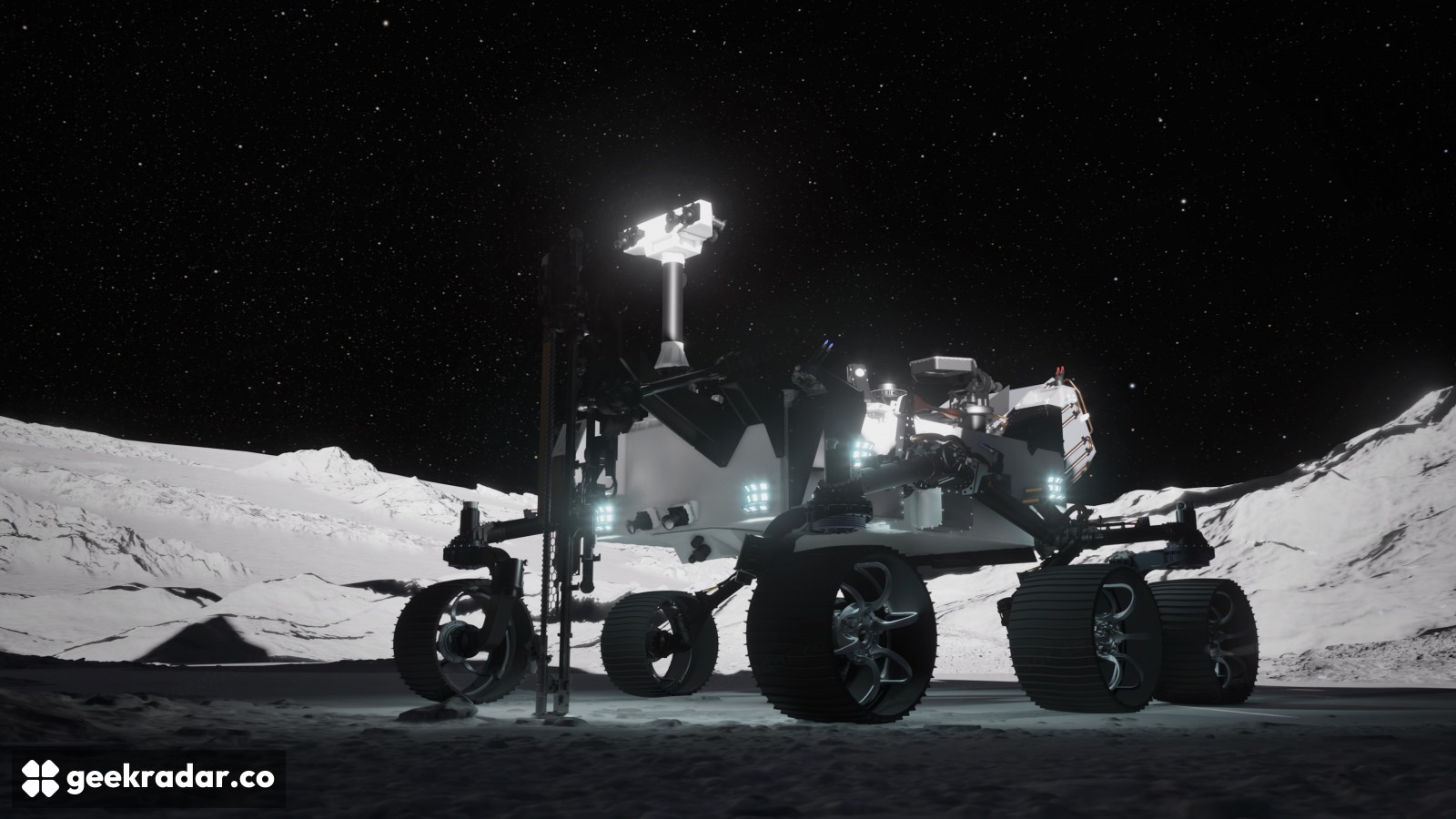
JPL plans to build the six-wheeled rover using spare flight components and engineering hardware from Curiosity and Perseverance. NASA says it has assessed that hardware’s compatibility with the lunar environment. Reuse is intended to reduce cost and shorten integration, rather than imply that Mars and the Moon present identical conditions.
The mission targets launch in late 2028 and an 18-month operating period. Blue Origin’s Mark 1 lander is intended to deliver and deploy it. These are planned milestones, not a rover already on the surface or a completed flight qualification campaign.
Nuclear power is central to the mission’s purpose because the places of greatest interest can lack sunlight. Permanently shadowed regions may preserve ice, but they are difficult locations for equipment dependent on direct solar illumination. The power source changes where and when the rover can attempt its observations.
The drill and the computer solve different parts of the problem
NASA’s PROMISE mission description details a drill designed to sample regolith to roughly one meter below the surface, with instruments to analyze material and search for volatile compounds. Temperature and radiation measurements add information relevant to future activity at the south pole.
The computing demonstration is equally purposeful. High Performance Spaceflight Computing is intended to process data from a lidar-based navigation system and support autonomous driving algorithms, with a commercial GPU co-processor. The goal is to help the rover travel farther in difficult light and terrain while reducing the amount of intervention needed from operators.
Autonomy here does not mean an unconstrained robot deciding its own scientific mission. It concerns the practical work of interpreting nearby terrain and navigating under conditions that make continuous human steering difficult. The instruments and mobility system must still produce evidence that scientists can interpret.
The broader transport awards address the route between Earth orbit, lunar orbit and the surface. PROMISE addresses what one vehicle can learn after that route works. A sustained lunar presence needs both: cargo arriving reliably and machines establishing which parts of the destination can support the next arrival.