Hogwarts Legacy brings DLSS 5 to GeForce NOW, with Ultimate access conditions
Cloud rendering avoids a local GPU purchase, but game ownership, the service tier and the connection still shape the experience.
Hogwarts Legacy is receiving DLSS 5 through GeForce NOW, making NVIDIA's new rendering option available without buying the corresponding graphics hardware. The route is the service's Ultimate tier on RTX 5080-class cloud systems, and it still requires access to a supported store version of the game. A streaming subscription does not automatically supply ownership.
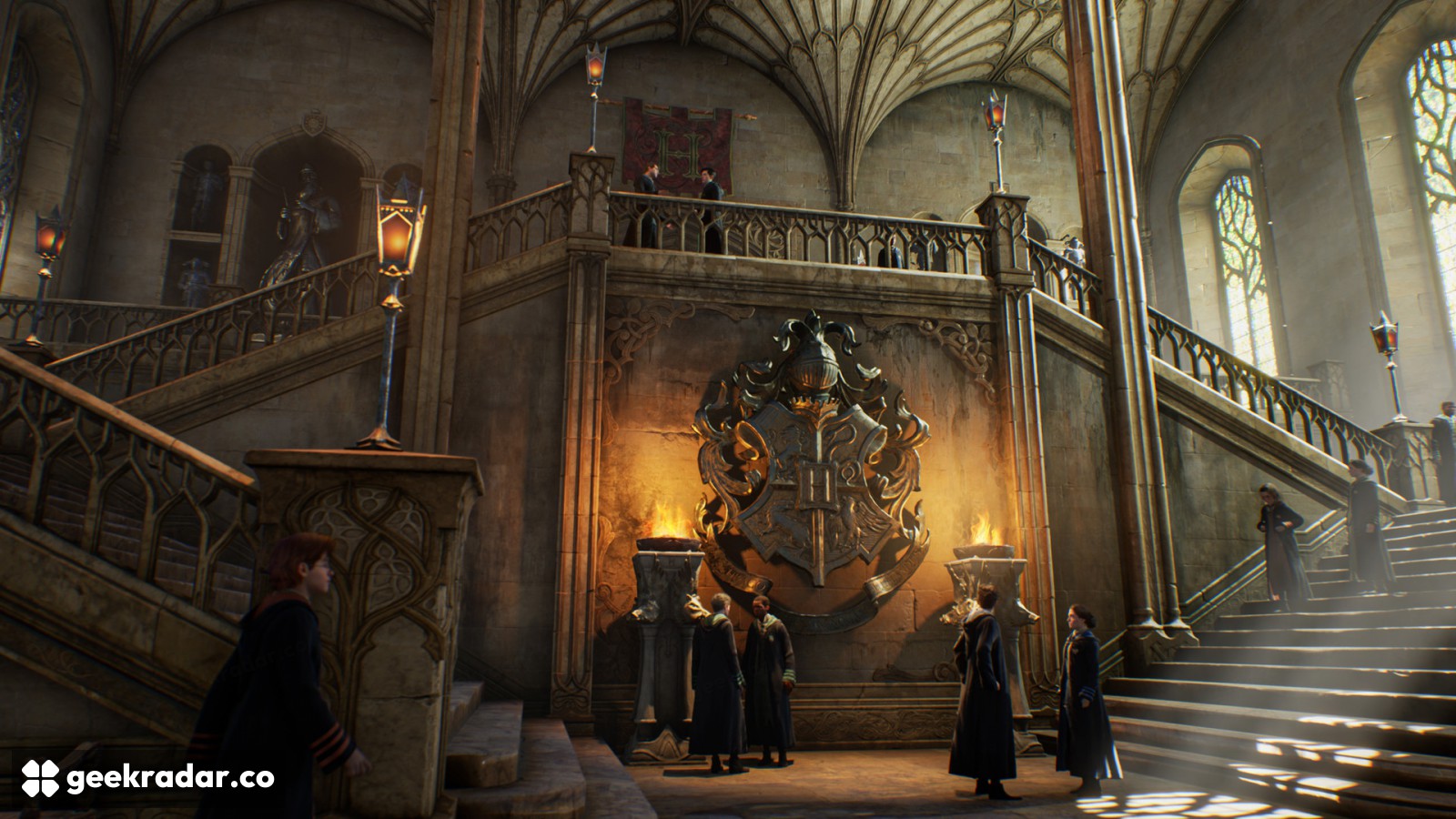
NVIDIA's November 5 announcement identifies Steam, Epic Games Store and Xbox Play Anywhere versions. The company says Avalanche worked on the presentation, using DLSS 5's 3D Guided Neural Rendering to alter lighting and materials while retaining the underlying geometry and textures. Those claims describe the integration; they are not an independent verdict on its appearance.
Rendering, reconstruction and generated frames do different jobs
A graphics feature can change several different things that are easily bundled into one acronym. Reconstructing a higher-resolution image from a lower-resolution input is one task. Generating intermediate frames is another. The DLSS 5 feature highlighted here applies neural rendering to the image's lighting and material presentation.
NVIDIA also mentions Multi Frame Generation and Ray Reconstruction in the supported experience. Their inclusion does not make them interchangeable. A higher displayed frame rate cannot by itself establish that the neural lighting preserves the original appearance, just as a visually convincing still cannot demonstrate responsive controls.
Our DLSS and FSR comparison explains why feature names and implementation details matter more than treating each brand as a single quality setting. For this update, the useful question is what changes on screen when the particular rendering option is enabled, rather than whether the menu contains the newest number.
Cloud access removes one barrier and keeps others
The obvious benefit is avoiding a local GPU purchase just to see the feature. The cloud system performs the demanding rendering work and sends a video stream to the player's device. That can extend access to hardware capabilities well beyond the machines physically installed at home.
It also changes what a comparison represents. The picture reaching a television or laptop has travelled through streaming compression, networking and decoding. Fine detail visible in a source demonstration may be harder to assess on a constrained connection, and a delay in input response can originate outside the rendering feature itself.
For the same reason, this launch does not establish identical results across all supported devices or connections. Ultimate membership is an access condition, not a guarantee that every network and screen will display the same image quality.
A familiar game provides a useful reference point
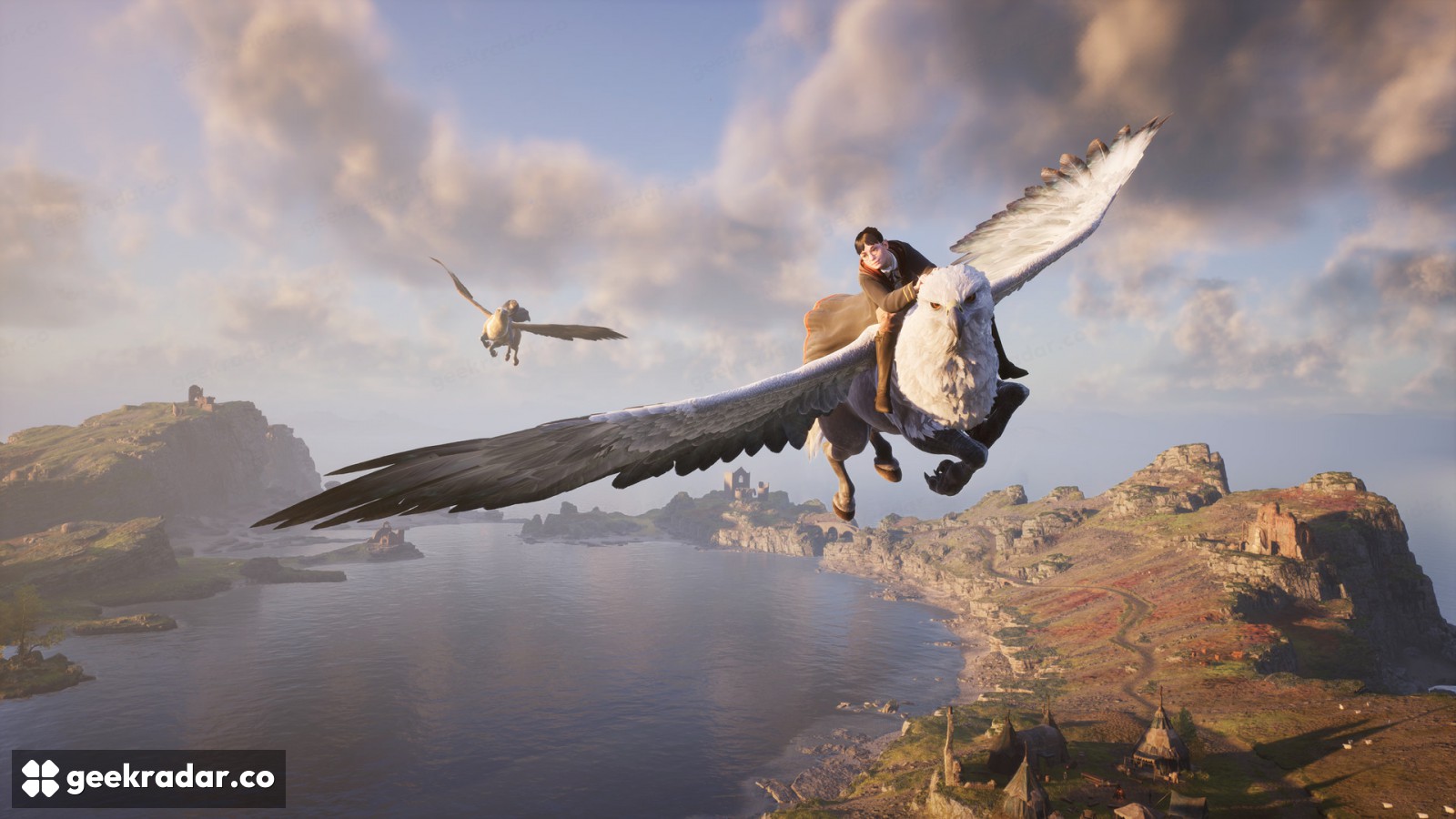
An established game's architecture, surfaces and lighting give returning players something recognisable against which to judge a new presentation. That is more informative than simply accepting a vendor's claim that an image is improved. A change can look more detailed while still altering the atmosphere someone preferred.
NVIDIA says the developer has artistic control over the integration. The relevant result is therefore the game's implemented setting, not an assumption that a generic model has been applied identically to every title. This announcement also does not confirm DLSS 5 support for unrelated games in the GeForce NOW catalogue.
The cloud release makes the new option easier to encounter. Its value ultimately depends on whether it produces a version of Hogwarts that a player wants to inhabit, while retaining responsive play on their connection. Access to a powerful remote GPU is the beginning of that experience, not the whole of it.