The Division passes 50 million players: what the anniversary number measures
Massive’s figure covers the franchise’s cumulative reach. It is not a sales total, a concurrent-player count or a release timetable for The Division 3.
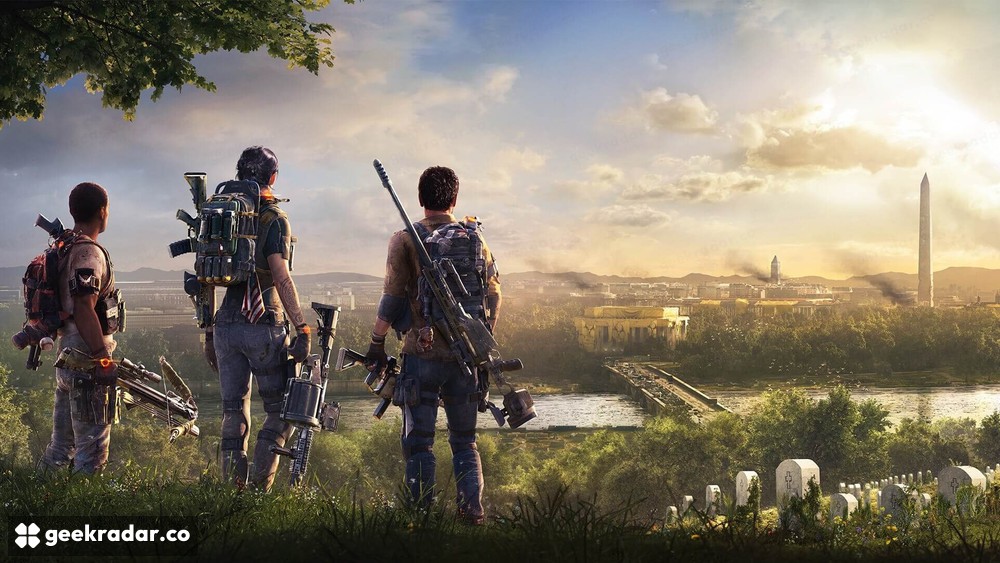
The Division franchise has passed 50 million players, according to Massive Entertainment. It is a milestone for the series’ cumulative reach across a decade, rather than a count of people playing together today or a claim that The Division 2 alone sold 50 million copies.
Massive announced the figure on October 27 in a public anniversary post, reproduced in Instant Gaming’s report and covered by IGN. The studio describes the milestone across the franchise. The available statement does not publish a detailed counting methodology.
Reach, sales and activity answer different questions
A cumulative player total describes how widely a series has travelled over time. It does not tell a returning player how busy a particular mode is this evening, how quickly matchmaking works in a region or how many people completed a specific expansion.
Nor is “players” interchangeable with paid copies. Without a breakdown of access routes and counting rules, the announcement cannot be converted into a sales total. It also leaves open how accounts used across games or platforms are treated. Those are limits on interpretation, not evidence that the milestone itself is false.
The distinction matters especially for a long-running game family. The original Division launched in 2016 and The Division 2 followed in 2019. A decade gives a franchise many opportunities to find new players, welcome returners and change the ways people access it. A lifetime figure compresses that history into one headline number.
A milestone is context for the next game, not its release date
IGN also places the announcement alongside continuing development of The Division 3 at Massive. There is no launch date in the milestone announcement. The size of an established audience can explain the commercial interest in another instalment, but it cannot establish its production timetable, final design or future reception.
For someone deciding whether to return, the practical information still comes from the current game: its available content, platform, access terms and the friends they expect to play with. The anniversary number cannot replace those checks.
What it does establish, as a company-reported milestone, is the breadth of the audience reached by this particular blend of cooperative combat, equipment progression and shared-world tension. Fifty million is a substantial history to build on. The next game’s challenge is converting some of that accumulated interest into a reason to return, rather than treating every past player as an automatic future customer.