TFT’s standalone client arrives in stages, and existing cosmetics keep their history
Patch 18.6 begins the move out of League’s client. Social features, future cosmetic boundaries and compensation have separate dates and conditions.
Teamfight Tactics is moving into a standalone PC client with patch 18.6, but the move is not a promise that every planned interface improvement arrives on day one. Riot’s release notes describe a larger-than-usual download and a deployment expected to take longer across PC and mobile. The new client is the start of a staged transition, with further work assigned to 18.7 and later patches.
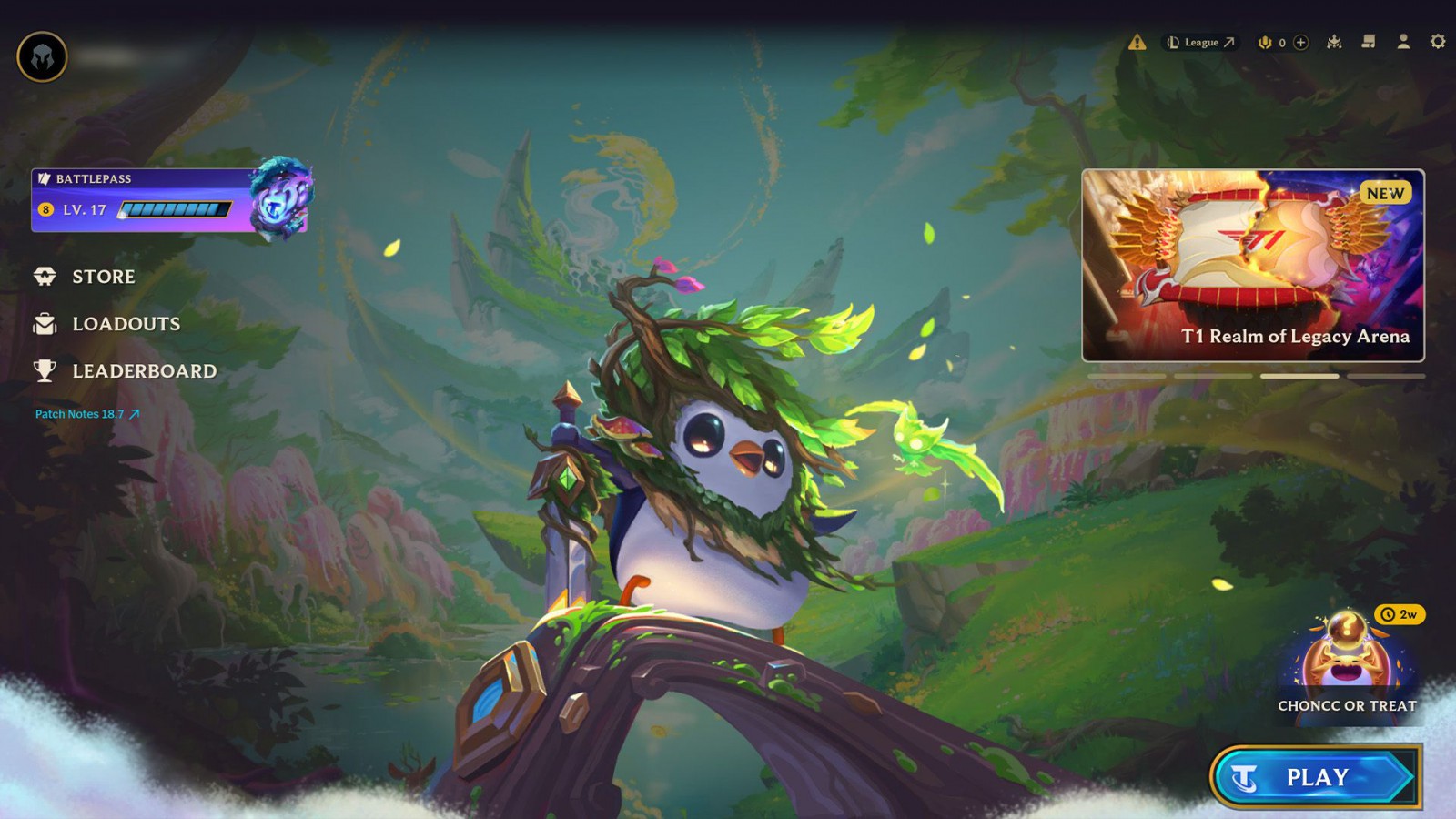
That changes what players should expect from the update. The immediate milestone is leaving TFT’s previous home inside the League client. The more ambitious lobby, social and event features have their own timetable, and a promotional screenshot can include elements associated with those later stages.
Independence creates space for a different interface
In its client development update, Riot explains that a separate client allows tools built specifically around TFT: richer events, lobby presentation and previews of Tacticians and Arenas before adding them to a loadout. Switching between League and TFT is still intended to remain a one-button action.
The initial priorities are functionality and stability. Leaderboards, easier friend invitations and movement between solo and party lobbies are listed for 18.7. Riot also acknowledges feedback that the PC interface does not use larger displays well, but has not committed the scaling redesign to a specific patch.
That last detail is worth preserving. A known problem and a promised investigation are different from a delivered fix. Players comparing the new interface with their previous setup should judge what the current build offers, while keeping the scheduled improvements separate.
Existing cosmetics are not being erased by the split
Riot distinguishes previously released shared cosmetics from newly released ones. Existing Little Legends that can accompany players in ARAM remain usable there. Newly released Little Legends from patch 19.1 will no longer serve as League followers; new TFT emotes separate from League’s from 19.2, while earlier ones retain their cross-game use.
The relevant boundary is when the cosmetic was released, not simply whether a player opens the new client. Describing the change as losing every existing cross-game cosmetic would therefore be inaccurate. Equally, buying a future TFT item should not come with an assumption that it will work in League because an older item did.
Compensation also has dates and conditions
Riot’s planned appreciation missions begin with 19.1: playing one Set 19 game earns 500 Treasure Tokens, and playing 20 earns a token for a banner containing random Mythic Chibis. That reward is not a free choice of any cosmetic, and it is not described as an immediate 18.6 login gift.
Additional compensation depends on owning specified higher-tier cosmetics before 18.7. Riot lists two Mythic Medallions for eligible Mythic Tactician or Arena owners and an unannounced Mythic Chibi for eligible Prestige Tactician owners, delivered after 19.1 under the stated conditions.
The migration combines a technical separation with a changing product boundary: the client, future cosmetics and rewards no longer all follow the same clock. The useful way through it is to track those boundaries individually. A larger download is temporary; knowing which part of a collection remains shared will matter long after the progress bar disappears.