WoW Forever’s four-month patch target is built around a different levelling rhythm
Blizzard describes major raid and PvP seasons alongside smaller unlocks. The plan is a development target, not a complete dated calendar.
World of Warcraft Forever is aiming for major content releases roughly every four months, with smaller unlocks between them. That is the most practical promise in Blizzard's new pre-launch interview: a different rhythm for an MMO that wants the journey through its world to remain useful, rather than funnel all attention towards the latest endgame activity.
Principal designer Kris Zierhut outlined the intended cadence in IGN's October 27 interview. It is a development target, not a dated roadmap guaranteeing that every future patch will land exactly seventeen weeks after the previous one.
A slower patch cycle does not mean four silent months
Blizzard's plan separates the arrival of a major patch from the moment every activity in it becomes available. Zierhut describes content opening at intervals during the cycle, rather than a single release-day rush followed by months with nothing new.
That distinction changes the demands on players. A slower raid-tier cycle can give a group more time to learn encounters and finish its goals. Staggered activities can still provide reasons to return without requiring a completely new progression reset every few weeks. Whether that balance works depends on the actual content, but the schedule is being designed around it.
The developers say their experience with Classic releases informed the choice: long gaps could feel empty, while faster cycles in Season of Discovery felt too compressed. Four months is their proposed middle ground. It should be assessed as a deliberate tradeoff, not automatically celebrated as either more generous or less ambitious.
Keeping the levelling world populated
Forever's other important idea is to keep adding reasons to play throughout the levelling journey. New quests, profession work and character progression are intended to make earlier zones meaningful, rather than leave them as corridors that players rush through once.
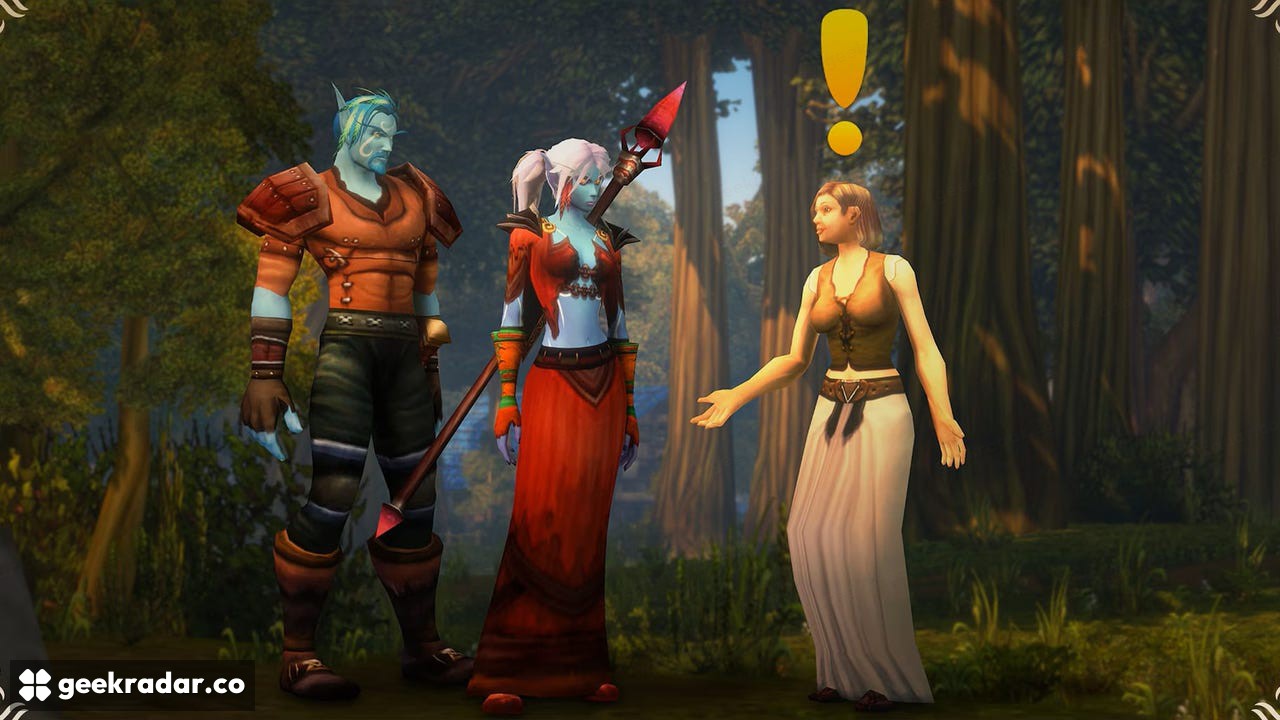
The camping system illustrates the social design. Blizzard describes players meeting in the wilderness, contributing to a camp and sharing benefits, with a chance to group up for nearby tasks. A small practical reason to stop can create an encounter that a matchmaking menu would never produce.
That is an intention, not proof of a thriving community before launch. It does, however, identify what the system is trying to reward: repeated contact inside the world, rather than social interaction existing only around organised endgame sessions.
Familiarity without a fully solved route
The interview also describes changing rewards and professions so veterans cannot assume every old optimisation still applies. Preserving a familiar world does not require preserving every answer to it. The challenge is making discovery worthwhile without making long-standing knowledge feel arbitrarily useless.
Our earlier coverage of stress-test names and reservations concerned launch preparation; this interview addresses the months after players arrive. The distinction matters because a smooth opening and a sustainable MMO are different achievements.
Forever's cadence will succeed if groups have enough time to enjoy what they are doing while the world still offers something to discover. The meaningful measure is not how often the patch number changes, but whether another evening in Azeroth feels like an opportunity rather than a deadline.