GOG Galaxy is coming to Linux. Its optional role matters as much as the port
The planned 2027 client promises a more convenient library without replacing the offline installers that distinguish the store.
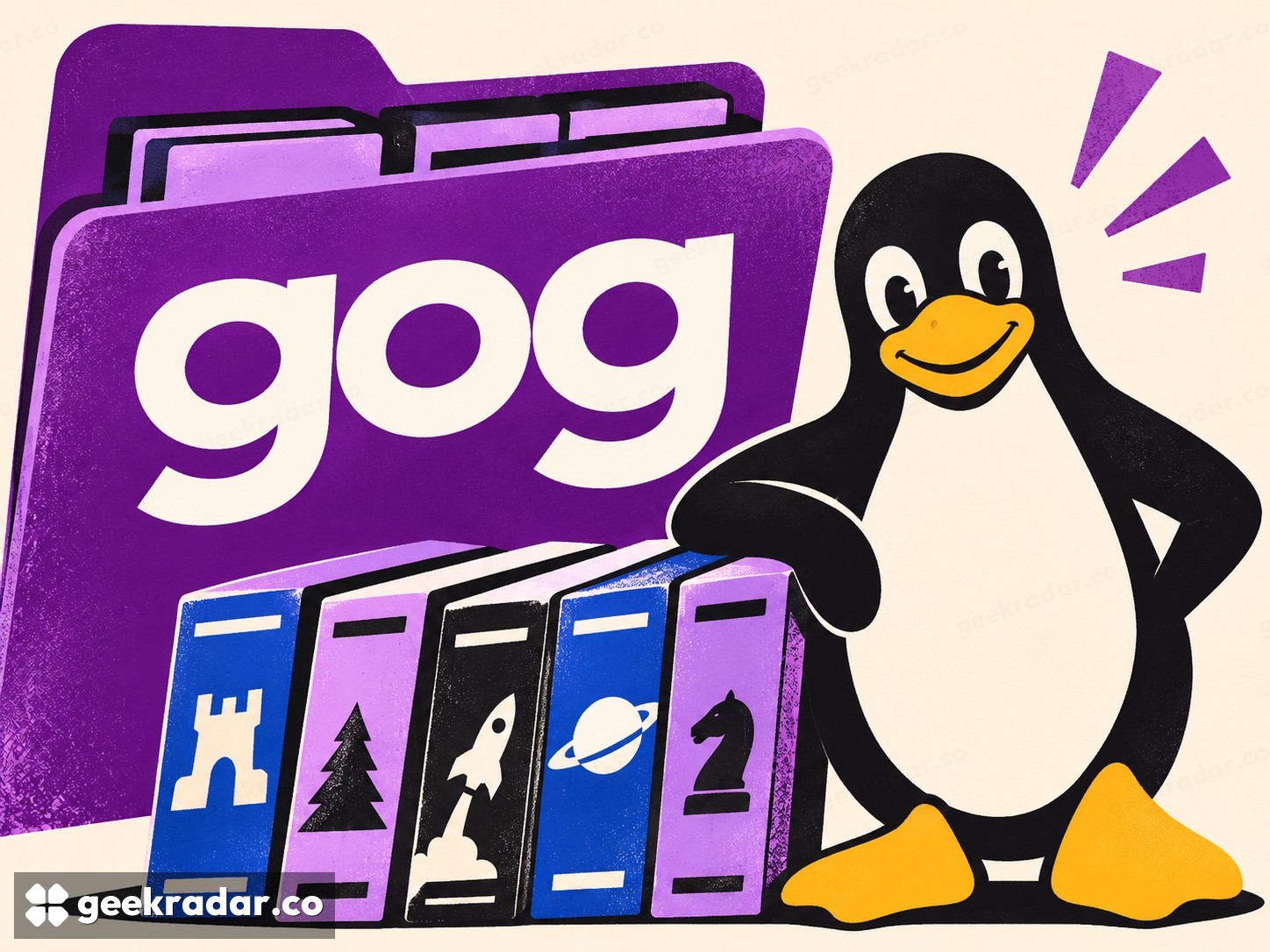
GOG has announced that Galaxy is coming to Linux. The news appears in the company’s anniversary showcase, alongside a wider refresh of its game service, and gives Linux users a future official route into a launcher long associated with Windows and Mac.
The word “future” matters. The current Galaxy download page still offers Windows and Mac installers. PC Gamer’s report on the showcase places the revamped client in 2027 and quotes GOG saying it will remain optional, with offline installers still available. This is a development announcement, not a Linux client that readers can install from the existing download page today.
A launcher and a compatible game are different layers
A native Linux version of Galaxy would solve one part of the experience: access to the client that organizes, downloads and manages a library. It would not automatically turn every game in that library into a native Linux release.
The difference is important when discussing a storefront’s support for an operating system. A launcher can run correctly while an individual game needs a compatibility layer, specific configuration or a version its publisher has not provided for that platform. The showcase does not certify the entire GOG catalogue for Linux by announcing the client.
Nor does putting several libraries into one interface remove the systems behind them. Galaxy’s existing FAQ says other gaming clients can still be required for platform-specific functions such as installation, automatic updates and cloud saves. A combined library view is a useful organizing tool, but it is not the same as merging ownership or service entitlements.
Optional software changes the cost of a bad update
The commitment to keep Galaxy optional is more than a matter of interface preference. Offline installers offer a route to the purchased files that does not require the launcher to be the permanent front door. An owner can value the convenience of automatic management while retaining a separate way to install a game.
Our coverage of GOG’s preservation ambitions explains why keeping files and keeping software runnable are related but distinct tasks. A local installer does not guarantee compatibility with every future operating system. It does remove one dependency from the act of obtaining and retaining the installation package.
Galaxy’s existing features, including cloud saves and version rollbacks where supported, address convenience around that package. The Linux announcement raises the prospect of bringing the official management layer to another operating system without making it a compulsory gate.
The release needs to earn its place
Linux players already have established ways to organize libraries and launch games. The value of an official client will therefore depend on the details of its implementation: a predictable download path, clear handling of updates and an honest account of which features work with which games. The announcement establishes intent, not performance against those requirements.
The most useful promise is also the least theatrical. GOG is preparing to offer Linux users another choice while saying the existing offline route will remain. If the client earns a place on the desktop, it should be because it makes the library easier to use—not because the library becomes harder to reach without it.