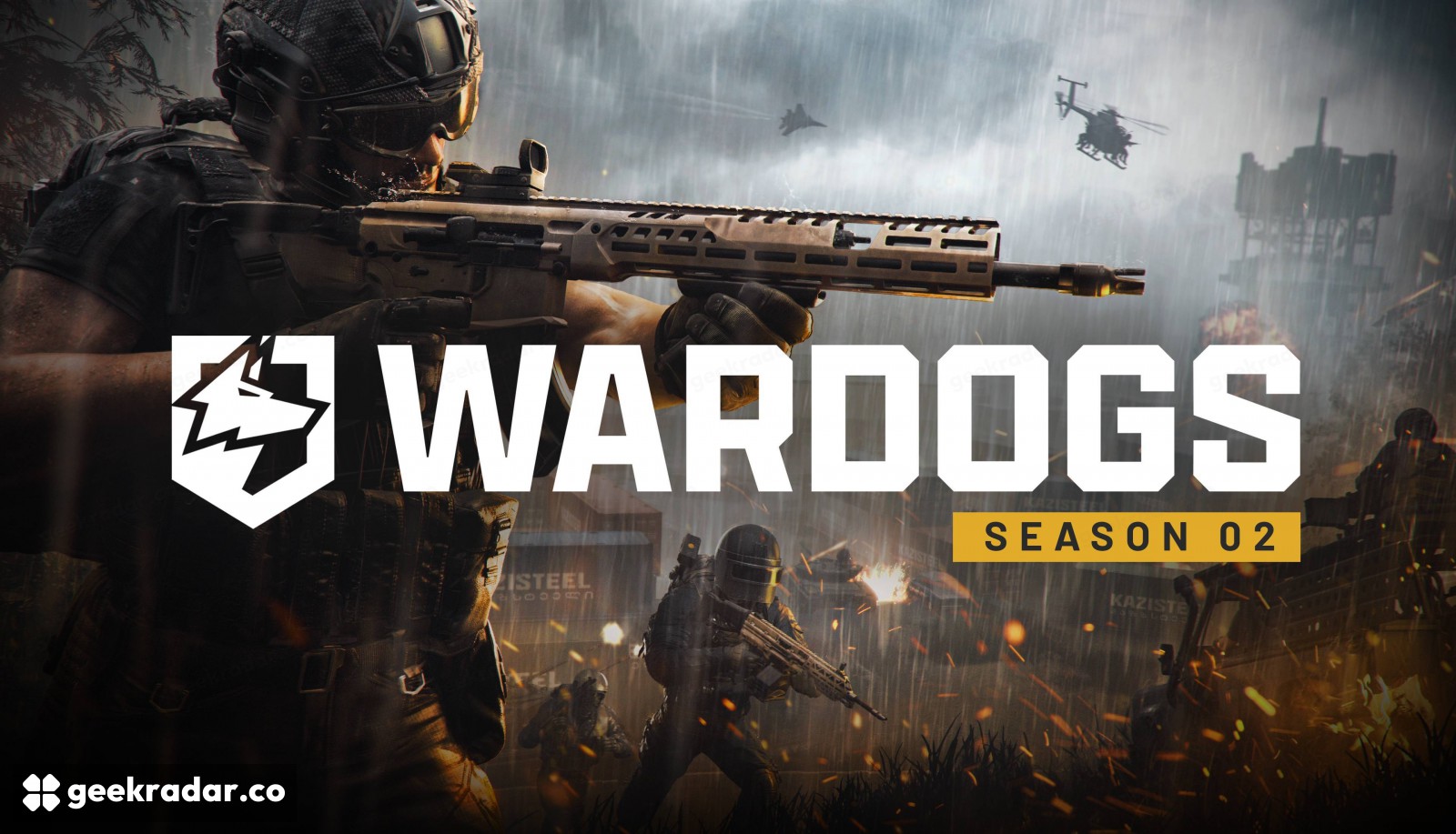
WARDOGS Season 2 changes the price of staying with the losing team
Vendor discounts and switching restrictions try to keep a comeback plausible. They support another attempt without awarding free points.
WARDOGS Season 2 is trying to make staying with a struggling team a more rational choice. Alongside its new weapons and vehicles, the update adds a discount for a team far behind second place and more friction for switching sides when a leader has pulled ahead. Those rules address the match's social economy: what players gain by helping, leaving or joining a winning side.
The Season 2 patch notes accompanied the October 15 Early Access release. This is an examination of those live rules, rather than a claim that the season started today. The additions are particularly relevant in a three-team game, where the losing side can lose participants as well as territory.
A discount changes the next decision
A team at least 40 points behind second place receives a 20% vendor discount. That does not award points or erase the deficit. It changes what the team can afford to do next, reducing the cost of equipment at the moment when repeated setbacks can make another attempt feel expensive.
The design has a clear limit: cheaper supplies are useful only if players can turn them into coordinated action. They cannot repair a poor route or make an isolated squad survive a stronger group. But a discount can keep a comeback attempt economically plausible, which is a different intervention from simply granting the trailing team more damage.
The season also gives Lonestar specific cash and XP incentives as a faction-balance experiment. Those should be distinguished from the losing-team discount, which applies to every team that meets its condition. Combining the two into a single permanent faction advantage would misdescribe both their scope and their duration.
Joining the winner now carries friction
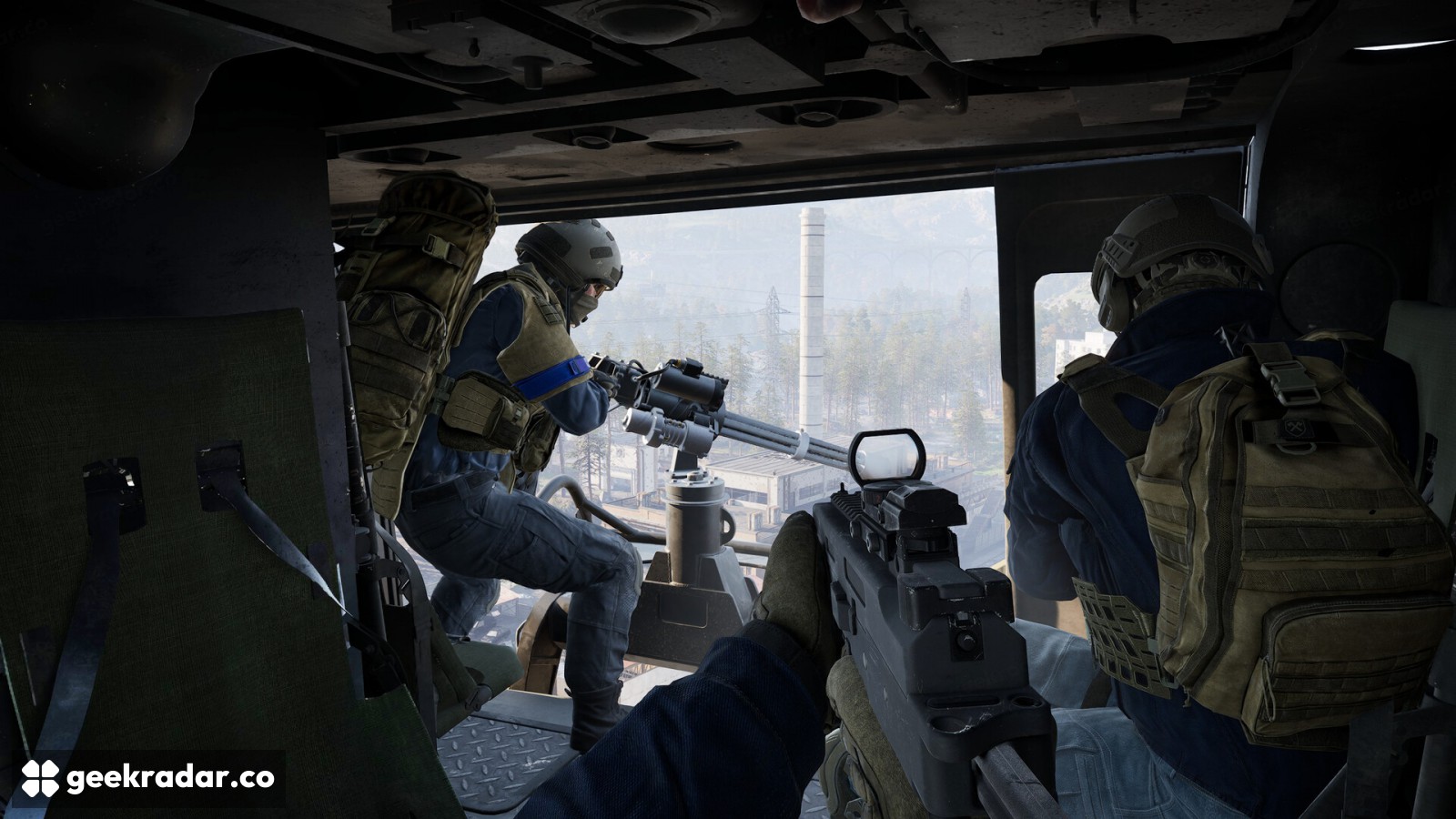
When a team is more than ten points ahead, joining or switching is subject to additional restrictions. There is a fifteen-minute cooldown before switching again, and a new arrival's map and spawn-vehicle access remain restricted until the player first reaches the control zone. The stated aim is to discourage abusive late switching while retaining the ability to join friends.
That distinction matters. A blanket prohibition would solve the problem by removing a social option entirely. These rules instead attach a cost and an initial commitment to the move. Whether the friction is enough to change behavior will require actual match evidence; the patch notes explain the mechanism, not its measured success.
Other additions support cooperation more directly. Squad leaders can publish a predefined intent visible to prospective members, while team-kill victims can forgive or punish. The important detail in the latter system is that leaving the safe zone after respawning without voting automatically forgives. Silence is therefore not an indefinitely pending decision.
WARDOGS' Steam page presents its large-scale combat, but these quieter rules determine whether people have a reason to sustain that combat when a match turns against them. A useful comeback system does not need to make losing comfortable. It needs to make the next organized attempt feel less wasteful than abandoning the people already trying.