SpaceX launches Starfall again. The important delivery is the return to Earth
Bandwagon-5 carried 32 payloads, including a second Starfall flight. Recovering a booster and returning an orbital experiment are different milestones.
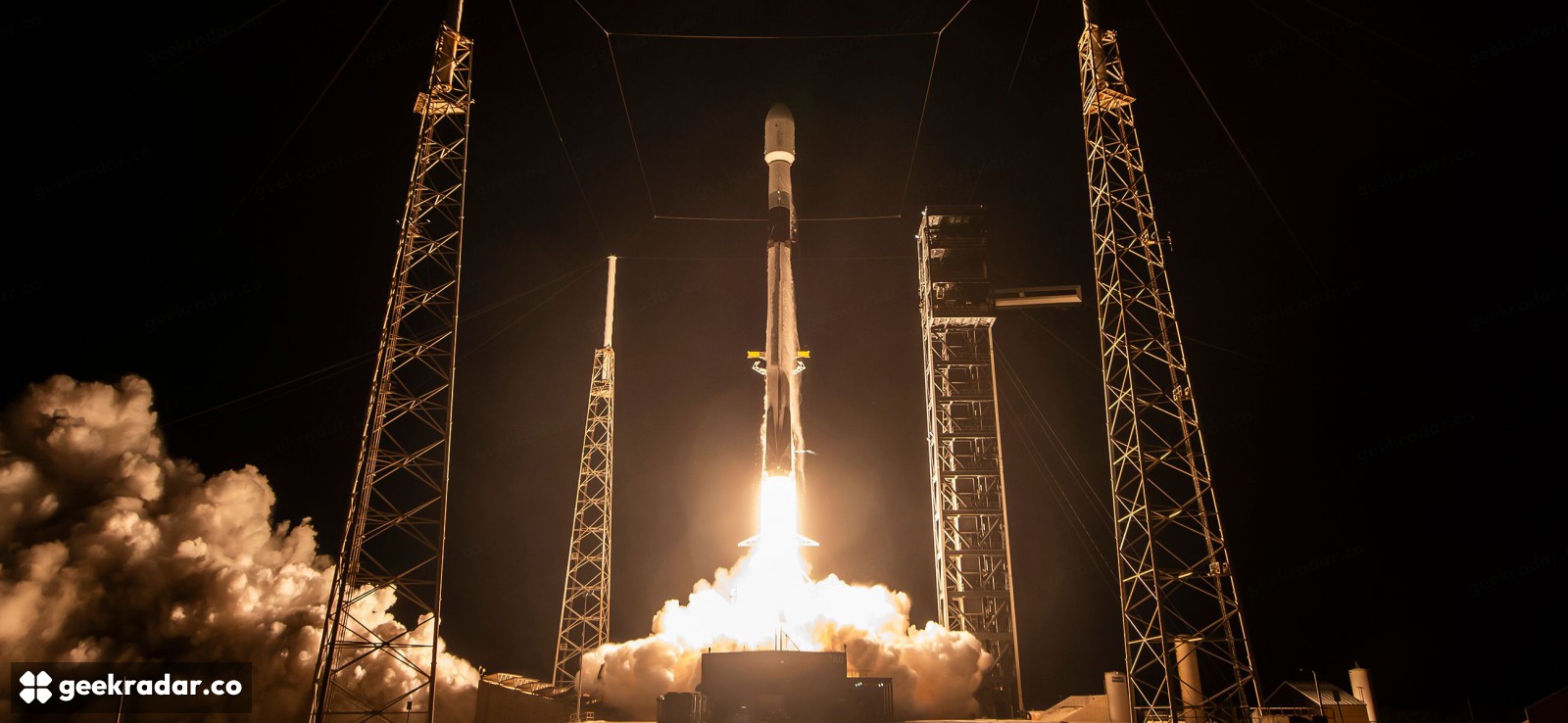
SpaceX has launched its Starfall return capsule for a second flight, putting the spacecraft aboard the Bandwagon-5 rideshare mission on October 20. The launch is another step toward a service whose most important delivery would happen in the opposite direction: bringing material from orbit back to Earth.
SpaceX’s mission account records Falcon 9’s liftoff from Cape Canaveral at 07:04 EDT, or 11:04 UTC, carrying 32 payloads. The first-stage booster subsequently landed on the Atlantic droneship A Shortfall of Gravitas. Those are launch and booster-recovery milestones; neither establishes that Starfall has completed its own return.
A rideshare with a return journey in mind
Bandwagon-5 carried a mixture of small satellites and reentry vehicles. Its published sequence placed Starfall’s deployment nearly three hours after liftoff, one part of a longer payload-release schedule. A mission timetable describes the intended sequence, so it should not be read as independent confirmation that every listed event happened at exactly that time.
Space.com’s reporting identifies this as Starfall’s second flight, following its June 23 debut. It also reports that Varda Space Industries’ W-Series 7 spacecraft was aboard the same launch. Returnable payloads are therefore more than a distant concept on this manifest, even though sharing a rocket does not make their missions or development programs equivalent.
The distinction is practical. A conventional satellite can deliver its principal output over a radio link: images, measurements or communications. A process that produces a physical sample needs another route. Data about an object may be useful, but they do not let a laboratory on Earth hold it, cut it open or put it through a different instrument.
That gives return vehicles a role that cannot be reduced to launch capacity. Getting an experiment into orbit and getting its material back are separate services, with separate points of failure.
Getting the payload home
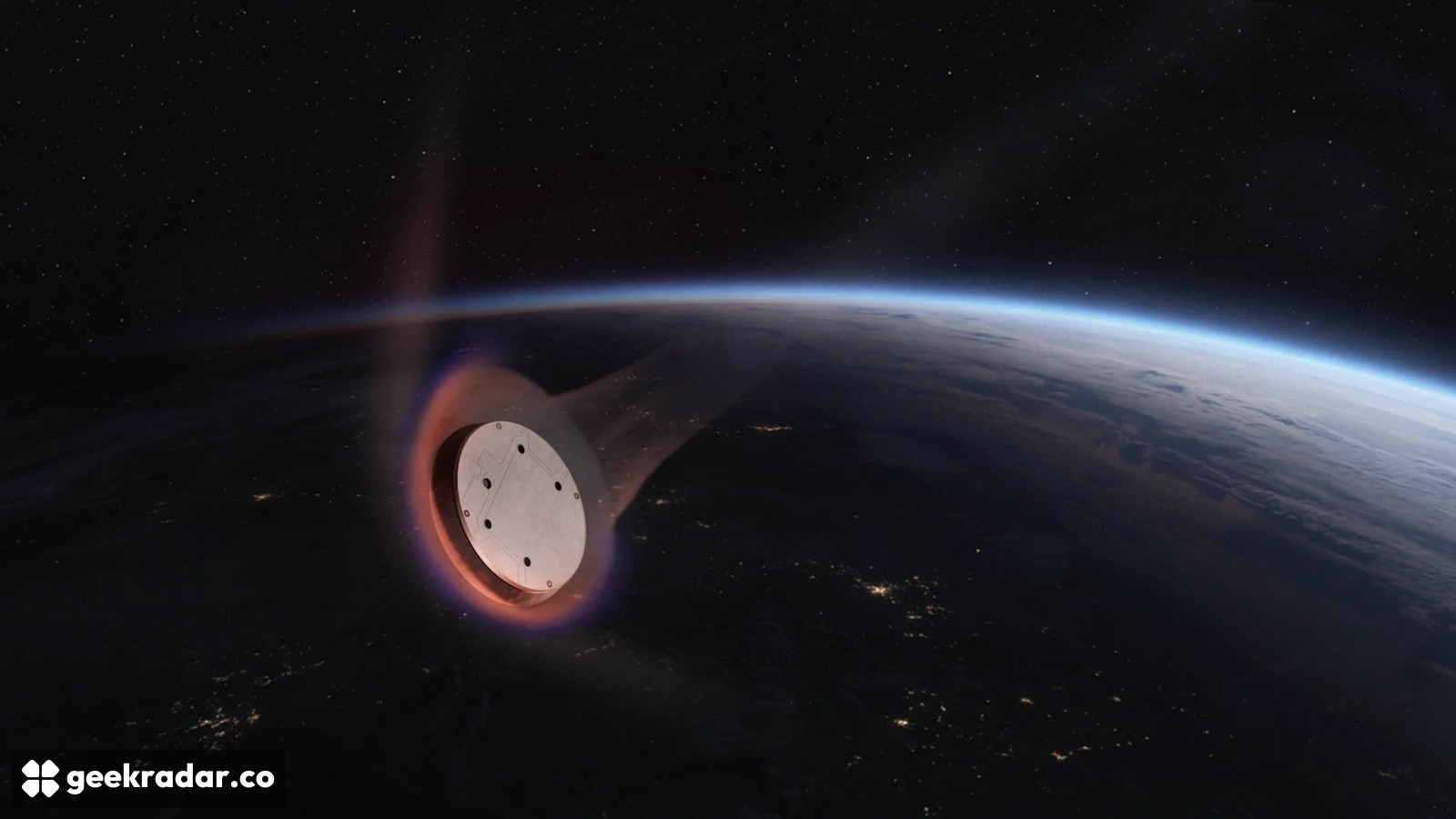
In its original Starfall announcement, SpaceX described a controlled-flight demonstration with a planned Pacific splashdown. It presented the project as a way to make microgravity research and manufacturing more accessible. That is the company’s objective, rather than evidence that a particular commercial price or production rate has already been achieved.
For a prospective customer, a successful launch is only one item on the checklist. A recovered sample must still answer the question that justified sending it to space. If the journey changes or damages the material, interpreting the result becomes harder. If recovery is unpredictable, planning the next experiment becomes harder too. Those are consequences of the service model, not claims about a failure on this flight.
GeekRadar’s coverage of NASA’s commercial communications demonstrations concerns another part of the same broader shift: building services around a mission, beyond the rocket that starts it.
Starfall’s second launch makes the return leg worth watching on its own terms. For an orbital experiment, the decisive handover may come long after the launch footage ends, when someone on the ground finally receives the thing they sent up to study.