NASA names the machinery that will turn SR-1 Freedom’s reactor heat into power
Sierra Lobo will supply the conversion system for the planned 2028 mission. The reactor and the electric spacecraft still have to prove themselves together.
NASA has assigned Sierra Lobo the power-conversion system for SR-1 Freedom, the planned spacecraft that would demonstrate nuclear electric propulsion beyond Earth orbit. The 20 October update concerns a crucial link in the machine: turning a reactor’s heat into the electricity that runs the spacecraft and its propulsion system.
The mission remains a development programme targeting late 2028. No reactor has started operating in deep space. What has become clearer is the division of work between the company supplying the conversion equipment and the US Department of Energy’s Idaho National Laboratory, which is developing the fission reactor.
A reactor is only the beginning
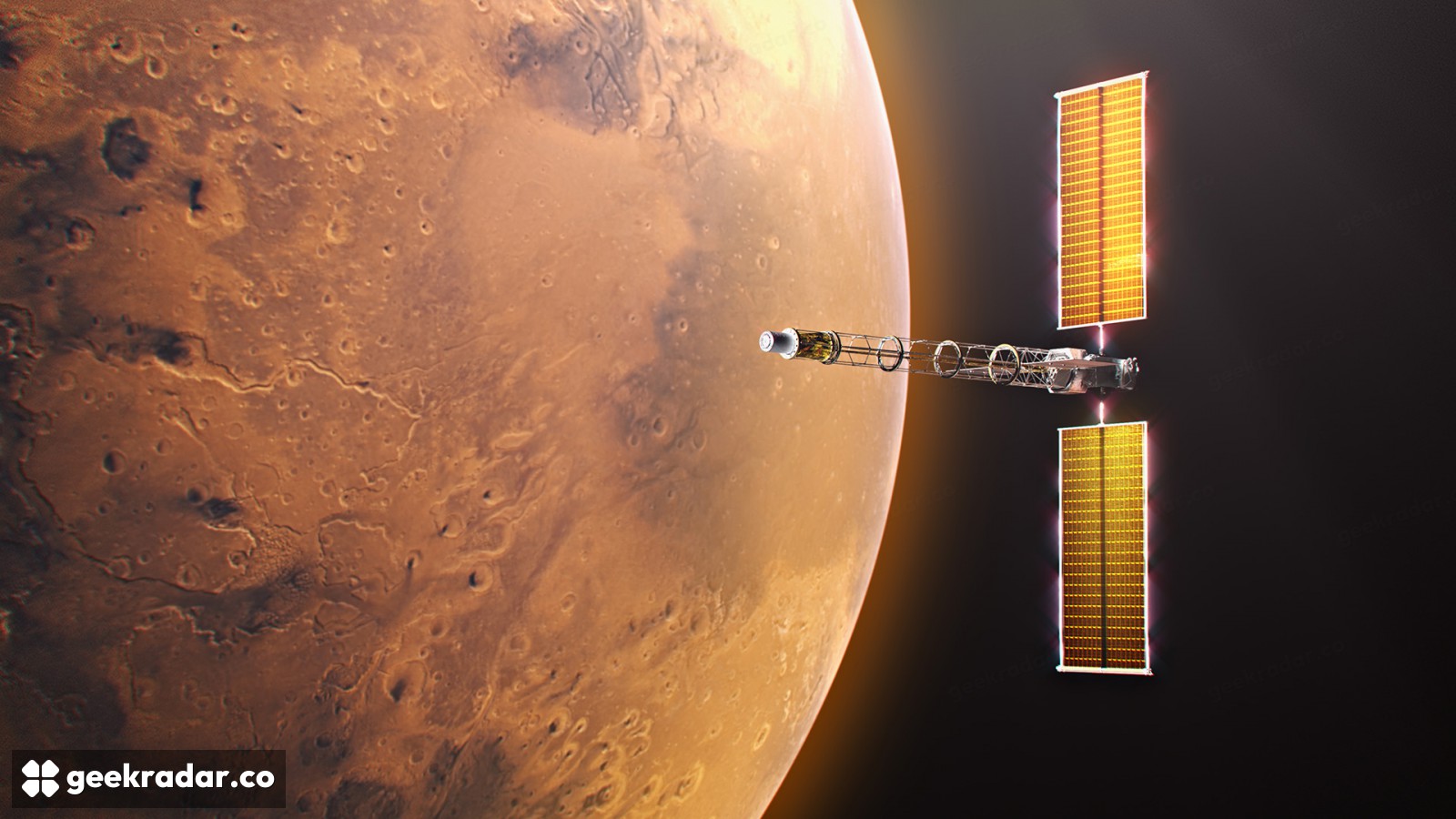
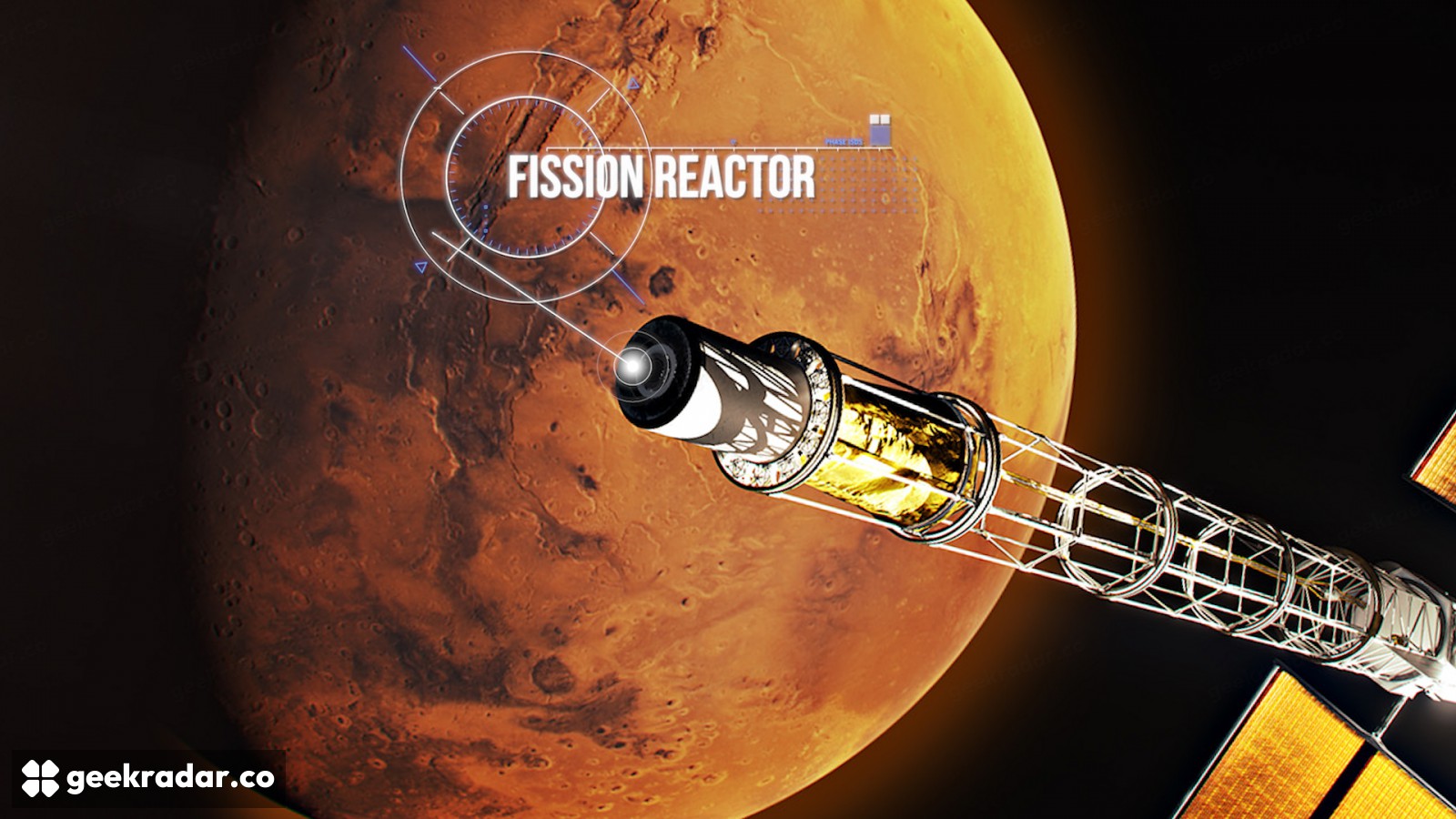
In NASA’s announcement, Sierra Lobo’s work uses a closed Brayton cycle. The reactor produces heat; the conversion system produces electrical power. Those components together form the nuclear power module, mounted at the end of the spacecraft’s long boom.
That makes the conversion equipment central to the propulsion demonstration rather than an ancillary supply. A reactor that generates useful heat has not, by that fact alone, supplied a working electric spacecraft. The thermal source, conversion machinery, electrical systems and propulsion must function as an integrated chain.
This is nuclear electric propulsion. The announcement describes a reactor supplying an electrical system, not a reactor directly heating propellant for a nuclear thermal engine. Keeping those architectures separate matters: the word “nuclear” alone says little about how a spacecraft accelerates or which subsystem an announced contract actually buys.
The hardware must work as a system
NASA is using the Space Flight Systems Development and Operations Contract III, awarded in 2024, for Sierra Lobo’s contribution. The work supports design, development, testing and operations at Glenn Research Center. The SR-1 Freedom mission overview places it within a broader attempt to demonstrate fission power for deep-space operations.
The immediate engineering consequence is a defined interface between two development efforts. Reactor output must become usable electrical input for the spacecraft. That interface is where programme organisation becomes a physical requirement: teams can build excellent individual components and still need to prove that their combination behaves as intended.
NASA says the contract actions are intended to reduce technical risk and maintain the launch timetable. That is the agency’s programme assessment, not a completed qualification result. The announcement does not provide a newly demonstrated end-to-end performance figure, a flight-test outcome or a revised journey time to Mars.
Mars is the destination, 2028 is still a target
SR-1 Freedom is intended to deliver SkyFall, a science mission comprising three Mars helicopters developed from the Ingenuity approach. NASA describes their goals as gathering scientific data, demonstrating exploration zones and identifying potential water sources. Those planned operations should not be confused with results already obtained on Mars.
The agency also says the reactor will remain inactive until the spacecraft has left Earth orbit. Its described development process includes interagency safety reviews and nuclear-safety oversight. This operational condition is more informative than either treating the launch as routine or assuming that a reactor must be running from liftoff.
For readers following space exploration, the significance is the connection between an ambitious destination and a specific piece of machinery. The latest step gives SR-1 a supplier for the conversion system that makes reactor heat useful. The eventual demonstration will have to prove that the whole chain can keep working when repair is no longer an option.
Images: NASA/Alberto Bertolin. Mission concepts show the planned spacecraft and reactor arrangement.