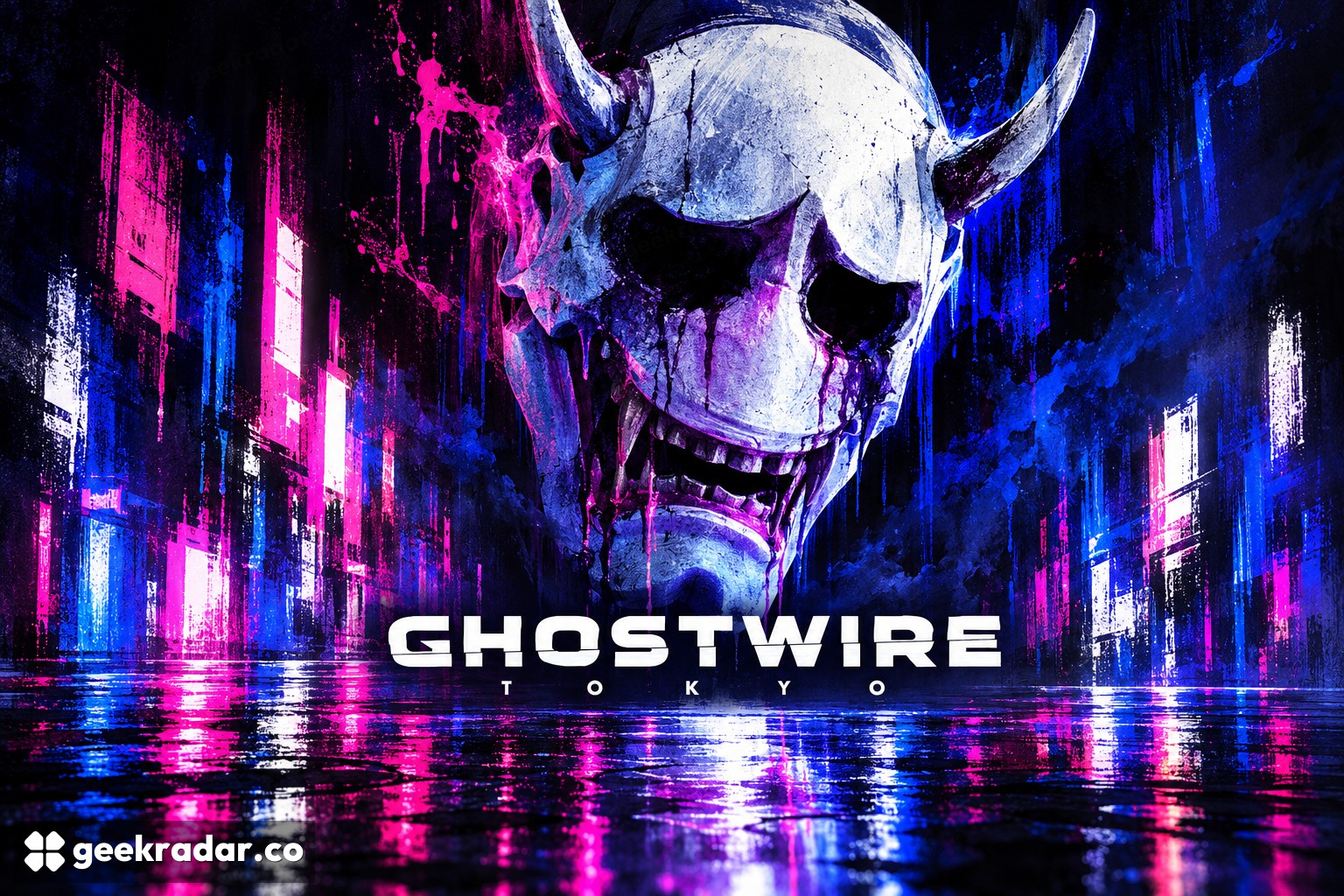
Ghostwire: Tokyo on GOG removes Bethesda.net—and one obstacle to preservation
The maintained PC edition removes an account connection and adds documented compatibility checks. Offline installers and ongoing support solve different problems.
The most useful change in Ghostwire: Tokyo's new GOG edition happens before the supernatural action begins: there is no Bethesda.net sign-in to negotiate. GOG's October 15 preservation changelog says the integration and login prompt have been removed, with the former login bonus awarded automatically on first launch. That is a small interface change with a larger consequence for keeping a single-player game usable.
This is a new release of an existing game, originally launched in March 2022. Its significance lies in the software surrounding the game. The GOG edition's changelog also records Windows 10 and Windows 11 compatibility checks and stability validation. Those are specific maintenance claims, rather than a promise that every future computer will run it without intervention.
One fewer service between purchase and play
An account connection creates another dependency outside the files installed on a computer. The user may still have the executable and all its assets while an authentication service, forgotten password or changed account policy obstructs the experience. Removing that connection simplifies the chain that has to keep working.
For this edition, GOG supplies a DRM-free offline installer. Its Galaxy client remains an optional way to manage the game and connected features such as cloud saves. Those two routes should not be conflated: downloading an installer while the shop is accessible and retaining it locally offers a different kind of control from leaving the only usable copy in a library application.
Consider a reinstall after replacing a computer. A retained installer can remove the need to fetch the same game again. It cannot, by itself, guarantee that a future graphics driver or operating system behaves like today's version. That is where preservation becomes continuing engineering work rather than merely putting a downloadable file on a server.
What the preservation badge commits GOG to
GOG describes its Preservation Program as an undertaking to maintain supported games on modern systems, including when their original developers no longer support them. The program also includes technical support. For a buyer, the important distinction is an identified maintainer taking responsibility for compatibility, rather than the age of the game or the nostalgia attached to it.
That commitment still needs to be judged through individual fixes. Here, the removal of Bethesda.net and the documented operating-system checks offer concrete evidence of work performed. A badge without a change history would tell readers considerably less. The changelog gives owners something to compare against a problem they encounter and a basis for asking whether the maintained edition addresses it.
There are limits to what this release establishes. It does not announce matching changes to console versions or other PC storefront editions. Buying a differently packaged copy also does not automatically move saves, achievements or every connected feature across services. Those are separate compatibility questions, not benefits that follow from the words DRM-free.
Keeping a game means keeping the means to install it
The practical benefit is strongest for someone who wants to retain an installable copy rather than rely entirely on a launcher library. That requires a little participation: save the installer, keep its component files together and include it in a backup that can actually be restored. A local copy on a failing drive is no more durable than any other unprotected file.
This is the kind of distinction that belongs at the center of game-preservation coverage. Ownership language can become abstract very quickly; an account prompt removed from a shipped build is an observable change. GOG has reduced one dependency and accepted responsibility for another. For a game people may want to revisit years from now, that is more meaningful than simply returning it to the front page of a shop.