Apple’s October 28 appointment is confirmed. The touchscreen Mac is still a report
The Los Angeles media experience starts at 18:00 in Italy. An invitation does not establish a livestream, final specifications or local delivery dates.
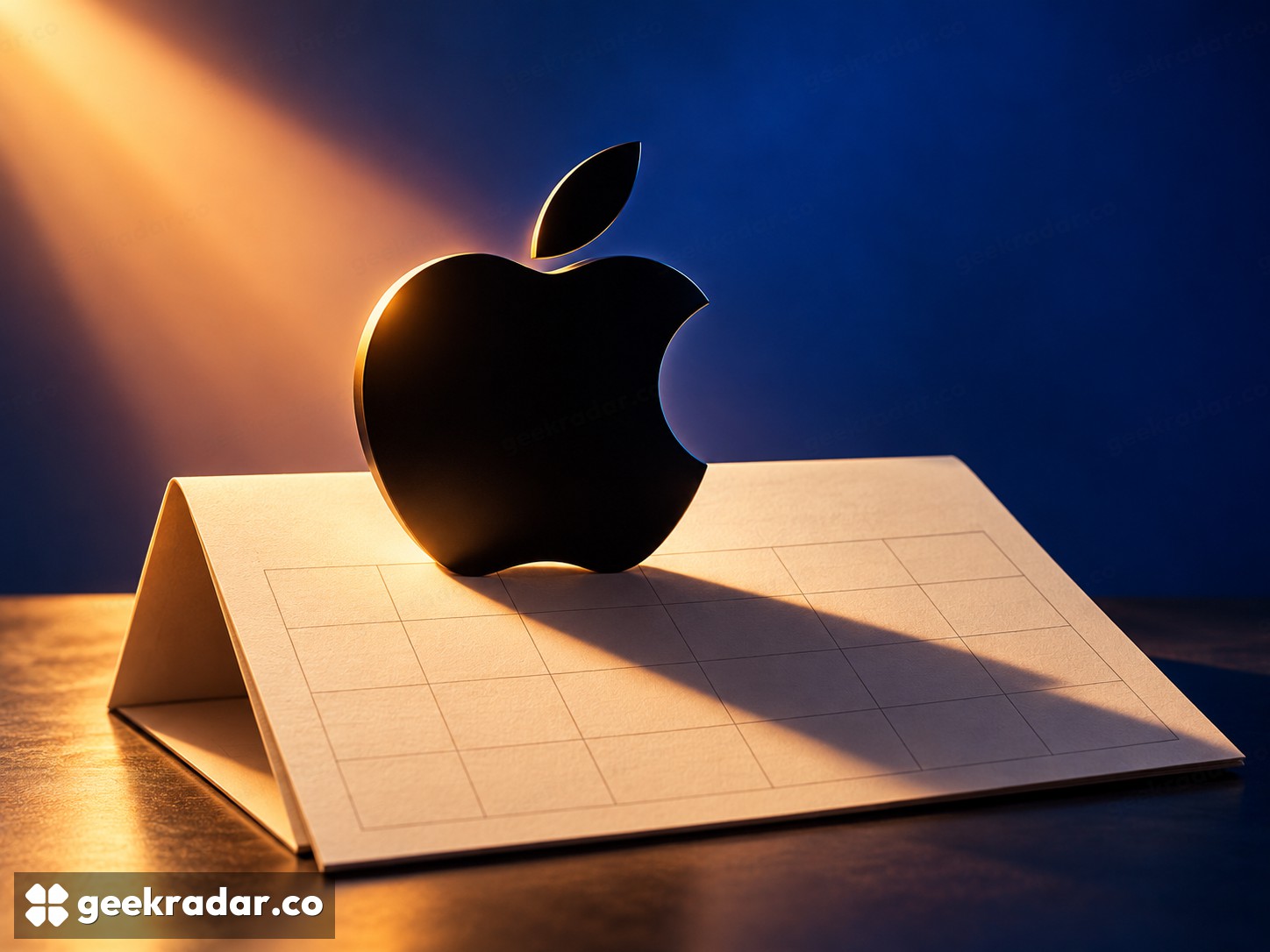
Apple has invited media to a 28 October product experience in Los Angeles, adding another date to an already busy hardware month. The invitation points to a near-term announcement; it does not confirm every specification circulating around a touchscreen MacBook Pro or refreshed iPad mini.
The Verge’s report from the invitation gives a start time of 1pm Eastern. MacRumors reports the same Los Angeles appointment at 10am Pacific and reproduces Greg Joswiak’s short teaser. For Italy, that corresponds to 18:00 on 28 October: Europe changes its clocks before the United States this year.
An appointment is not a livestream
The format matters. MacRumors describes an in-person experience for media, rather than confirming a conventional streamed keynote. Readers should not assume there will be a live video simply because Apple has issued an invitation. Apple’s events page remains the appropriate place to check any official viewing announcement.
The practical difference is how information reaches the public. A streamed presentation supplies a common sequence of announcements. A media experience may instead coincide with product pages, press releases and separate first impressions. Until Apple specifies the format, a start time is an appointment to check the news, not a guaranteed video link.
Separate the expected device from the existing baseline
Reports point toward a MacBook Pro with an OLED touchscreen, alongside other Mac and iPad changes. These remain reported expectations. They are not released specifications, and they do not establish a price, battery-life result or Italian delivery date.
The existing MacBook Pro specifications provide a more useful starting point for comparison than an imagined product sheet. Apple describes Liquid Retina XDR displays, adaptive refresh rates and different chip configurations. Any new model would need to be assessed against the exact machine it replaces, not against a generic idea of an “old Mac.”
A display change and a change in input method also answer different questions. Display technology affects how an image is produced. Touch input affects how a person interacts with software. Even if both appear together, evidence of one does not prove that applications have been redesigned to make the other useful.
That is why a specification list alone would not settle the significance of a touchscreen laptop. A small control designed for a precise pointer and a larger touch target create different demands. The meaningful evidence would be the actual interface and supported interactions Apple shows, rather than the mere presence of a touch sensor.
Our earlier look at M5 Pro and M5 Max examined the local-AI pitch; a new input method would need its own software argument.
A useful pause before buying
For someone whose current computer still meets their needs, an announced appointment offers a short, concrete point at which to reassess the lineup. For someone replacing a failed work machine, waiting also has a cost. Neither case needs a universal instruction to postpone every purchase.
The Apple archive already shows why the whole device matters alongside the chip. On 28 October, the useful comparison will be what changes in the work a person can actually do, at the local price and availability Apple announces. Until then, a calendar entry is solid information; a fully specified computer made from rumors is not.